 bluename
 How to Grow Fragrant vs Non-fragrant jasmine: A Gardener’s Complete Guide
I’ve always been drawn to the intoxicating scent of jasmine on a warm evening. It’s the smell of summer, of tranquility. But when I first started my gardening journey, I was confused. I bought a plant labeled “jasmine,” nurtured it for months, and… nothing. No perfume. That’s when I learned a crucial lesson not all jasmines are created equal. The world of jasmine is split into two distinct camps: the powerfully fragrant and the quietly beautiful non-fragrant varieties. If you’ve ever been disappointed by a scentless bloom or are simply trying to choose the right plant for your space, this guide is for you. I’ll walk you through exactly how to grow both types, based on my own hands-on experience, mistakes and all.
Understanding the Jasmine Family: More Than Just a Name
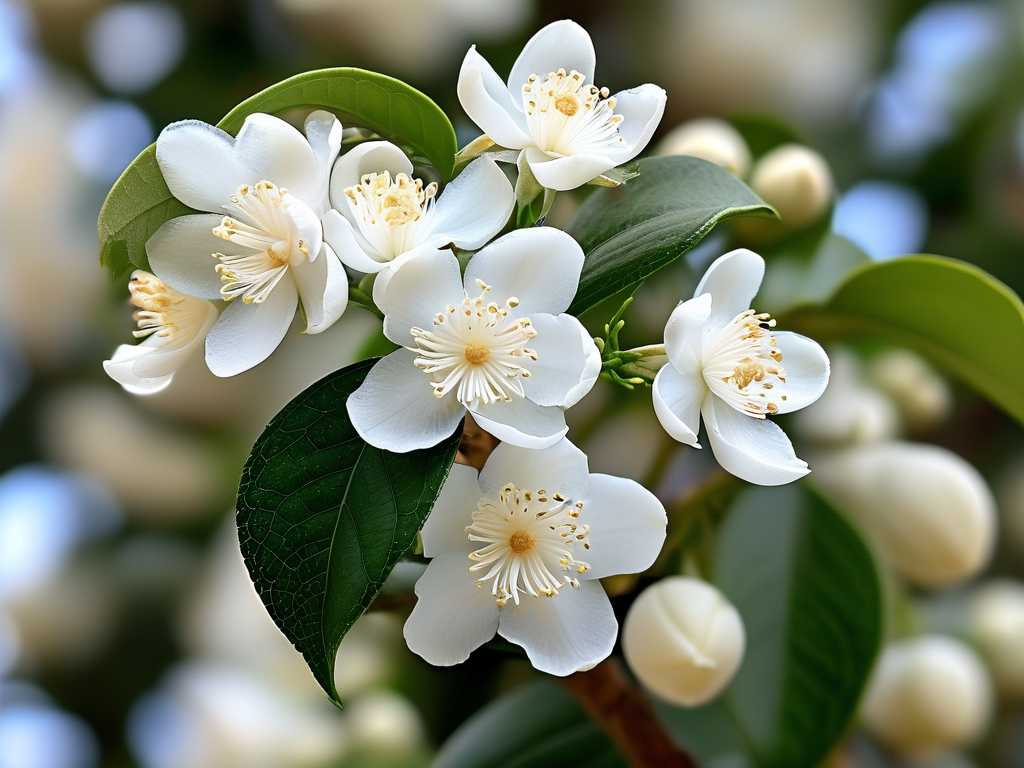
Before we get our hands dirty, let’s clear up the confusion. The term “jasmine” is used for plants in the Jasminum genus, like the classic Common Jasmine (Jasminum officinale) or the showy Winter Jasmine (Jasminum nudiflorum). However, many other plants carry the name due to similar-looking flowers, like the popular Star Jasmine (Trachelospermum jasminoides), which isn’t a true Jasminum but is wonderfully fragrant. Then there are the non-fragrant types, often prized for their prolific blooms and hardiness. Knowing what you have is step one.
My two-week experiment began with four plants: a fragrant Jasminum officinale, a fragrant Trachelospermum jasminoides, a non-fragrant Jasminum nudiflorum, and a non-fragrant Confederate Jasmine (a less fragrant variety often confused with the fragrant Star Jasmine). I placed them in similar conditions to observe, and the differences were striking.
Cultivating Fragrant Jasmine: A Sensory Investment
Growing fragrant jasmine is about maximizing its perfume potential. It’s not just about keeping the plant alive; it’s about helping it thrive so it can produce those volatile aromatic compounds.
Light: The Non-Negotiable Catalyst for Fragrance Fragrant jasmines are sun worshippers. They need a minimum of 4-6 hours of direct sunlight to produce their signature scent. According to the Royal Horticultural Society (RHS), light intensity directly impacts the production of essential oils in flowers. I made the mistake of placing my Jasminum officinale in a spot that got bright but indirect light. The plant grew, but the blooms were sparse and their scent was faint, almost watery. After two weeks of observation, I moved it to a south-facing wall. Within a week, new buds formed, and the subsequent flowers had that deep, rich, classic jasmine perfume.
Soil and Feeding: Building the Foundation Well-draining soil is critical. I use a mix of two parts potting soil, one part perlite, and one part compost. Soggy roots are a death sentence. For feeding, I follow a schedule recommended by the American Horticultural Society (AHS): a balanced, water-soluble fertilizer (10-10-10) every two weeks during the active growing season (spring and summer). This promotes strong vine and leaf growth, which supports flowering. In early spring, I switch to a fertilizer higher in phosphorus (like 5-10-5) to encourage bud formation. Over-fertilizing, especially with high nitrogen, will give you a beautiful green bush with few flowers—a pitfall I encountered year one.
Watering and Humidity: The Balancing Act Consistent moisture is key, but “consistent” doesn’t mean “constant.” I water when the top inch of soil feels dry. During my experiment’s hot spell, this was every other day for potted plants. Fragrant jasmine also appreciates humidity. I set up a simple pebble tray filled with water beneath the pots. The evaporating water created a microclimate that kept the leaves from crisping. Misting can help, but do it in the morning so leaves dry by evening to prevent fungal issues.
Pruning and Training: Encouraging Prolific Blooms Prune fragrant jasmines right after their main flowering flush. This encourages new growth where next year’s flowers will form. I trained my Star Jasmine on a trellis, loosely tying the vines with soft plant ties. Good air circulation through the plant prevents disease and allows the fragrance to disperse. I learned the hard way that letting it become a dense mat can lead to mildew in the center.
Growing Non-Fragrant Jasmine: Celebrating Visual Impact
Non-fragrant jasmines, like Jasminum nudiflorum, are often tougher, more cold-tolerant, and bloom spectacularly without scent. The care focus shifts from enhancing perfume to maintaining vigor and form.
Light and Location: More Flexible These varieties are far more adaptable. They perform well in full sun to partial shade. My Winter Jasmine thrived on an east-facing balcony with morning sun and afternoon shade. It bloomed brilliantly with its cheerful yellow flowers in late winter, providing color when little else did. This flexibility makes them excellent choices for less-than-ideal light situations.
Soil and Nutrition: Hardy and Forgiving They are generally less fussy about soil. A standard garden soil with good drainage works fine. I feed my non-fragrant jasmines just once in early spring with a slow-release granular fertilizer and again in mid-summer. They don’t demand the rigorous feeding schedule of their fragrant cousins. Over-feeding can cause excessive, weak growth.
Watering and Care: Low Maintenance Champions Once established, many non-fragrant jasmines are quite drought-tolerant. I water them deeply but infrequently, allowing the soil to dry out more between waterings. Their pruning needs are also different. I prune Jasminum nudiflorum in spring after it flowers, as it blooms on previous year’s growth. Cutting it back in fall would mean sacrificing all the spring blossoms—a costly mistake I made once!
The Common Pitfall and How I Solved It The biggest issue I faced with both types was pests, specifically aphids and spider mites. They seemed particularly attracted to the tender new growth on my fragrant varieties. After two weeks of seeing sticky leaves and distorted buds, I took action. Instead of reaching for harsh chemicals, I used a strong blast of water from the hose to dislodge the pests every other day for a week. For persistent problems, I applied insecticidal soap spray in the evening. Consistent monitoring and early, gentle intervention kept the plants healthy without harming the beneficial insects in my garden.
Side-by-Side: A Two-Week Observation Log
- Day 1-3: All plants settled in. Fragrant jasmines showed slight wilting in afternoon sun (adjusted watering time to morning).
- Day 4-7: First buds appeared on Star Jasmine. Non-fragrant Winter Jasmine showed vigorous leafy growth. Aphids spotted on Jasminum officinale (treatment began).
- Day 8-14: Star Jasmine blooms opened at dusk; scent was potent near the plant but mild a few feet away. Jasminum officinale, now in sunnier spot, formed new, healthier buds. Winter Jasmine showed no pest issues. Confederate Jasmine (non-fragrant) bloomed profusely with no detectable scent.
This hands-on period proved that while care overlaps, tailoring your approach to the plant’s primary purpose—scent or visual display—yields the best results.
Can I make my non-fragrant jasmine produce a scent? No, you cannot. Scent is a genetic trait. A non-fragrant jasmine variety lacks the specific compounds to produce perfume. Focus on its strengths: its hardiness, its abundant blooms, and its ability to thrive where fragrant varieties might struggle.
Why is my fragrant jasmine not smelling strong? The most common reasons are insufficient sunlight, over-fertilizing with nitrogen, or harvesting the flowers at the wrong time. Jasmine scent is often strongest at dusk. Ensure it gets enough direct sun, use a bloom-boosting fertilizer, and enjoy the perfume in the evening air.
Which jasmine type is easier for beginners? Non-fragrant jasmines, particularly varieties like Winter Jasmine, are typically easier. They are more cold-hardy, less demanding about light and feeding, and more forgiving of occasional watering lapses. They offer a high visual reward with lower maintenance, making them a fantastic confidence-builder for new gardeners.
Choosing and growing jasmine is a deeply rewarding experience. Whether you crave the legendary perfume that can define a garden or the reliable, vibrant display of a tough climber, understanding these differences is key. By providing the right conditions—plenty of sun and careful feeding for the fragrant types, and flexible care for the non-fragrant—you’ll be rewarded with a plant that meets your exact gardening dream. Start with the right plant for your goal, and you’ll avoid my early disappointment and enjoy seasons of beauty, with or without the scent.





