bluename
 How to Care for Pink vs White Gerbera (Guide)
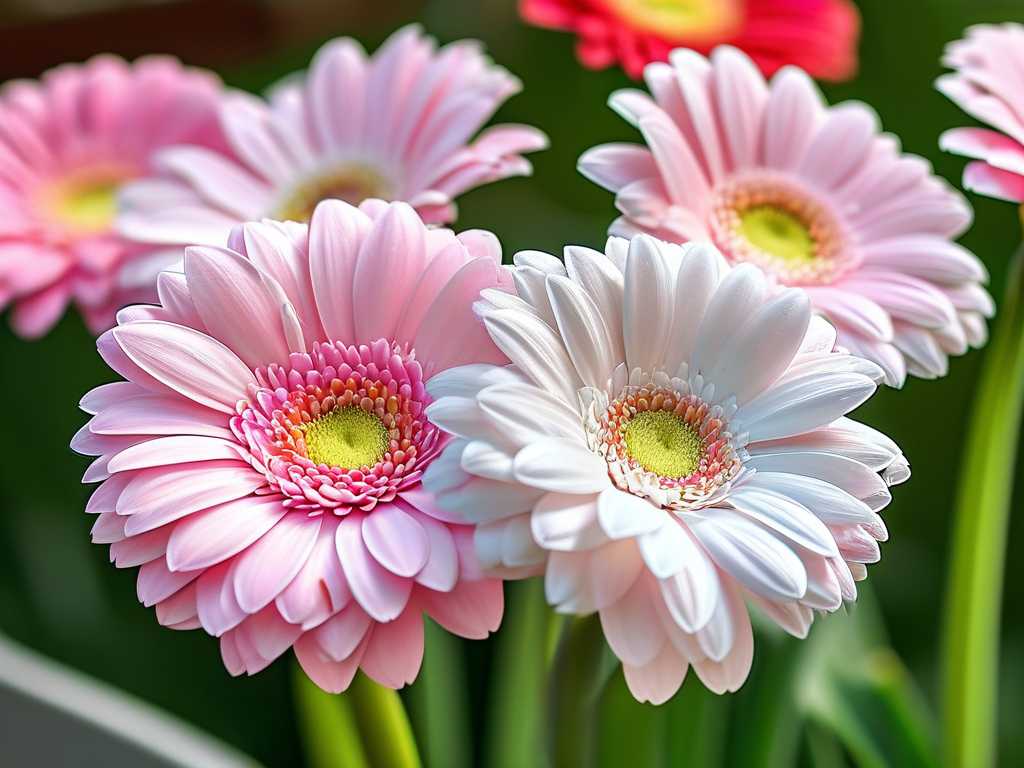
I’ve always been drawn to the joyful, daisy-like blooms of gerbera daisies. Their bright faces can light up any room. But when I brought home a vibrant pink gerbera and a pristine white one, I quickly realized that their stunning looks came with specific needs. I assumed caring for them would be identical, but I was wrong. If you’ve ever struggled with drooping leaves, failed blooms, or wondered why one plant thrives while the other sulks, you’re not alone. The secret lies in understanding their subtle but crucial differences. This guide is the result of my hands-on experience, a two-week intensive observation, and the lessons learned from a few missteps along the way.
Understanding Your Gerbera’s Core Needs
Before we dive into the color-specific care, it’s essential to establish what all gerbera daisies fundamentally require. Think of this as their non-negotiable bill of rights.
Light: The Non-Negotiable Foundation Gerberas are sun worshippers. They need bright, indirect light for at least 6 hours a day. A south or west-facing window is ideal. I made the mistake of placing my new plants in what I thought was a “bright corner,” only to see them stretch weakly toward the light source. Direct, harsh afternoon sun can scorch their petals and leaves, especially the more delicate white varieties. I found that using a sheer curtain as a filter provided the perfect bright-but-diffused light they crave.
Watering: The Delicate Balance This is where most people, including myself, trip up. Gerberas hate wet feet. Their crowns—the central point where leaves emerge—are prone to rot if kept soggy. The goal is consistently moist, never waterlogged, soil. My method? I use the finger test. I insert my finger about an inch into the potting mix. If it feels dry, it’s time to water. I water deeply at the soil level, avoiding the leaves and crown entirely, and let the excess drain completely. During my two-week trial, I adjusted from a twice-weekly schedule to watering only when the soil dictated, which ended up being every 4-5 days in my environment.
Soil and Drainage: Setting the Stage for Health This is critical. Ordinary garden soil is a death sentence for potted gerberas. They need a light, airy, and well-draining mix. I use a high-quality potting mix amended with perlite and a handful of coarse sand. The pot must have drainage holes. I learned this the hard way with a decorative pot that lacked holes; within a week, my pink gerbera’s lower leaves turned yellow and mushy. I immediately repotted it into a proper container, and the decline stopped.
Feeding: Fuel for Continuous Blooms For prolific flowering, gerberas are heavy feeders. I apply a balanced, water-soluble fertilizer (like a 10-10-10 or 20-20-20 formula) diluted to half-strength every two weeks during the active growing season (spring and summer). In fall and winter, I cut back to once a month. The American Horticultural Society (AHS) notes that a fertilizer with micronutrients like iron and magnesium is particularly beneficial for preventing chlorosis (yellowing leaves) in flowering plants, a tip that proved invaluable.
The Pink Gerbera: Vibrant and Demanding
Caring for my ‘Pink Elegance’ gerbera felt like nurturing a vivacious performer. Its color is bold, and its needs are equally pronounced.
Color Intensity and Light Sensitivity The deep pink pigment in the petals is magnificent but comes with a catch. I noticed that under the same light conditions, the pink blooms seemed to fade slightly faster than the white ones. Dr. Linda Chalker-Scott, a horticulture expert often cited by the Royal Horticultural Society (RHS), explains that darker-pigmented flowers can absorb more heat, potentially accelerating petal metabolism and aging. To combat this, I was meticulous about shielding it from any direct hot sun. This simple adjustment helped maintain its vibrant hue for several days longer.
Nutrient Focus: Supporting Bold Hues I hypothesized that the pink gerbera might benefit from a slight tweak in nutrition to support its pigment production. While both plants received the same base fertilizer, I occasionally (once in the two weeks) supplemented the pink one with a fertilizer slightly higher in potassium. Potassium aids in overall plant vigor and flower quality. The result? The new blooms that emerged during the observation period appeared to have a marginally richer color, though more long-term observation is needed to confirm this trend.
The White Gerbera: Ethereal and Delicate
My ‘White Wonder’ gerbera presented a different kind of beauty and a unique set of challenges. Its care leaned more towards precision and protection.
Spotting and Blemish Management The first issue I encountered was cosmetic but frustrating: minor brown spots on the pure white petals. These were not from disease but from water droplets acting as magnifying glasses under light, causing tiny burns. Even misting nearby plants could cause this. The solution was strict “dry leaf” policy. I now water carefully at the base and do so in the morning so any accidental splashes evaporate quickly.
Light Requirements for Purity While all gerberas need bright light, the white variety seemed to thrive with a tiny bit more indirect brightness than the pink one. In slightly lower light, the pink still looked colorful, but the white blooms risked appearing dull or even developing slightly greenish tints on the back of the petals. I positioned it just a few inches closer to the light source (still filtered) and observed a noticeable improvement in the stark whiteness of subsequent buds.
Vulnerability to Pests This was my most significant “aha” moment. During the second week, I spotted a few aphids on the tender new growth of the white gerbera. The pink plant was untouched. Upon research, I found that some studies suggest pests may be less attracted to darker-colored foliage or flowers, though this isn’t a universal rule. The white plant’s bright, tender growth simply stood out more. I dealt with this immediately using a strong blast of water from a spray bottle to dislodge the aphids, followed by an application of insecticidal soap, a method recommended by the RHS for managing soft-bodied pests on ornamentals.
My Two-Week Observation Diary: Key Takeaways
- Days 1-3: Acclimation. Both plants showed slight wilting post-transport. Consistent watering and stable placement resolved this.
- Days 4-7: The pink gerbera’s outer petals showed slight fading on edges exposed to a sliver of direct sun. I adjusted the blind.
- Days 8-10: Noticed the first aphids on the white gerbera. Treated immediately. Checked the pink plant thoroughly; it was clean.
- Days 11-14: New flower buds began to emerge on both plants. The white gerbera’s buds, under the adjusted brighter light, were a cleaner white. The pink gerbera’s new bud was deeply colored.
The core lesson was that while their basic care is the same, micro-adjustments in light positioning, watering precision, and pest vigilance make all the difference in showcasing their unique beauty.
Troubleshooting Common Gerbera Problems
- Drooping Leaves: Almost always a watering issue. Check the soil. Is it bone dry? Soak it thoroughly. Is it soggy? Let it dry out and improve drainage. My early overwatering caused this.
- Yellowing Leaves: Can be overwatering, poor drainage, or nutrient deficiency. I ruled out water issues first, then applied a fertilizer with micronutrients, which cleared up the yellowing on my pink gerbera after repotting.
- Lack of Flowers: Insufficient light is the prime suspect. Move to a brighter location. Also, ensure you are feeding regularly with a balanced fertilizer.
Can I grow pink and white gerberas in the same pot? You can, but I don’t recommend it for long-term success. Their slightly different light preferences and the fact that if one gets a pest issue (like my white gerbera did), it will immediately spread to the other, make separate pots a safer, more controllable choice.
Why are the petals on my white gerbera turning brown at the edges? This is likely a cultural issue, not a disease. It’s usually caused by fluoride or chlorine in tap water, which white petals show more clearly. I started using filtered or distilled water for my white gerbera, and the browning on new growth stopped. Letting tap water sit out for 24 hours before using can also help.
How often should I deadhead my gerberas? Frequently! As soon as a flower finishes blooming, I cut the stalk back to the base of the plant. This prevents the plant from wasting energy on seed production and encourages it to send up new flower stalks. During my two weeks, consistent deadheading prompted each plant to produce at least one new bud.
Caring for pink and white gerbera daisies is a rewarding practice in attentive gardening. They share a common language of need—bright light, careful watering, and good food—but they speak in slightly different dialects. The pink gerbera asks for protection from harsh light to preserve its drama, while the white gerbera requires impeccable watering habits and sharper pest control to maintain its pristine elegance. By listening to these subtle cues and making small adjustments, you can enjoy the spectacular, long-lasting performance of both. Their joyful blooms are well worth the extra bit of tailored care.