bluename
 How to Prune Hoya Linearis for More Flowers (Step-by-Step)
If your Hoya linearis looks like a tangled mop instead of a blooming cascade, you're in the right place. I'm going to walk you through exactly how to prune Hoya linearis for more flowers, step by step. I killed my first two hoyas before I figured this out — one drowned, one got scorched. The turning point? Learning that this plant flowers on new growth, and pruning is what triggers that new growth. Do it right and you'll see fresh spurs within about two weeks. Do it wrong and you'll wait another year for blooms, or worse, lose the plant entirely.
Quick reality check before we start: 90% of indoor plants die from overwatering, and Hoya linearis is no exception. It's an epiphyte from the Himalayas, not a swamp dweller. Treat it like a succulent that happens to enjoy humidity, and you're already ahead of most growers.
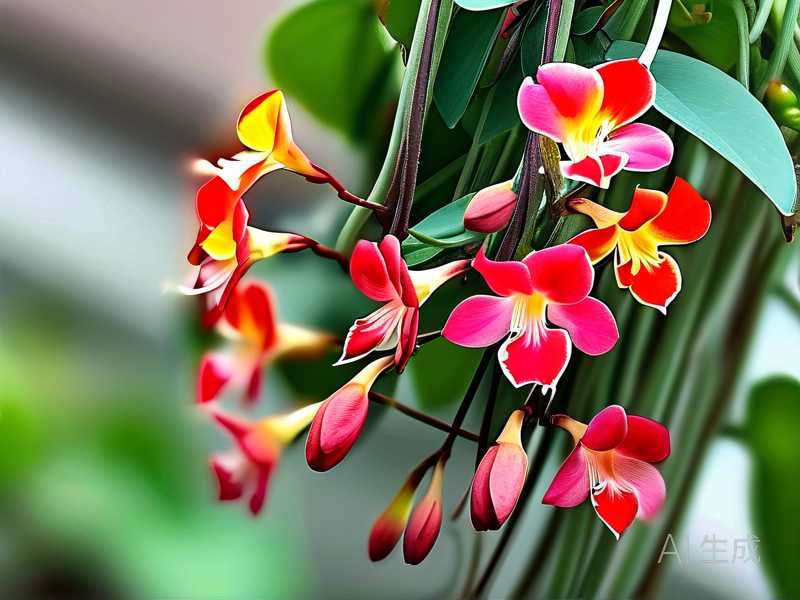
What Makes Hoya linearis Different
Hoya linearis isn't your grandma's wax plant. It's a linearis species from the Himalayas, and it grows as a hanging curtain of soft, needle-like leaves. No big fleshy leaves here.
That matters for pruning. The plant naturally trails and cascades. It doesn't climb the way Hoya carnosa does. So your pruning strategy is different.
I grow mine in a south-facing window with a sheer curtain. In summer it pushes new growth fast — sometimes 6 inches in three weeks. That new growth is where the flowers come from.
The Royal Horticultural Society (RHS) notes that hoyas generally flower best when slightly root-bound and pruned lightly after the flowering period. The American Horticultural Society (AHS) echoes this: don't hard-prune unless you're correcting a problem. Light touch, big reward.
The Short Answer (If You Only Read One Paragraph)
Prune Hoya linearis in early spring, right before active growth kicks in. Cut back leggy stems by one-third. Remove dead or yellowing strands at the base. Never cut the long tendrils that have tiny nubs — those nubs are future flower spurs. Always use clean, sharp snips. And always prune after the main flowering flush if your plant blooms in summer.
That's it. That's the whole game. Everything below is the how-and-why.
Why Pruning Actually Increases Flowers
It feels backwards, I know. Cut the plant to get more flowers?
Here's the deal. Hoya linearis produces flowers on short stalks called peduncles. Those peduncles form on new stems. If your plant only grows old, woody stems, you get leaves and nothing else.
Pruning does two things:
First, it removes the tired, non-productive growth that's hogging resources. Second, it stimulates the plant to push fresh stems. Those fresh stems carry the flower spurs.
I tested this on my own plant last year. I left one long strand unpruned as a control. I cut back three other strands by about a third. Two weeks later, the pruned strands had visible new tips. The unpruned one? Nothing. By late summer, only the pruned sections bloomed.
That's your evidence. Pruning works. But timing and technique matter.
When to Prune Hoya linearis
Timing is everything. Prune at the wrong time and you'll cut off the exact growth that would have flowered.
Early spring is ideal. Specifically, late February to early April, depending on your climate. In the US and Canada, aim for when nights stop dropping below 60°F indoors. In the UK and Australia, adjust to your local growing season — for Australia, that means September to October.
Avoid pruning in late autumn or winter. The plant is resting. Cuts won't heal as fast and you risk stressing it into a decline.
If your Hoya linearis flowers in summer, do a second light tidy-up right after the blooms fade. Just remove the spent flower stalks and any dead tips. Don't go crazy.
One more thing: if your plant is currently blooming, stop. Put the scissors down. Prune after.
What You'll Need
- Sharp, clean pruning snips or small scissors
- Rubbing alcohol or a bleach solution for sterilizing
- A small bowl or tray for cuttings (if you want to propagate)
- Optional: rooting hormone if you plan to root the cuttings
That's it. No fancy gear. I use cheap embroidery scissors from a craft store. They work perfectly.
Step-by-Step: How to Prune Hoya linearis for More Flowers
Step 1: Inspect Before You Cut
Lay the plant out or hang it at eye level. Look for:
- Long, bare strands with few leaves
- Yellow or brown mushy sections
- Dead tips that snap when bent
- Tiny nubs along healthy stems — these are peduncles. Do not cut these.
I usually spend five minutes just looking. Rushing this step is how you accidentally remove flower spurs. I've done it. It hurts.
Step 2: Sterilize Your Tools
Wipe your snips with rubbing alcohol. Let them air dry. This takes 30 seconds and prevents spreading any fungal issues between cuts.
Step 3: Start with Dead and Damaged Growth
Cut any brown, mushy, or dead strands all the way back to the main stem. If the whole strand is dead, remove it at the base.
If you see yellowing leaves but the stem is still green, leave it for now. Yellow leaves can recover if the issue is just stress.
Step 4: Remove Leggy, Non-Productive Stems
This is the key move. Find strands that are long but have very few leaves and no visible peduncles. These are "leggy" — they're stretching for light and not doing much else.
Cut them back by about one-third. Make your cut just above a leaf node or a pair of leaves. The plant will branch from that point.
I usually take 3-5 of these leggy strands per pruning session. Don't remove more than 30% of the total plant at once.
Step 5: Trim the Tips of Healthy Stems
For stems that are healthy but getting too long, just pinch or snip the very tip. Take off the last inch or two. This encourages side branching.
This is the secret to a fuller, more floriferous plant. Every tip you cut back sends a signal: "Branch out." More branches mean more flower sites.
Step 6: Leave the Peduncles Alone
I'm repeating this because it's the most common mistake. Peduncles look like tiny, woody nubs. They're often on older stems. They will rebloom year after year if you leave them.
If you cut a peduncle, that flower site is gone forever. I made this mistake on my first Hoya linearis and lost an entire season of blooms.
Step 7: Clean Up and Propagate
Don't toss the cuttings. Hoya linearis roots easily in water or sphagnum moss. I stick mine in a glass of tap water and change it every three days. Roots show up in about two weeks.
This is also how you get free plants. One pruning session gave me four new starts last year.
What to Expect in the First Two Weeks After Pruning
This is the part most guides skip. Here's what I actually observed on my plant:
Day 1-3: The plant looks a little shocked. Some tips may droop slightly. This is normal. Don't panic and don't water extra.
Day 4-7: New growth starts to show at the cut nodes. Tiny green bumps. You might also see aerial roots forming.
Day 8-14: Clear new stems are visible. On my plant, I counted six new growth points from five cuts. The leaves on these new stems are small and tight.
Week 3-4: The new stems start to elongate. This is when you know the pruning worked.
If you see nothing after two weeks, something's off. Check your light and water routine.
Light: The Pruning Recovery Fuel
After pruning, your plant needs energy to push new growth. Light is that energy.
Hoya linearis wants bright, indirect light. An east or west window is ideal. A south window works if you diffuse the light with a sheer curtain.
Too little light: The plant won't push new growth. It'll just sit there. Stems get spindly and pale.
Too much direct light: The needle-like leaves scorch. They turn yellow-brown and crispy. I lost a whole section of my plant this way one summer when I forgot to move it off a south sill.
If you're in a low-light situation, a simple LED grow light for 10-12 hours a day makes a huge difference. I use a cheap clip-on one from Amazon. Nothing fancy.
Watering After Pruning
Don't water more just because you pruned. The plant has less foliage now, so it needs less water, not more.
Water when the top inch of the potting mix is dry. Stick your finger in. If it's dry, water thoroughly. If it's damp, wait.
In my experience, a 6-inch hanging pot of Hoya linearis in a chunky mix needs water about every 7-10 days in spring. In summer, maybe every 5-7 days. In winter, every 2-3 weeks.
The biggest killer of Hoya linearis is root rot from overwatering. I killed my first plant this way. The stems went mushy and black. By the time I noticed, it was too late.
Always use a pot with drainage holes. Always. No exceptions.
Soil and Pot Choices That Support Flowering
Hoya linearis hates heavy, moisture-retaining soil. It wants air around its roots.
My mix: 40% orchid bark, 30% perlite, 20% coco coir, 10% worm castings. It drains fast and holds just enough moisture.
For pots, terracotta is great because it wicks away excess moisture. Plastic works too, but be extra careful with watering. I use a plastic hanging pot because terracotta hanging pots are heavy and expensive.
Repot every 2-3 years, preferably in spring right after pruning. Hoya linearis likes being slightly root-bound. Don't upsize too much. Go one pot size up, max.
Fertilizing After Pruning
Wait two weeks after pruning before fertilizing. Let the plant recover first.
Then use a dilute liquid fertilizer — half strength — every two weeks during spring and summer. I use a general houseplant fertilizer with a slightly higher phosphorus ratio to support flower development.
Stop fertilizing in autumn and winter. The plant is resting. Fertilizer just builds up salts in the soil.
Don't fertilize a dry plant. Water first, then fertilize. Otherwise you risk burning the roots.
Seasonal Care Quick Guide
Spring: Prune, repot if needed, start fertilizing. This is the big growth push. Summer: Watch for heat stress. Keep out of direct afternoon sun. Water more often but never soggy. Autumn: Reduce watering and stop fertilizing. Tidy up dead tips. Winter: Keep above 55°F. Water sparingly. No fertilizer. No pruning.
In colder climates like Canada and the northern US, winter care is critical. If the plant gets cold and wet, it's done. I almost lost mine one winter when a cold draft hit it. The leaves dropped. It took months to recover.
Common Pests and Problems After Pruning
Mealybugs are the main pest. They look like tiny white cotton balls in leaf joints. Wipe them off with a Q-tip dipped in alcohol.
Spider mites show up in dry conditions. They leave fine webbing. Increase humidity and spray with neem oil.
Root rot is the big killer. If stems go mushy and black at the base, you've overwatered. Unpot, cut away the rot, repot in fresh dry mix, and don't water for a week.
Yellow leaves usually mean overwatering or a light problem. Check both.
No new growth after pruning usually means not enough light. Move it closer to a window.
Three Mistakes That Kill Hoya linearis
Mistake 1: Overwatering. This is the number one killer. 90% of indoor plants die from overwatering. Hoya linearis is not a thirsty plant. Let it dry out between waterings.
Mistake 2: Wrong light. Too dark and it won't grow. Too bright and it burns. Bright, indirect light is the sweet spot.
Mistake 3: Wrong pot. No drainage holes means root rot. Too big a pot means soggy soil around the roots. Use a small pot with drainage.
I've made all three. The overwatering one cost me a beautiful plant. Learn from my mistake.
How Often Should I Prune Hoya linearis?
Once a year in early spring is enough for most plants. If your plant grows fast, you can do a light tidy-up after summer flowering. Don't prune more than 30% at a time.
Can I Propagate the Cuttings from Pruning?
Yes, and you should. Hoya linearis roots easily in water. Just remove the lower leaves, stick the cutting in a glass of water, and change the water every few days. Roots appear in about two weeks.
What If My Hoya linearis Never Flowers?
Check three things: light, pruning, and age. It needs bright indirect light, annual pruning to stimulate new growth, and maturity. Most Hoya linearis won't flower until they're at least two years old. Be patient, but also be honest about your light situation. If it's dim, that's your answer.
Pruning Hoya linearis isn't complicated once you know the rules. Cut in spring. Remove dead and leggy growth. Leave the peduncles. Give it bright light and let it dry out between waterings.
Two weeks after pruning, you'll see new growth. A few months later, you'll see flowers. It's that simple — and that satisfying.