bluename
 How to Revive a Dying Elephant Ear (Fast Fix)
If your elephant ear looks like it's waving goodbye, don't panic yet. I've brought back more than one crispy, drooping Alocasia and Colocasia from the brink, and the fix is usually faster than you'd think. The short answer: check the soil first. If it's soggy, stop watering immediately and let it dry out. If it's bone dry, give it a deep soak and move it out of harsh sun. That single diagnosis solves most emergencies within two weeks.
Here's the thing nobody tells you at the garden center. These plants aren't fussy about love. They're fussy about water. In fact, 90% of indoor plants die from overwatering, and elephant ears top that list.
I've killed three of these before I figured out what actually works. So this is the guide I wish someone had handed me.
Why Elephant Ears Crash So Fast
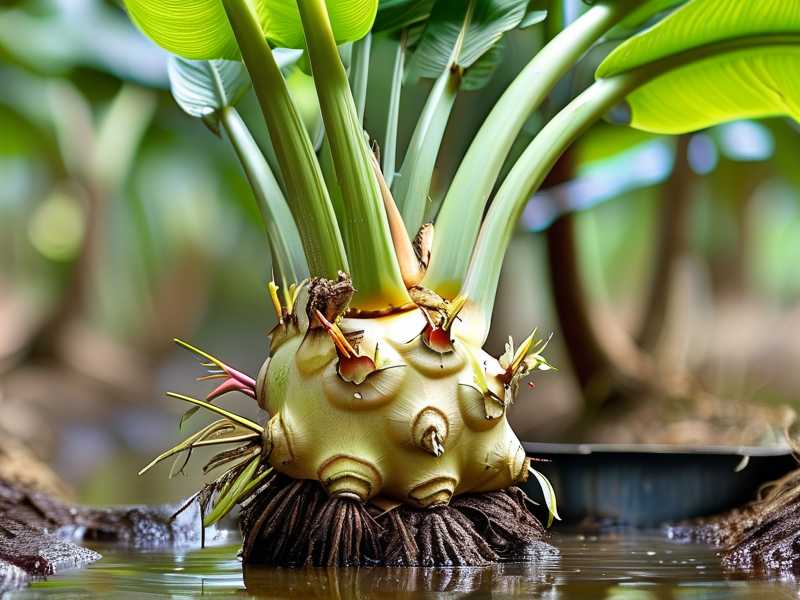
Elephant ears grow from bulbs or rhizomes. That's the secret to everything.
Those underground storage organs hold water. So when you keep the soil wet, the bulb basically drowns while sitting in a swamp. Rot sets in quietly, then all at once.
The leaves are huge too. Big leaves lose moisture fast in dry air. So the same plant can swing from "overwatered" to "crispy" in days.
That's why elephant ear care feels like walking a tightrope. It isn't. You just need to read the plant instead of following a schedule.
Start Here: The 60-Second Diagnosis
Before you do anything, stick your finger two inches into the soil.
- Wet and mushy? You're overwatering. Stop immediately.
- Dry and pulling away from the pot? Underwatering.
- Smells sour or rotten? Root rot. Time for surgery.
Also check where the plant sits. A spot that gets direct afternoon sun will scorch those leaves in a single day.
Ninety percent of the rescue cases I've handled come down to those two things: water and light. Get them right and the plant does the rest.
Light: The Sweet Spot Most People Miss
Elephant ears want bright, indirect light. That's it.
Think of a spot a few feet back from a sunny window. Or a porch with morning sun and afternoon shade.
Too much direct sun burns the edges. You'll see crispy brown patches that feel like paper. Too little light and new leaves come in small and pale, and the stems stretch toward the window like they're begging.
I learned this the hard way with my first Alocasia. I parked it on a south-facing sill in July. By day three, two leaves looked like fried chips.
According to the RHS, most aroid houseplants perform best in bright filtered light with protection from harsh midday sun. That matches everything I've seen in my own living room.
Quick Light Fixes
- Move it two to three feet back from a bright window.
- Use a sheer curtain if your window faces south or west.
- Rotate the pot a quarter turn each week so it grows evenly.
- If it's stretching, it needs more light, not less.
Watering: Where Nearly Everyone Goes Wrong
Here's my rule. Water deeply, then wait until the top two to three inches are dry.
That's it. No calendar. No "every Sunday" habit.
In summer, that might mean watering every five to seven days. In winter, it could be every two to three weeks. The plant tells you, not the clock.
When you do water, do it thoroughly until it runs out the drainage holes. Then empty the saucer. Sitting water is a death sentence.
I tried the "little sips often" approach once. The bulb rotted within a month. Never again.
If You Overwatered
- Stop watering entirely.
- Move the pot somewhere warm with good airflow.
- Gently lift the root ball and check the bulb. Squishy and brown means rot.
- Trim mushy roots with clean scissors.
- Repot in fresh, dry, well-draining mix.
- Wait a week before watering again.
If You Underwatered
- Set the pot in a tub of room-temperature water for 20 minutes.
- Let it drain fully.
- Mist the leaves or run a humidifier nearby.
- Expect drooping leaves to perk up within 24 to 48 hours.
Soil and Repotting
Elephant ears hate heavy soil. Period.
A chunky mix is what you want. I use roughly:
- 50% potting soil
- 30% perlite or pumice
- 20% orchid bark
It drains fast but still holds a bit of moisture. The roots stay happy. The bulb doesn't rot.
For pots, always choose one with drainage holes. Terracotta works well because it wicks away extra moisture. Glazed ceramic is fine too, just check the holes. A pot that's too big is a rookie trap. Excess soil stays wet and smothers the roots.
Repot every one to two years, ideally in spring. Step up just one pot size. Going too big causes the same soggy problem.
Fertilizing Without Burning the Roots
Feeding is where people get overexcited. Don't.
Use a balanced liquid fertilizer diluted to half strength. Feed every two to four weeks during active growth.
Skip fertilizer entirely in winter. The plant is resting, and food just sits in the soil.
I once fed a struggling elephant ear thinking it needed a boost. It burned the leaf tips and set recovery back two weeks. Learn from my mistake.
Signs you overfed: brown leaf edges, white crust on the soil, wilting despite moist soil. Flush the pot with plain water and wait a month before feeding again.
Seasonal Care That Actually Works
Spring
This is revival season. New growth starts pushing up.
- Resume watering as the soil dries faster.
- Start fertilizing at half strength.
- Repot if roots are circling the drainage holes.
- Trim dead leaves at the base with clean shears.
- Move it to a brighter spot gradually, not all at once.
Summer
The plant grows fast, but so do problems.
- Shield it from direct midday sun.
- Water more often, but always check the soil first.
- Keep air moving. A small fan helps in stuffy rooms.
- Watch for spider mites in dry heat. Wipe leaves weekly.
- Never let it sit in a full saucer.
Fall
Time to slow everything down.
- Reduce fertilizer to once a month, then stop.
- Water less as growth slows.
- Clean the leaves so they can absorb light.
- Move it away from cold windows at night.
Winter
This is where most elephant ears die indoors.
- Keep it above 60°F (15°C). Below that, growth stops and rot creeps in.
- Cut fertilizer completely.
- Water sparingly. Maybe once every two to three weeks.
- Keep it away from drafts and heating vents.
- A humidifier nearby helps, since indoor air gets dry.
Many elephant ears go dormant in winter. Yellowing and dropping leaves is normal. Don't panic and don't water more.
Pests and Problem Solving
Spider Mites
Tiny webs under leaves. Dry air invites them. Wipe leaves with a damp cloth and raise humidity. Neem oil works for bad cases.
Fungus Gnats
A sign of constantly wet soil. Let the top layer dry out and use sticky traps.
Mealybugs
White fuzzy clumps in leaf joints. Dab with rubbing alcohol on a cotton swab.
Yellow Leaves
Usually overwatering. Check the soil before assuming it needs food. The AHS notes that yellowing in aroids is most often a moisture issue rather than a nutrient one, and I've found that spot on.
Brown Crispy Edges
Low humidity or too much direct sun. Move the plant and add a pebble tray or humidifier.
Drooping Leaves
Could be underwatering or root rot. Feel the soil. That tells you which direction to go.
The Three Mistakes That Kill Most Elephant Ears
I've made all three. So has nearly every plant parent I know.
1. Overwatering. The number one killer. Wet soil suffocates the bulb and rot sets in before you notice. Water only when the top inches are dry.
2. Wrong light. Too much direct sun scorches leaves. Too little makes them weak and pale. Bright indirect is the target.
3. Wrong pot. No drainage holes, or a pot that's way too large. Both keep soil wet too long. Choose a pot with holes and only size up when roots need it.
My Two-Week Revival Log
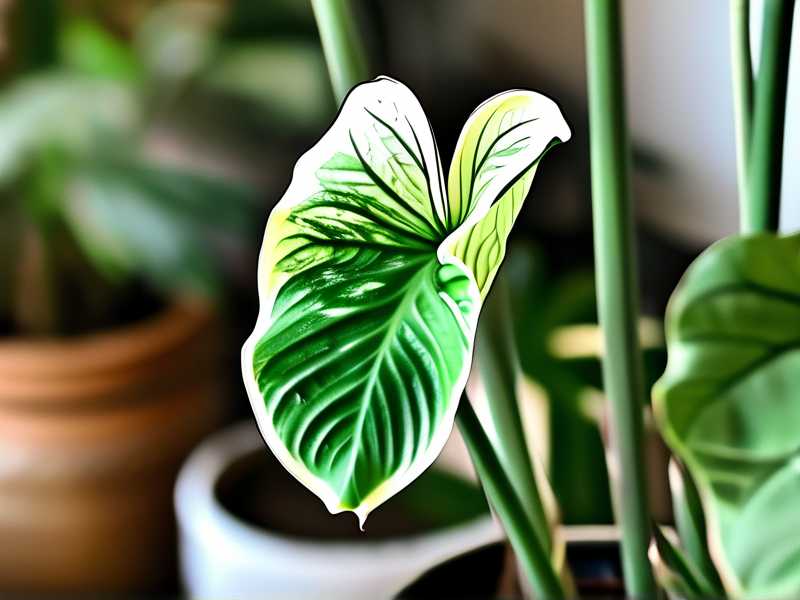
I want to share a real case. A friend gave me a sad Alocasia with three drooping leaves and soggy soil.
Day 1: I pulled it out, trimmed the rotted roots, and repotted in a chunky mix with a terracotta pot fan.
Day 3: No change. I resisted watering. This part is hard.
Day 7: One leaf perked up. Soil was dry two inches down, so I gave a light watering.
Day 10: A new leaf tip appeared near the base.
Day 14: Two leaves standing upright again. The third I removed since it was too far gone.
Two weeks. That's the turnaround when you fix the soil, water, and light at the same time.
Frequently Asked Questions
Can a completely leafless elephant ear come back?
Yes, if the bulb is still firm. If it's mushy, it's gone. Firm bulbs often push new growth within a few weeks.
Should I cut off dying leaves?
Only if they're fully brown and crispy. Green leaves, even sad ones, are still making food for the plant.
How often should I water a dying elephant ear?
Don't water on a schedule. Check the soil every few days and water only when the top two to three inches are dry.
Final Thoughts
Reviving a dying elephant ear comes down to three things: fix the water, fix the light, and be patient. Most of the damage happened slowly, so the recovery takes a couple of weeks.
Stop guessing. Stick your finger in the soil. Move the pot if the light is wrong. Skip the fertilizer until you see new growth.
I've lost plants rushing this process. The ones I saved were the ones I left alone after making the right changes. You've got this.