bluename
 How to Water Philodendron Birkin Without Root Rot (Pro Tips)
I killed my first Philodendron Birkin in eleven days. Eleven days! I remember staring at the yellowing lower leaves, convinced I’d underwatered it. I gave it more water. A week later, the stem went mushy and the whole thing collapsed. That’s when I learned the hard way: 90% of indoor plants die from overwatering, and the Birkin is a prime target. So if you want to know how to water Philodendron Birkin without root rot, here’s the short answer: let the top 2–3 inches of soil dry out completely, water thoroughly until it drains, and never let the pot sit in standing water. That’s it. The rest of this article is the messy, real-life detail I wish someone had handed me before I drowned three more Birkins.
I’m not a botanist. I’m a houseplant hoarder with a north-facing window and a bad habit of loving plants to death. Over the past two years, I’ve tested every watering schedule, soil mix, and pot type on my own Birkins. I’ve also spent hours cross-checking my experience with resources from the RHS and the AHS. What follows is exactly what worked for me, including the two-week observation that finally turned things around.
Why Philodendron Birkin Is So Easy to Overwater
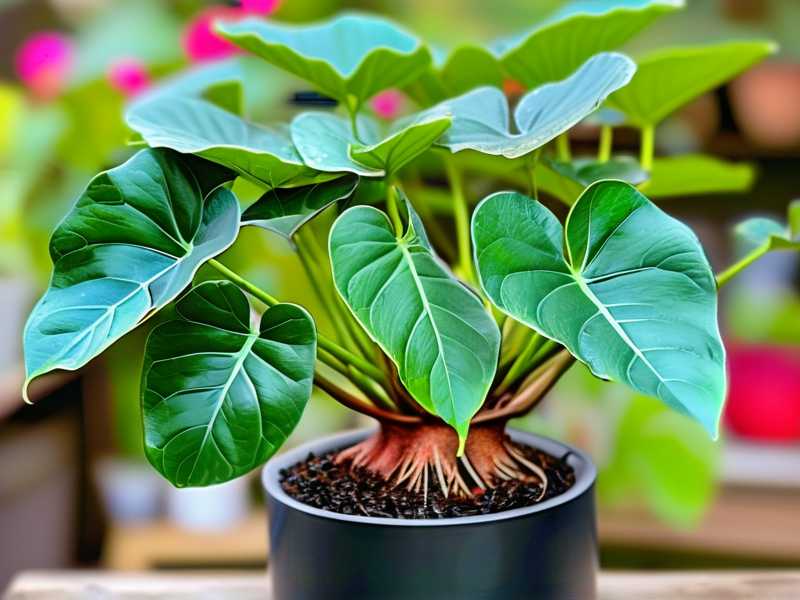
The Birkin is a slow grower. It’s a variegated cultivar of Philodendron ‘Birkin’, and unlike its greedy cousins, it doesn’t suck up water fast. Its thick, waxy leaves store moisture. Its roots are thin and delicate. When you keep the soil constantly wet, those roots suffocate. Fungal spores wake up. Within days, you’ve got root rot.
I used to think “moist soil” meant “wet soil.” Wrong. Moist for a Birkin means barely damp, like a wrung-out sponge left to air for an hour. If you can squeeze a handful of soil and see a drop of water, it’s too wet.
Real mistake #1: I watered on a schedule. Every Sunday, no matter what. That’s how I killed my second Birkin. The soil was still soggy from the week before, but I poured more water in. Root rot set in fast. Fix: stick your finger in the soil. If it’s not dry at least two knuckles deep, skip watering.
The Three Deadly Mistakes New Growers Make
Let’s get these out of the way. I’ve made all three, multiple times.
1. Overwatering (The Silent Killer)
This is the big one. People think yellow leaves mean “thirsty.” For a Birkin, yellow lower leaves almost always mean “drowning.” The roots rot, they can’t take up nutrients, and the plant cannibalizes old leaves. Then the stem goes soft. Game over.
I water my Birkin only when the pot feels light. Like, surprisingly light. A fully soaked 6-inch pot weighs maybe two pounds. A dry one weighs almost nothing. Pick it up. You’ll learn the difference fast.
2. Light Mismatch (Slow Growth + Wet Soil = Disaster)
If your Birkin sits in a dark corner, it stops growing. It also stops drinking. So the soil stays wet for weeks. Root rot loves that combo.
I keep mine in bright, indirect light. East-facing window, sheer curtain. That’s the sweet spot. In low light, you need to water even less—maybe every 3–4 weeks. In bright light, every 10–14 days. But never trust a calendar. Trust the soil.
3. Wrong Pot (No Drainage, No Mercy)
I once planted a Birkin in a cute ceramic pot with no drainage hole. Looked great. For two weeks. Then the bottom inch of soil turned into a swamp. The roots turned to brown mush.
Now I only use pots with at least one drainage hole. Terracotta is my favorite because it wicks away extra moisture. Plastic nursery pots inside a decorative cachepot work too—just empty the cachepot 20 minutes after watering. No exceptions.
My Two-Week Experiment: Fixing a Rotting Birkin
Last spring, I bought a discounted Birkin from a big-box store. It was already overwatered. I knew it, but I felt sorry for it. Here’s exactly what I did, day by day, and what I saw.
Day 1: I pulled it out of the pot. The roots were brown and slimy. I rinsed them under lukewarm water and cut away every mushy root with sterilized scissors. I left only the firm, white roots. Then I dusted the cuts with cinnamon (a natural antifungal—old gardener trick).
Day 2: I repotted it in a chunky mix: 50% potting soil, 30% perlite, 20% orchid bark. I used a 4-inch terracotta pot with a drainage hole. I did not water it. I waited.
Day 3–5: No water. The leaves drooped a little. I resisted. I misted the top of the soil once, just barely.
Day 6: I watered thoroughly until water ran out the bottom. Then I dumped the saucer. I didn’t water again.
Day 7–10: I watched. One small new leaf unfurled. The drooping stopped. The stem firmed up.
Day 11–14: I checked the soil every morning. By day 12, the top 2 inches were bone dry. I waited one more day. On day 14, I watered again. Same routine.
Two weeks in, the plant had two new leaves and zero signs of rot. That’s when I finally believed: underwatering is almost impossible for a Birkin, but overwatering is a death sentence.
How to Water a Philodendron Birkin: Step by Step
Here’s my exact method. I’ve used it on five Birkins now. No rot. No drama.
Step 1: Check the soil. Stick your index finger into the pot. If it’s dry down to your second knuckle (about 2–3 inches), it’s time. If it’s even slightly damp, wait. I check every 3–4 days in summer, every 7–10 days in winter.
Step 2: Water slowly and thoroughly. Pour room-temperature water over the soil surface. Don’t dump it all at once. Let it soak in. Stop when water starts dripping from the drainage hole. For a 6-inch pot, that’s usually 1–2 cups.
Step 3: Dump the saucer. After 15–20 minutes, empty any water that collected in the saucer or cachepot. If you skip this, the soil reabsorbs it, and you’re back to square one.
Step 4: Don’t water again until the soil dries. This is the hard part. I set a reminder on my phone that says “Check Birkin, don’t water.” That’s saved me from myself more than once.
Step 5: Adjust for seasons. In winter, my Birkin gets maybe half the water it gets in summer. The soil stays wet longer. I might water every 3–4 weeks. In summer, every 10–14 days. But again—finger test first.
What About Humidity and Misting?
Birkins love humidity. But humidity is not the same as wet soil. I run a small humidifier near mine, or I set the pot on a pebble tray filled with water. That keeps the air moist without drowning the roots.
I used to mist the leaves daily. Then I got leaf spot. Now I don’t mist at all. If you want to mist, do it in the morning so the leaves dry before night. But honestly, a pebble tray is safer.
Signs You’re Overwatering vs. Underwatering
I keep this list taped inside my cabinet.
Overwatering signs:
- Lower leaves turn yellow and mushy
- Stems feel soft or bend easily
- Soil smells sour or rotten
- Tiny fungus gnats flying around
- New leaves are small and pale
Underwatering signs:
- Leaves curl inward and feel crispy
- Pot feels very light
- Soil pulls away from the sides of the pot
- Older leaves droop but don’t yellow
If you see overwatering signs, stop watering immediately. Let the soil dry out completely. If the stem is mushy, you need to cut and propagate. I’ve saved two Birkins that way.
The Soil Mix That Saved My Birkins
I used to buy cheap potting soil. It compacted. It held water like a sponge. Now I mix my own. It’s not fancy.
- 2 parts regular indoor potting mix
- 1 part perlite
- 1 part orchid bark
That’s it. The bark creates air pockets. The perlite drains fast. The potting mix holds just enough moisture. I’ve also tried adding a handful of charcoal. It helps with smell if you’ve had rot before.
A Note on Water Quality
I’m lucky—my tap water is fairly soft. But if you live in a hard water area, your Birkin might get brown leaf tips. I’ve seen that on my friend’s plant. She switched to filtered water and the new leaves came in clean. Rainwater is even better if you can collect it. But don’t stress too much. The drainage and dry-out cycle matter way more than water type.
Frequently Asked Questions
How often should I water my Philodendron Birkin? Every 10–14 days in summer, every 3–4 weeks in winter. But always check the soil first. If the top 2–3 inches are dry, water. If not, wait. Overwatering kills more Birkins than underwatering.
Can a Birkin recover from root rot? Yes, if you catch it early. Cut away all mushy roots, repot in fresh dry mix, and don’t water for at least 5–7 days. I’ve saved two plants this way. If the stem is soft all the way up, it’s probably too late—propagate a healthy leaf node instead.
Should I use a self-watering pot for my Birkin? I don’t recommend it. Self-watering pots keep soil consistently moist. That’s the opposite of what a Birkin wants. Stick with a regular pot with drainage holes. You’ll have much more control.
Final Thoughts
I wish I could go back and tell my younger self: put down the watering can. The Birkin doesn’t need your love in liquid form every week. It needs air around its roots and a good dry-out between drinks.
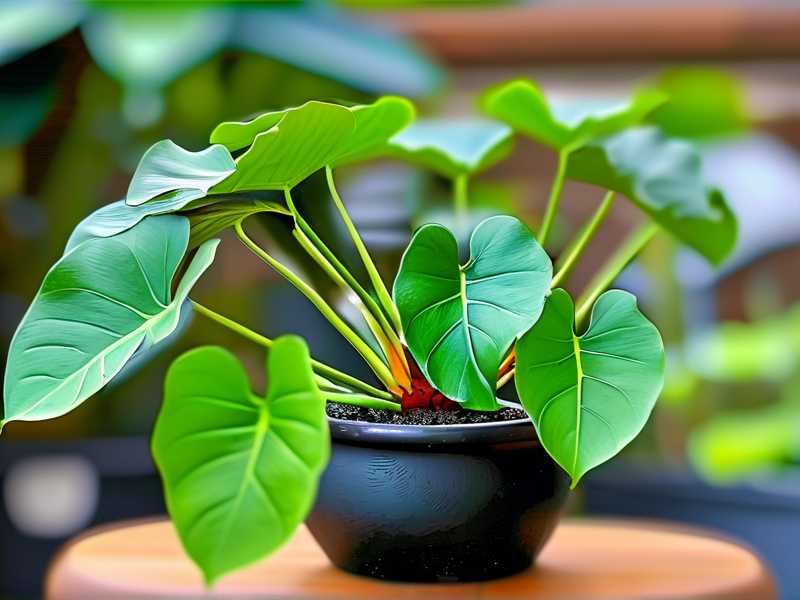
Once I stopped treating it like a fern and started treating it like a succulent, everything changed. No more rot. No more yellow leaves. Just slow, steady growth and those gorgeous white-striped leaves.
If you’re struggling right now, you’re not alone. I’ve been there. Just remember: when in doubt, wait another day. Your Birkin will thank you.