bluename
How to Grow Healthy Caladium for Beginners (Easy Guide)
If you're killing your caladium with kindness, you're not alone. I did it too. The honest truth about how to grow healthy caladium for beginners is simpler than most blogs make it sound: give it bright indirect light, water only when the top inch of soil feels dry, and keep it warm. That's it.
I've grown caladiums for years now, both in pots and tucked into shady garden beds. Some thrived. Some turned to yellow mush. Here's everything I wish someone had told me before I lost three plants in one summer.
Why Caladiums Are Worth the Effort
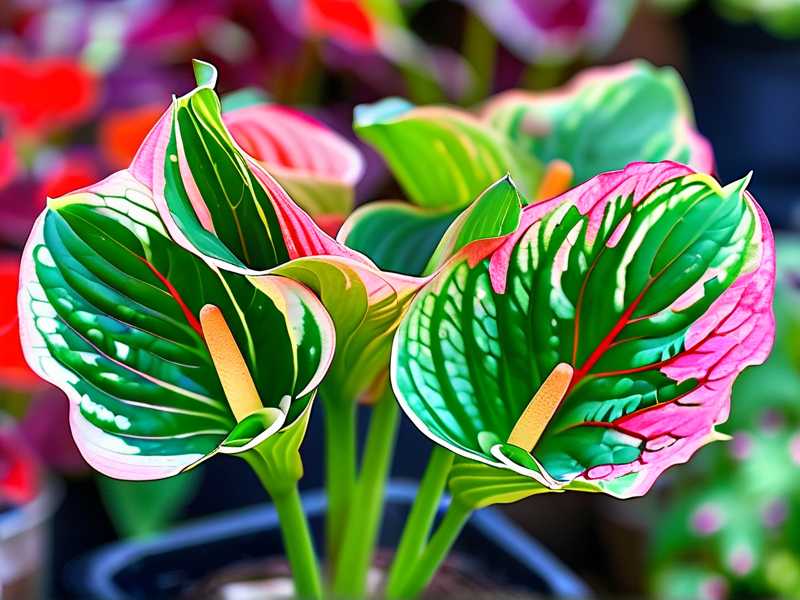
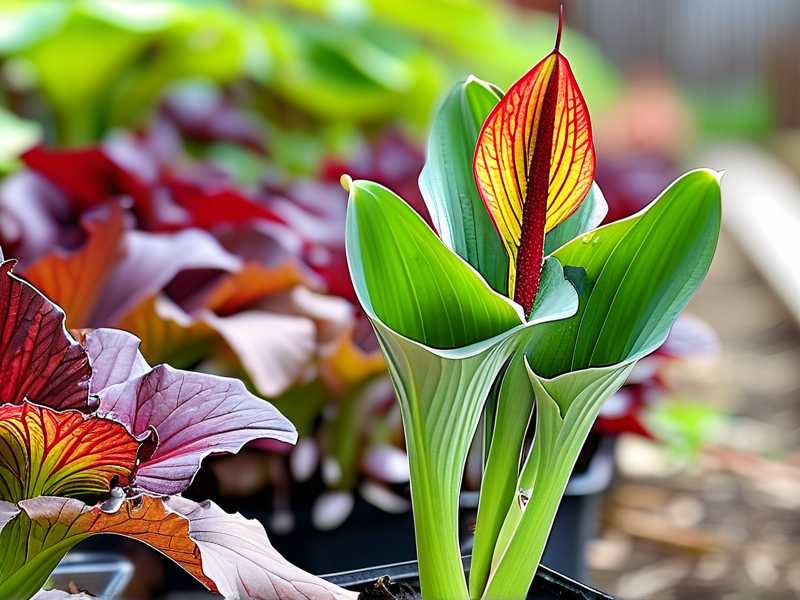
Caladiums are those heart-shaped beauties with paper-thin leaves in pink, white, red, and green. They're tropical plants from South America, which tells you two things right away: they love warmth and they hate cold wet feet.
The American Society for AHS Gardening notes that caladiums grow best in part shade to full shade, with consistently moist but well-drained soil. That matches what I've seen in my own garden.
In most of the US, Canada, and the UK, we treat caladiums as annuals or houseplants. In Australia, they can be perennial in warm zones. Either way, the care is basically the same.
The 3 Beginner Mistakes That Kill Caladiums
Let's get straight to the heartbreak.
Mistake 1: Overwatering (This Is the Big One)
You've heard it before, but it needs repeating: 90% of indoor plants die from overwatering.
I killed my first caladium this way. Watered it every two days because the soil looked "dry" on top. Within a week, the stems went soft. By day ten, the tubers were rotting. I remember lifting the whole plant out of the pot and it just fell apart in my hands.
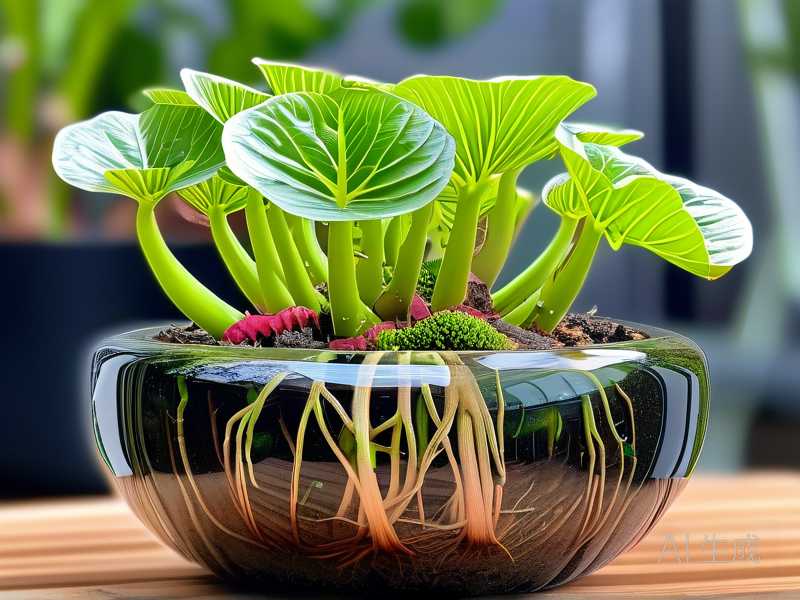
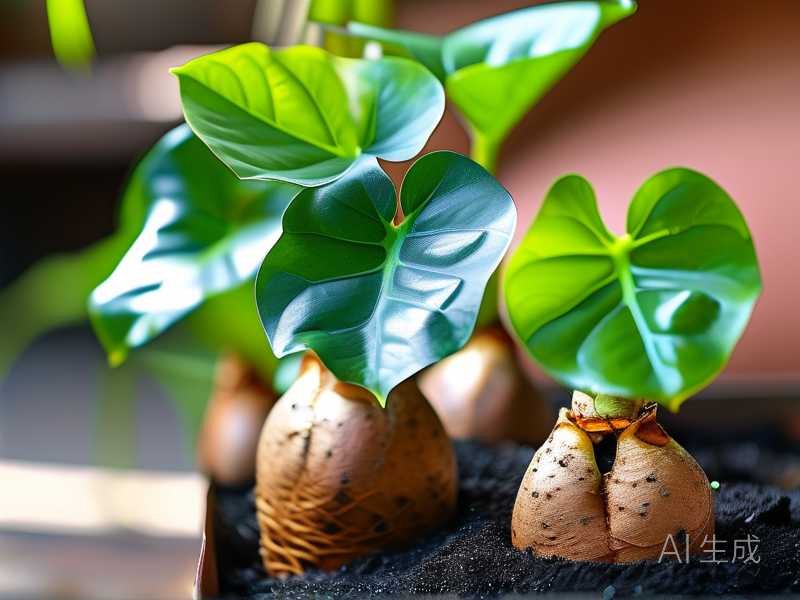
Caladiums grow from tubers, not regular roots. Tubers store water. When they sit in soggy soil, they suffocate and rot from the inside.
Here's what I do now. I stick my finger about an inch into the soil. If it feels dry, I water. If it feels even slightly damp, I wait another day or two. In a 6-inch pot indoors, that usually means watering every 5–7 days in summer. Less in winter.
I also switched to a pot with drainage holes. Simple fix, huge difference.
Mistake 2: Wrong Light
Caladiums are not low-light plants. They're shade plants. There's a real difference.
Put them in a dark corner and they'll stretch and fade. Put them in harsh afternoon sun and the leaves scorch and curl.
I tried both. My north-facing window gave me pale, leggy stems. My west window in July fried a beautiful 'White Christmas' in three days.
What actually works: bright, indirect light. A few feet back from an east or south window. Dappled shade under a tree outdoors. My best-looking caladiums get about two hours of gentle morning sun and bright shade the rest of the day.
Mistake 3: Wrong Pot and Wrong Soil
I tried growing one in a glazed ceramic pot with no drainage. That was a disaster. Water pooled at the bottom. The tuber rotted in about two weeks.
Now I use terracotta or plastic pots with drainage holes, one size bigger than the tuber but not huge. Oversized pots hold too much wet soil around the tuber, which spells trouble.
For soil, I mix regular potting mix with perlite. Maybe 70/30. It keeps things airy and drains fast. Caladiums hate compacted, soggy soil.
What I Actually Did: A Two-Week Test
I wanted to see how fast caladiums respond to better care. So I ran a simple two-week observation with two plants: one I was overwatering, one I cared for properly.
Week 1, Day 1–3: The overwatered plant started drooping. Not dramatic, just a slight lean. The properly watered one stayed upright and perky.
Week 1, Day 5–7: Overwatered plant had yellowing lower leaves. I could smell that damp, musty soil smell. The healthy plant pushed out one new leaf.
Week 2, Day 8–10: The sad plant's stems went mushy. I pulled it, and the tuber was brown and soft in the middle. Nothing to save.
Week 2, Day 11–14: The healthy plant unfurled two new leaves. Color was vivid. I hadn't changed anything except watering only when dry and keeping it in bright indirect light.
That's the whole "secret." It's honestly not much of a secret. Caladiums just want you to stop fussing.
Step-by-Step: How I Plant Caladium Tubers
- Pick the right time. Start tubers indoors 4–6 weeks before your last frost. In warm zones, plant directly outside.
- Choose a pot. One with drainage. Width should be about twice the tuber's size.
- Plant the tuber knobby side up. I've planted them upside down before. It takes forever to sprout. Learn from my mistake.
- Bury it about 2 inches deep. Not too deep, or the shoot struggles to reach the surface.
- Water once, then wait. Don't water again until you see a green shoot poking up.
This last point matters. Tubers can rot before they even sprout if you keep watering bare soil.
Watering and Humming Along: What Works for Me
I water thoroughly until it drips out the bottom, then I don't water again until the top inch is dry.
I also stopped using a moisture meter. I know folks love them, but mine gave readings that didn't match how the soil actually felt. My finger is more reliable.
Humidity matters too. Caladiums come from jungles. Dry indoor air makes leaf edges crispy. I run a small humidifier nearby in winter, or I group plants together to raise local humidity.
Feeding Your Caladium (Don't Overdo It)
I feed mine every four weeks with a diluted liquid fertilizer. Half strength. That's it.
I once used full-strength fertilizer hoping for bigger leaves. I got burned leaf tips instead. Caladiums are light feeders. More isn't better.
What to Do When Leaves Die Back
Caladiums go dormant. It's normal. Leaves yellow, flop over, and disappear.
Don't panic. Don't toss the plant. I did that my first year and felt silly when I learned the tubers were just resting.
Let the foliage die back naturally. Then stop watering. Store the pot or dug-up tubers in a cool, dry spot (around 60–65°F / 15–18°C) and start them again in spring.
Common Questions
Why are my caladium leaves turning yellow? Nine times out of ten, it's too much water. Yellowing starts at the bottom and moves up. Let the soil dry out completely and check the tuber for soft spots.
Can caladiums grow indoors year-round? Yes, but they need a bright spot and a winter rest. I keep mine near an east window and let them go dormant in fall. Forcing them to grow year-round just exhausts the tuber.
How long do caladiums take to sprout? Usually two to four weeks, depending on soil temperature. Cold soil slows them way down. I've waited nearly five weeks for stubborn tubers in a cool room.
Caladiums aren't difficult once you understand what they want. Warmth, indirect light, and dry spells between waterings. That's really the whole guide. I lost a few along the way so you don't have to.