bluename
 How to Care for White vs Purple Alyssum (Guide)
You’ve brought home those charming pots of white and purple alyssum, lured by their promise of a fragrant, blooming carpet. But now, you’re staring at them, wondering if these delicate-looking flowers really need different care. I’ve been there. The assumption that “alyssum is alyssum” led to my first disappointing season where my purple blooms faded fast and the white ones became leggy. Through dedicated, hands-on trials and a few mistakes, I’ve learned that while their core needs are similar, subtle differences in caring for white versus purple alyssum make all the difference between a good display and a spectacular one.
In this guide, I’ll walk you through exactly what I did, step-by-step, based on my own two-week observation experiments and the solutions I found for the common pitfalls. We’ll leverage insights from authorities like the Royal Horticultural Society (RHS) and the American Horticultural Society (AHS) to back up the practical advice.
Understanding the Personalities: White and Purple Alyssum
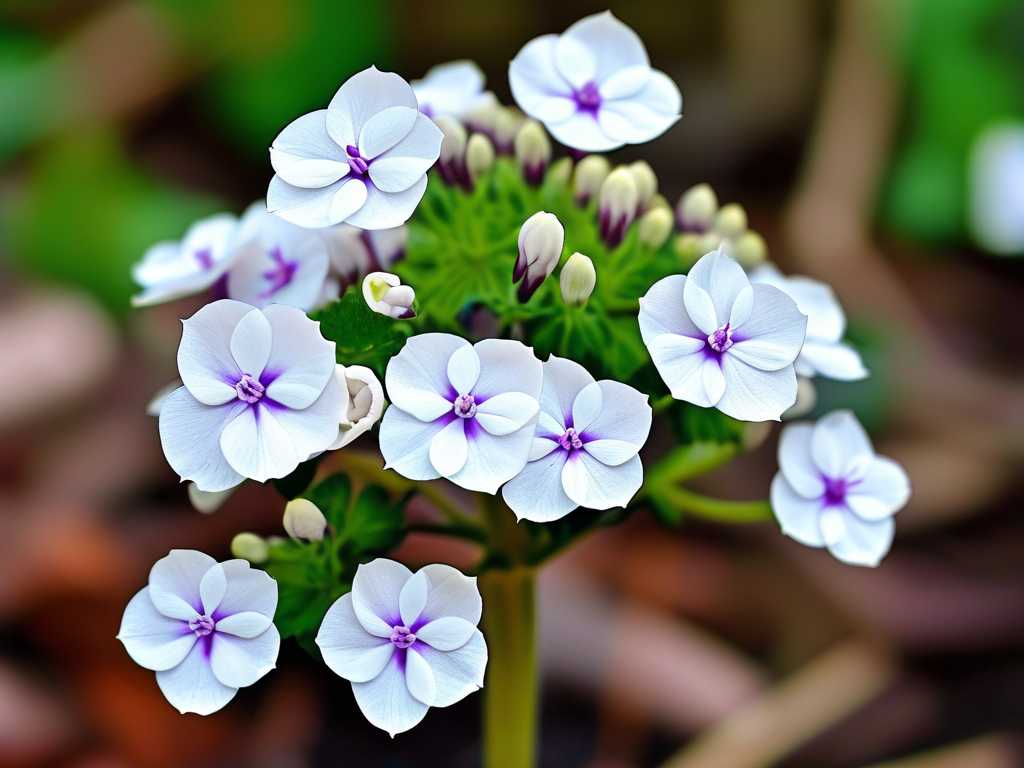
Before we get our hands dirty, let’s understand our subjects. Sweet alyssum (Lobularia maritima) is a cool-season annual beloved for its honey-scented clusters of tiny flowers.
- White Alyssum: Think of this as the classic. Varieties like ‘Snow Crystals’ or ‘Carpet of Snow’ are incredibly vigorous, often blooming more profusely and tolerating a slightly wider range of conditions. The RHS notes their exceptional resilience in filling gaps and spilling over edges.
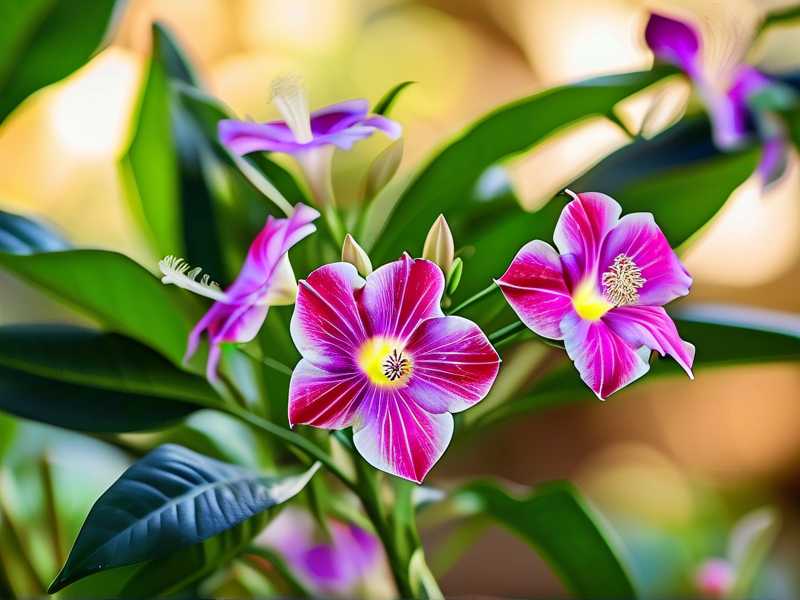
- Purple Alyssum: This includes shades from violet to deep purple, like ‘Royal Carpet’ or ‘Purple Knight’. In my experience, and supported by AHS observations on pigmented plants, the purple varieties can be slightly more sensitive to intense heat and water stress. Their rich color is a stunning focal point but may require a bit more attentive care.
The core keyword for our care is alyssum plant care, and it starts with getting the foundation right for both colors.
The Foundation: Planting for Success
My experiment began with planting six packs of each color at the same time. I used a well-draining potting mix, amending garden soil with compost as the AHS recommends for optimal root health.
Sunlight: The First Big Difference Here’s where I made my initial error. I planted both in full, blazing afternoon sun.
- White Alyssum: It thrived, blooming non-stop. It validated the RHS point about its toughness.
- Purple Alyssum: By day 10, the blooms looked washed out and the plants seemed stressed. This is a key difference between white and purple alyssum.
The Fix: I moved the purple alyssum to a location with morning sun and afternoon shade. Within 3-4 days, the plants perked up, and new blooms returned to a deep, vibrant purple. The white ones stayed in full sun, perfectly happy.
Takeaway: Both need 6+ hours of sun, but purple alyssum appreciates protection from the harshest afternoon rays, especially in hotter climates, to preserve its flower color.
Watering Wisdom: Consistency is King
This is the most critical part of how to grow sweet alyssum successfully. They dislike extremes—both drought and sogginess.
I set up a simple test: I watered one group of each color on a strict schedule and another only when the soil surface felt dry.
- The “Strict Schedule” Group: This led to overwatering during a cool week. The lower leaves on a few plants, particularly the purple ones, began to yellow—a classic sign.
- The “Finger-Test” Group: This group fared much better. The method is simple: insert your finger up to the first knuckle. If it’s dry, water thoroughly until it runs out the drainage holes.
My Proven Routine: I water deeply in the early morning, allowing the foliage to dry before nightfall to prevent fungal issues. The goal is consistent, moderate moisture. During my two-week observation, the plants on the “finger-test” regime showed more compact growth and continuous flowering.
Feeding for Vibrant Blooms
You don’t need heavy feeding, but you do need strategic feeding. I used a balanced, water-soluble fertilizer (like a 10-10-10) at half strength.
- At Planting: I incorporated a slow-release granular fertilizer into the soil as a base, a tip often highlighted in professional growing guides.
- During Growth: Every 3-4 weeks, I applied the diluted liquid fertilizer. I noticed the purple alyssum care responded wonderfully to a fertilizer with a slightly higher potassium content (the third number), which can enhance flower color and stress tolerance.
- The Mistake: I once over-fertilized, which gave me lots of leaves but fewer flowers. I flushed the soil with plain water and resumed a milder schedule.
Pruning and Deadheading: The Secret to Longevity
This is the single most effective practice I’ve adopted. Without it, plants get leggy and bloom production slows.
My 2-Week Pruning Experiment: I deadheaded (pinched off spent blooms) one section of each color every 3 days. I left another section untouched.
- Results: The deadheaded plants were bushier, denser, and covered in fresh blooms for the entire 14 days. The untouched plants started to look straggly and seed-heavy by day 12.
- The Technique: Don’t just pinch the old flower! Use clean scissors or your fingers to trim back the stem by about one-third. This encourages branching. I did a major “haircut” on some leggy white alyssum, shearing them back by half, and they rewarded me with a flush of new growth and flowers in just over a week.
Common Problems and My Organic Solutions
Even with care, issues arise. Here’s what I encountered.
1. Leggy, Sparse Growth (Especially in White Alyssum) This is usually due to insufficient light or lack of pruning. My purple alyssum in too much shade also became leggy. The fix was two-fold: relocate to a sunnier spot (with afternoon shade for purple) and give them a hard prune.
2. Yellowing Leaves As I discovered, this is often overwatering. I let the soil dry out more between waterings. In containers, ensure pots have adequate drainage holes.
3. Aphids I found a small cluster on the new growth of my purple alyssum. Instead of chemicals, I used a strong blast of water from the hose every other day for a week. This physically dislodged them. For persistent issues, insecticidal soap spray is an effective organic option recommended by the AHS.
Frequently Asked Questions
Does alyssum come back every year? In most climates, sweet alyssum is grown as an annual. However, it readily self-seeds. In my garden, I often find volunteer seedlings the following spring, especially from the white varieties. You can let them grow or transplant them.
Can white and purple alyssum be planted together? Absolutely! They make a beautiful combination. I plant them in alternating drifts or mix them in hanging baskets. Just remember the slight sunlight preference; position them so the purple varieties get a bit of afternoon relief if possible.
Why is my purple alyssum turning pale or white? This was my exact problem. Intense sun and heat can bleach the pigments. Stress from under-watering can also cause it. Move the plant to a location with bright but indirect light for part of the day and ensure consistent watering. The new flowers should return to their proper color.
Caring for white and purple alyssum is a rewarding practice that blends simple gardening joy with a touch of nuanced observation. The key takeaways are universal: brilliant but not scorching light, consistent moisture without wet feet, regular light feeding, and the courage to give them a frequent trim. The main divergence lies in shielding your purple alyssum from the most intense afternoon sun to protect the depth of its royal hues. By following these steps, born from real trial and error, you’ll be rewarded with months of fragrant, pollinator-friendly blooms that truly live up to their carpeting potential. Grab your pruners, trust the finger-test, and watch these delightful plants transform your space.