bluename
 How to Grow Begonias from Tubers (Complete Guide)
I killed three begonia tubers before I figured this out. The fourth one finally sprouted, and two weeks later I had tiny pink shoots poking through the soil. That felt like a win.
If you want the short answer: start tubers indoors 6 to 8 weeks before your last frost, hollow side up, barely cover them, keep the soil lightly moist but never soggy, and give them bright indirect light. That's it. Everything else is just patience and not overdoing it.
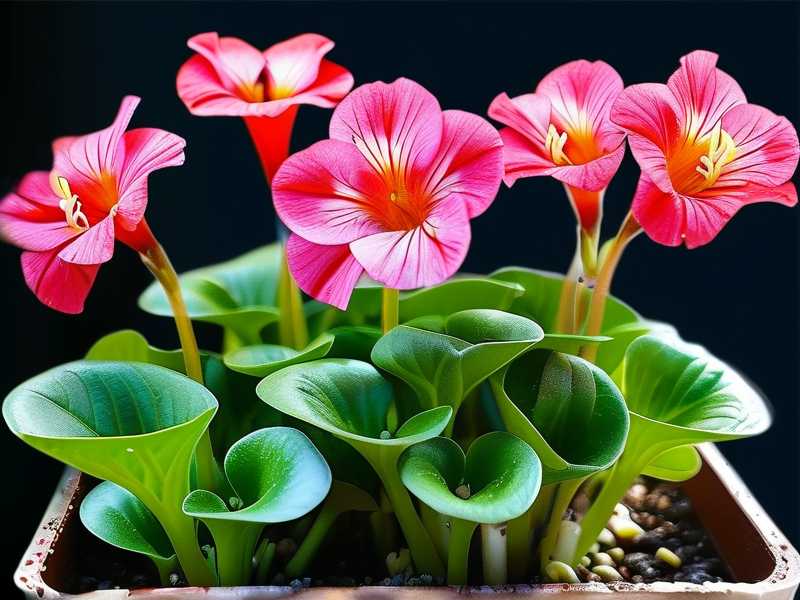
Honestly, learning how to grow begonias from tubers changed how I garden. These plants give you months of color for very little money. You buy dry tubers in late winter for a couple of dollars each, and by summer you've got cascading blooms in containers, hanging baskets, or border beds.
I'm writing this from my own messy experience. I've drowned tubers, baked them in full sun, and planted them upside down. So this guide is what I wish someone had told me at the start.
Why Begonias Are Worth Growing from Tubers
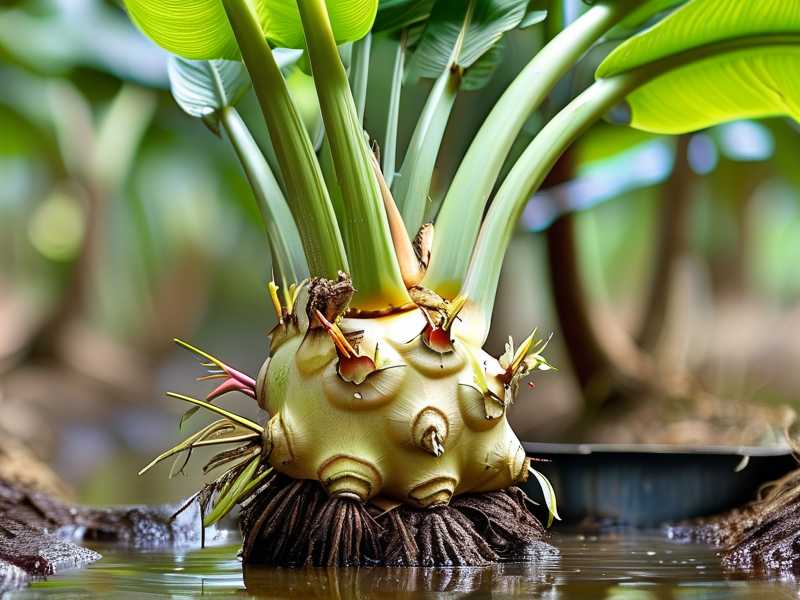
Tubers look like small brown rocks. Kind of ugly, honestly. But inside each one is a full season of flowers.
The most common type for home gardeners is the tuberous begonia. You'll see them sold as Begonia × tuberhybrida. They come in upright forms and trailing types. The trailing ones are perfect for hanging baskets. The upright ones work great in pots on a patio.
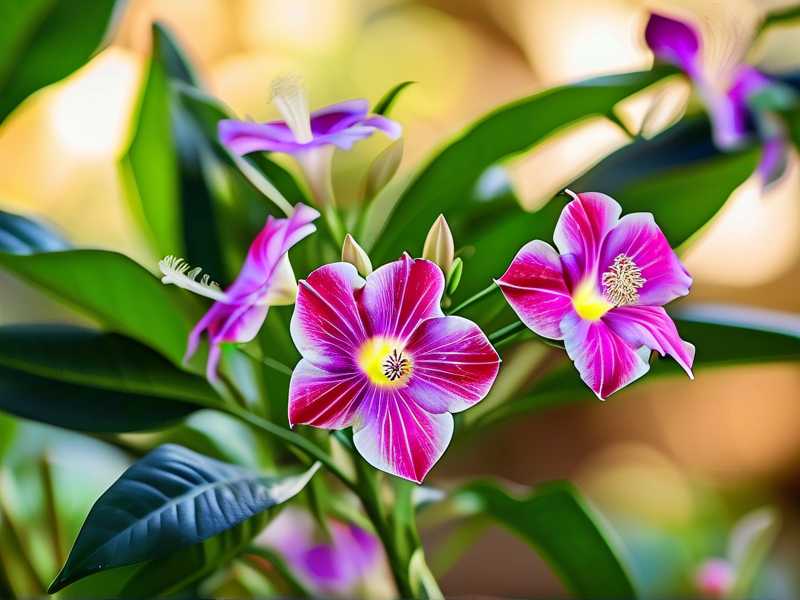
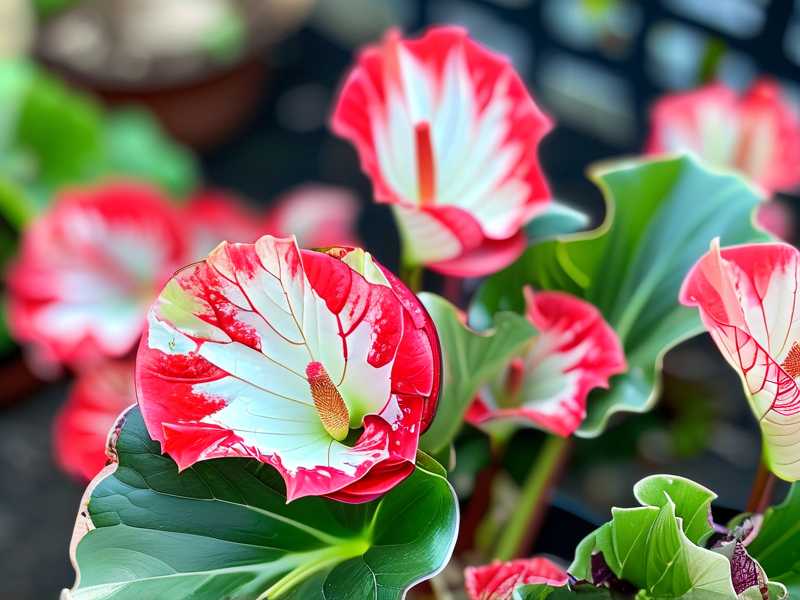
Colors range from white and cream to yellow, orange, peach, red, and deep rose. Some have double petals that look like tiny roses.
The RHS notes that tuberous begonias prefer partial shade and consistent moisture. That matches what I've seen. They hate drying out completely, but they also rot fast if the soil stays wet.
Difficulty level? I'd call it moderate. Not as easy as a marigold. Not as fussy as a calathea. The main challenge is getting the watering right.
Light: What Actually Works
Bright, indirect light is the sweet spot. Think morning sun and afternoon shade. Or dappled light under a tree.
If you give them full afternoon sun in a hot climate, the leaves will scorch. I learned this the hard way in my first summer. The edges of the leaves turned crispy brown within days.
Too little light is also a problem. The stems get leggy. Flower buds drop before opening. You end up with a sad, stretched plant that never really performs.
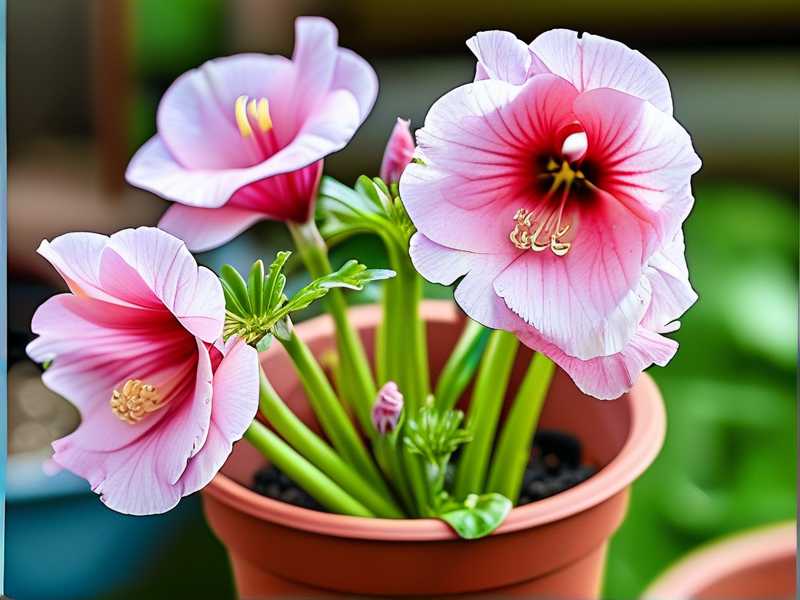
Here's a simple rule I follow: if the light feels comfortable for you to sit in for an hour without squinting, it's probably fine for begonias.
In the UK and northern US, a spot that gets 2 to 4 hours of gentle morning sun is ideal. In Australia and the southern US, aim for more shade. Maybe just filtered light all day.
Watering: The Make-or-Break Factor
90% of indoor plants die from overwatering. I believe that number is even higher for begonia tubers.
When tubers are first planted, they have no roots yet. They can't absorb much water. If you soak the soil, the tuber just sits in wet compost and rots. I lost two tubers this way before I understood.
The principle is simple: keep the soil barely moist until shoots appear. Then water more normally once the plant has leaves and roots.
I use a squeeze bottle to water around the edge of the pot during the early stage. Just a few tablespoons every few days. The soil should feel like a wrung-out sponge, not a wet dishrag.
Once the plant is growing, water when the top inch of soil feels dry. In summer, that might be every other day in a small pot. In cooler weather, maybe once a week.
Never let the pot sit in a saucer of water. Empty it after 15 minutes. Begonia tubers rot from the bottom up, and by the time you see yellow leaves, it's usually too late.
Soil and Potting: Get This Right
Tubers need air around them. Dense, heavy soil smothers them.
My go-to mix is two parts peat-free multipurpose compost, one part perlite, and one part fine bark. That gives you drainage and moisture retention at the same time. If you can't find bark, just use extra perlite.
For pots, choose something wider than deep. A shallow bulb pan works well. Tubers spread sideways, and they don't need deep roots.
Always use a pot with drainage holes. I once used a decorative ceramic pot without holes because it looked nice. The tuber rotted in ten days. Never again.
When planting, place the tuber hollow side up. The hollow side is where the shoots come from. If you can't tell which side is which, plant it sideways. It'll figure it out.
Barely cover the tuber with soil. A quarter inch is plenty. If you bury it deep, it wastes energy pushing through extra compost.
Repotting isn't really a thing for tuberous begonias the way it is for houseplants. You start fresh each season. But if you're overwintering tubers, you'll repot them each spring when you restart them.
Feeding: Less Is More
I use a balanced liquid fertilizer at half strength. Something like a 10-10-10 or a tomato feed.
Start feeding when the shoots are about two inches tall. Feed every two weeks until flowers start to open. Then switch to a higher-potash feed to support blooming.
Don't feed a dormant tuber. Don't feed a plant that's struggling with root rot. And don't feed in late summer when the plant is starting to wind down. That just encourages soft growth that dies back anyway.
The AHS recommends avoiding high-nitrogen fertilizers for tuberous begonias. Too much nitrogen gives you huge leaves and almost no flowers. I made that mistake once. The plant looked like a giant lettuce. Not one bloom.
Seasonal Care
Spring: Wake-Up Time
Start tubers indoors 6 to 8 weeks before your last frost date. I usually do this in late February or early March.
Place them in shallow trays with barely moist compost. Keep them at around 65 to 70°F. You'll see pink shoots in two to three weeks.
Once shoots are an inch tall, pot them individually into small pots. Grow them on in bright, indirect light.
This is also when you can divide large tubers if they have multiple growing points. I use a clean knife and dust the cut surfaces with sulfur powder.
Summer: Peak Season
This is when begonias shine. Keep them watered, fed, and shaded from harsh midday sun.
In hot climates, move containers to a spot that gets only morning sun. Increase watering frequency but never let the soil stay soggy.
Watch for powdery mildew in humid areas. Good air circulation helps. I space my pots at least a foot apart.
Deadhead spent flowers to keep new buds coming. I do this every few days with a pair of snips. It makes a real difference.
Autumn: Winding Down
As days shorten, the plants slow down. Reduce watering. Stop feeding.
Let the foliage yellow naturally. The plant is pulling energy back into the tuber. Don't cut leaves while they're still green.
Once the leaves fall off, stop watering entirely. Let the soil dry out.
Winter: Dormancy and Storage
This is where a lot of people lose their tubers. Either they leave them in wet soil and they rot, or they store them somewhere too warm and they shrivel.
I lift my tubers after the first light frost. I brush off the soil gently. I let them dry for a few days in a cool, airy spot. Then I store them in paper bags or cardboard boxes filled with dry vermiculite or peat.
Keep them at 40 to 50°F. A cool garage or basement works well. Check them once a month for signs of rot or shriveling.
If you garden in a frost-free climate, you can leave them in the ground year-round. Just mulch well to protect against occasional cold snaps.
Common Problems and Fixes
Yellow leaves usually mean overwatering. Check the soil. If it's wet, stop watering and let it dry out. If the tuber is mushy, it's gone. Start fresh next season.
Brown, crispy leaf edges are sunburn. Move the plant to a shadier spot.
Powdery mildew shows up as white dust on the leaves. Improve airflow. Remove affected leaves. A diluted milk spray can help if you catch it early.
Aphids and thrips are the main pests. A strong blast of water knocks them off. Insecticidal soap works for heavier infestations.
Bud drop is often caused by sudden temperature changes or inconsistent watering. Keep conditions stable.
Three Mistakes I See Beginners Make
First: Overwatering. I've done this more times than I want to admit. The tuber sits in wet soil, turns to mush, and that's the end. Wait until you see shoots before watering much.
Second: Wrong light. Full sun burns them. Deep shade makes them weak. They need that middle ground.
Third: Wrong pot. No drainage holes equals dead tuber. Always check.
FAQ
How long do begonia tubers take to sprout? Usually two to three weeks if kept warm and barely moist. Some take four weeks. Be patient.
Can I grow begonias from tubers indoors year-round? You can, but they need a dormancy period. Most people treat them as seasonal. Let them rest in winter.
Should I soak tubers before planting? No. I've tried it. Soaking often leads to rot. Plant them dry into barely moist soil.
Growing begonias from tubers isn't hard once you understand what they need. Start them early. Keep them moist but not wet. Give them gentle light. Feed lightly. Let them rest in winter. Do that, and you'll have blooms from early summer until frost. And honestly, the first time you see those shoots push through the soil, you'll be hooked.