bluename
How to Grow Fuchsias in Hot Climates (Full Guide)
I killed my first three fuchsias in one summer. All of them dried up, dropped their leaves, and turned into crispy sticks before August even ended. It was brutal. But after a few years of trial and error, I finally figured out how to grow fuchsias in hot climates without watching them die every single week. The secret? It's not about watering more. It's actually about watering less, shading them properly, and choosing the right container. If you live somewhere that regularly hits 90°F or higher, this guide is for you.
Why Fuchsias Struggle When It Gets Hot
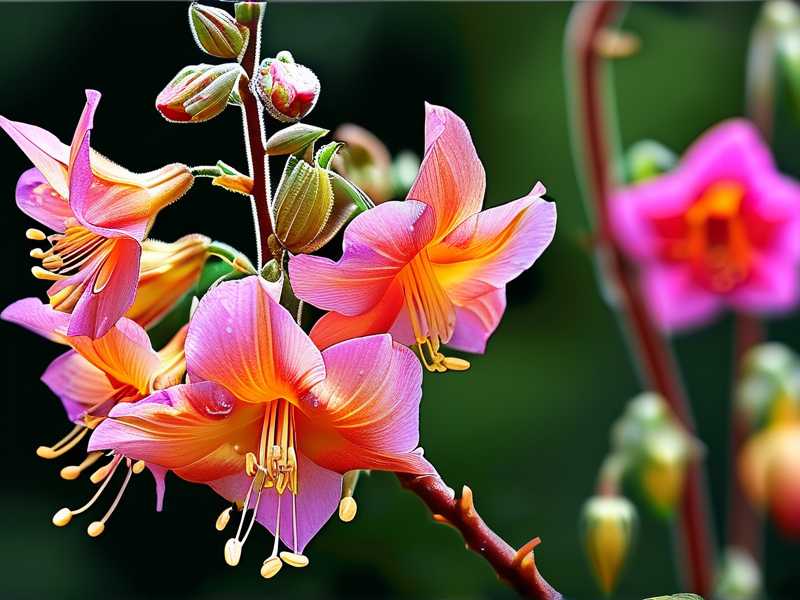
Fuchsias are native to cool, misty mountain regions in Central and South America. They love fog, gentle breezes, and temperatures between 60 and 75°F. Anything above 85°F makes them stressed. Their leaves start to curl. Blooms drop. Root systems panic.
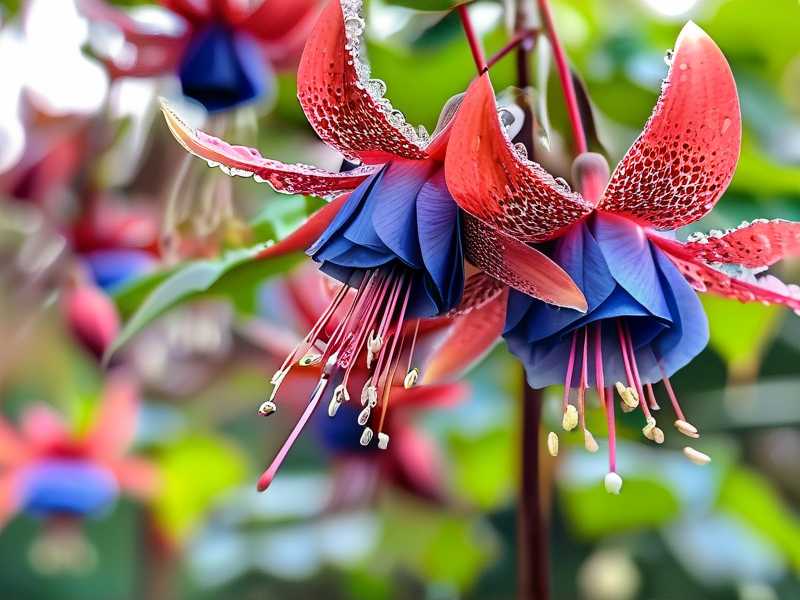
The RHS actually notes that most fuchsias perform best in partial shade, especially during the hottest part of the day. I learned this the hard way. My first fuchsia sat on a south-facing patio. By 2 PM, it looked like it had been through a blow dryer. That's when I realized: full sun in a hot climate isn't just unhelpful. It's deadly.
The One Thing I Wish I Knew Earlier
You cannot treat fuchsias like tomatoes or petunias. They are not sun lovers. In hot climates, they need protection. Not just a little. A lot.
I started growing mine in a spot that gets morning sun only, maybe four hours max. Afternoon shade is non-negotiable. I also started using shade cloth with 40% blockage from June through September. The difference was night and day. Plants that used to crisp up stayed green and actually bloomed.
Common Mistakes That Kill Fuchsias in Heat
I've made every mistake in the book. Let me save you some heartbreak.
Mistake #1: Overwatering
This is the big one. According to the AHS, 90% of indoor plants die from overwatering. That number is even higher for fuchsias in hot weather. Why? Because heat stress makes us want to water more. But fuchsia roots are thin and fragile. They rot fast in soggy soil.
I used to water every morning. Bad idea. The soil stayed wet. Roots suffocated. Leaves turned yellow and mushy. I lost two plants that way.
Now I water only when the top inch of soil feels dry. In 95°F weather, that might mean watering every other day. On cooler days, every three or four days. I stick my finger in the soil. If it's damp, I wait.
Mistake #2: Wrong Light
Fuchsias need bright, indirect light. Direct afternoon sun is a death sentence. I tried growing one under a pergola with dappled light. It thrived. Another one I put near a west-facing window indoors. It fried.
The fix? Morning sun, afternoon shade. Or use a sheer curtain indoors. Outdoors, place them under a tree or on a covered porch.
Mistake #3: Using the Wrong Pot
I once planted a fuchsia in a dark plastic pot. Big mistake. The pot absorbed heat, baked the roots, and held too much moisture. The plant died in ten days.
Now I use terracotta or light-colored ceramic pots. Terracotta breathes. It wicks away extra moisture. Light colors reflect heat. Also, make sure the pot has drainage holes. I mean real drainage holes. Not just one tiny slit.
My Two-Week Observation: What Actually Worked
I ran a little experiment last July. I took six fuchsias. Same variety. Same size. I put three in terracotta pots with morning sun only. I put three in plastic pots with afternoon sun.
I checked them every day for two weeks.
Day 1-3: Plastic pot group looked fine. Terracotta group looked fine. Day 4-6: Plastic pot group started drooping by 3 PM. Leaves felt hot. Day 7-9: Plastic pot group had yellow leaves. Blooms dropped. Day 10-12: Plastic pot group looked half dead. Terracotta group still green. Some new buds. Day 13-14: Plastic pot group was done. I tossed them. Terracotta group was thriving.
That settled it for me. Pot material matters more than I ever thought.
How to Water Fuchsias in Hot Climates
Forget schedules. Water by feel.
Stick your finger into the soil up to your first knuckle. If it's dry, water deeply until it runs out the bottom. If it's damp, skip it.
In extreme heat (95°F+), I water in the early morning. Never at noon. Never in the evening. Evening watering invites fungal problems.
I also use a moisture meter sometimes. It's cheap and takes the guesswork out. But honestly, your finger works fine once you get the hang of it.
Soil Mix That Actually Works
Regular potting soil holds too much water. I learned that after my second fuchsia drowned.
Now I mix my own. Three parts peat-free potting mix. One part perlite. One part orchid bark. That gives me drainage, airflow, and just enough moisture retention.
You can also buy a cactus mix and add a handful of compost. That works too. Just don't use garden soil. It compacts and turns into mud.
Mulch Is Your Friend
In hot climates, mulch keeps roots cool. I use a thin layer of shredded bark or coconut coir. Not too thick. Maybe half an inch. Thick mulch can trap moisture against the stem and cause rot.
I also add a few small stones on top of the soil. Sounds weird but it works. They shade the soil surface and slow evaporation.
Feeding Without Burning
Fuchsias are light feeders. Heavy fertilizer in hot weather burns roots.
I feed with half-strength liquid seaweed every two weeks. That's it. No high-nitrogen stuff. That promotes leafy growth that heat will just fry.
I tried a slow-release fertilizer once. It released too fast in the heat and burned the plant. Now I stick with diluted liquid feed.
Pruning for Shape and Survival
In hot climates, I prune lightly in early spring. I remove dead or crossing branches. I pinch back tips to encourage bushiness.
But I stop pruning by mid-summer. New growth is tender. Heat scorches it.
If a plant gets leggy, I trim it back in late summer after the worst heat passes. That gives it time to recover before fall.
Choosing Heat-Tolerant Varieties
Not all fuchsias are created equal. Some handle heat better.
I've had good luck with 'Gartenmeister Bonstedt'. It's a triphylla type. It tolerates more sun and heat than most.
'Thalia' is another good one. It has orange-red blooms and loves partial shade.
Avoid the fancy double-flowered hybrids. They look amazing but melt in heat. I learned that after spending $18 on a beautiful 'Swingtime' that died in four days.
Indoor Growing in Hot Climates
If you grow fuchsias indoors, air conditioning helps. But it also dries the air. Fuchsias love humidity.
I run a small humidifier near mine. Or I set the pot on a tray of pebbles with water. Just don't let the pot sit in water. That causes rot.
I also keep mine near an east window. Morning light only. No south or west windows in summer.
What About Hanging Baskets?
Hanging baskets dry out fast in heat. Really fast.
I line mine with coconut coir instead of moss. Coir holds moisture better and doesn't sour.
I also check them twice a day in a heatwave. Sometimes I bring them inside during the hottest hours. Sounds fussy but it saves them.
Pests and Problems in Heat
Spider mites love hot, dry conditions. They suck sap and leave tiny webs.
I spray my plants with water every few days to raise humidity. That keeps mites away.
Aphids also show up. I blast them off with a hose or use insecticidal soap. I avoid harsh chemicals because they stress the plant more.
Frequently Asked Questions
Can fuchsias survive 100°F weather?
Barely. They won't thrive. They might survive if they're in deep shade and get watered carefully. But most will drop blooms and look sad until it cools down. I move mine indoors if temps go above 95°F for more than a few days.
Why are my fuchsia leaves turning yellow in summer?
Usually overwatering. Or heat stress. Check the soil first. If it's soggy, let it dry out. If it's dry and the plant is in full sun, move it to shade. Yellow leaves can also mean nutrient deficiency, but in heat, it's almost always water or light.
How often should I water fuchsias in hot weather?
Every other day in 85-90°F. Every day in 90°F+ if they're in small pots. But always check the soil first. Never water on a schedule. That's how you kill them.
Final Thoughts
Growing fuchsias in hot climates is not impossible. It's just different. You can't treat them like sun-loving annuals. You have to respect their cool-weather origins.
Give them morning sun. Afternoon shade. Terracotta pots. Light watering. A little humidity. And patience.
I still lose one every now and then. But I've gone from killing three in a summer to keeping eight alive through a brutal heatwave. That's progress. And you can do it too.