 bluename
 How to Grow Oxalis from Bulbs: A Complete Guide for Real Homes
If you've ever bought a pot of oxalis at the nursery, watched it thrive for three weeks, then collapse into a sad pile of yellow stems, you're not alone. I've killed my fair share of these plants. The good news? Learning how to grow oxalis from bulbs is actually one of the more forgiving gardening projects once you understand a few quirks.
I'm talking about the triangularis type with purple leaves, the adenophylla with silvery clover-like foliage, and the classic green wood sorrel that pops up in spring. They all grow from little bulbs, corms, or tuberous roots. For simplicity, I'll just call them bulbs.

The short version: plant them pointed side up about 2 inches deep in well-draining soil, water lightly until sprouts appear, then keep them bright but not blazing. That's it. The rest of this guide fills in the details I wish someone had told me five years ago.
Why I Gave Up on Oxalis (And Then Came Back)
My first oxalis was a gift. A gorgeous purple shamrock in a tiny ceramic pot. I watered it every day because it looked thirsty. Big mistake. That's how I learned the hard way that these plants store water in their bulbs. Within ten days, the bulbs were mush.
I tried again six months later with a different approach. Sandy soil mix, a terracotta pot, and a strict "only water when dry" rule. That plant lived for three years. I've been hooked ever since.
According to the Royal Horticultural Society (RHS), oxalis bulbs rot easily in waterlogged conditions. They recommend a free-draining compost and letting the surface dry between waterings. That matches exactly what I've seen at home.
Light: Where Most People Get It Wrong
Oxalis is not a low-light houseplant. I don't care what that little care tag says.
In my south-facing window, my purple oxalis gets four to five hours of direct morning sun, then bright indirect light all afternoon. It grows compact and the leaves stay deep purple. When I moved a spare pot to a north-facing room, the stems stretched so thin they couldn't hold themselves up.
Here's the balance:
- Too little light: leggy, pale leaves, no flowers, weak stems - Too much midday sun in summer: scorched leaf edges, crispy brown tips - Just right: bright light with protection from harsh afternoon sun in hot climates
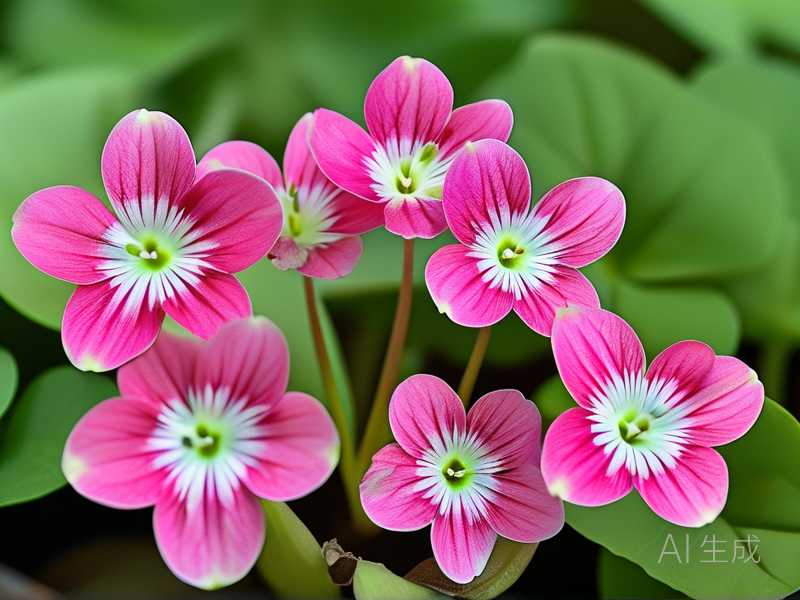
For my friends in Arizona and Australia, I always say: morning sun only. For those in the UK or Pacific Northwest, give them as much sun as you can find.
Watering: The Rule That Saved My Plants
I'll say it plainly: 90% of indoor plants die from overwatering. Oxalis is no exception. In fact, it might be more sensitive than most.
The bulbs hold moisture. If the soil stays wet, they turn to brown mush. You won't notice until the leaves yellow and flop over. By then, it's usually too late.
My watering routine now:
Spring and summer (active growth): water thoroughly when the top inch of soil feels dry. That's roughly every 5 to 7 days in a warm room. After watering, empty the saucer. Never let the pot sit in water. Fall (as leaves yellow): cut back to every 10 to 14 days. Winter (dormant): almost no water. Maybe a tablespoon every three weeks just to keep the bulbs from shriveling completely.
I keep a cheap moisture meter stuck in one of my pots. It cost eight dollars and has saved me from myself more times than I can count.
Soil and Repotting: Skip the Miracle-Gro
Oxalis bulbs hate heavy, peat-based potting mixes that stay soggy. I learned this after losing a beautiful adenophylla to root rot in standard indoor potting soil.
My go-to mix now:
2 parts potting soil 1 part coarse perlite 1 part horticultural sand or fine gravel
That gives you a gritty, fast-draining blend. The American Horticultural Society (AHS) also recommends adding extra perlite for bulb plants. I've found that a handful of small pumice stones at the bottom of the pot helps too, though you still need drainage holes.
Pot choice matters. Terracotta is my favorite because it wicks away extra moisture. Plastic works if you're careful. Glazed ceramic without drainage holes? Don't do it. Just don't.
Repot every 2 to 3 years, right before the growing season starts. I do mine in early spring when I see the first tiny sprout poking through. Gently brush off old soil, remove any soft or smelly bulbs, and replant in fresh mix.
Fertilizing: Less Is More
I made the mistake of fertilizing my oxalis every two weeks with a general houseplant food. The leaves grew huge and floppy. The plant looked bloated, for lack of a better word.
Now I use a diluted liquid fertilizer at half strength, once a month during active growth. That's it. No feeding in fall or winter.
A balanced 10-10-10 works fine. Some growers prefer a bulb-specific formula with more phosphorus for flowers. I've tried both and honestly can't tell much difference. What matters more is not overdoing it.
Never fertilize a dry plant. Water first, then feed. And never feed a dormant plant. The bulbs aren't taking up nutrients, so the salts just build up in the soil.
Seasonal Care: What I Do Month by Month
Spring: Wake-Up Time
This is when the action happens. New sprouts emerge from the bulbs. I move my pots to the brightest spot I have.
I water a bit more frequently now, but still let the top inch dry out. I start fertilizing at half strength once a month. If the plant looks crowded, I repot.
I also trim off any old, dead stems from last year. Cut them at soil level with clean scissors. Don't tug, or you might dislodge neighboring bulbs.
Summer: The Tricky Season
Hot weather stresses oxalis. In my Zone 7 garden, I move pots away from the south window by late June. They get morning sun only.
I check soil moisture every three days. In a heatwave, I might water every four days, but I still wait for that top inch to dry. Overwatering in summer is just as deadly as in winter, because warm, wet soil breeds fungus.
I keep a small fan running in my plant room. Good air movement prevents powdery mildew and keeps the bulbs from staying damp.
Pests to watch: spider mites love dry, hot air. I wipe leaves with a damp cloth once a week and inspect the undersides. If I see webbing, I isolate the plant and spray with insecticidal soap.
Fall: Slow Down
The leaves start to yellow and droop. This used to panic me. Now I know it's normal. The plant is going dormant.
I stop fertilizing completely. I reduce watering to every 10 to 14 days. I let the leaves die back naturally instead of cutting them while still green. The plant pulls energy back into the bulbs.
Once the foliage is fully brown and crispy, I cut it off at soil level. The pot goes to a cool, dark spot for the winter.
Winter: Dormancy and Survival
My dormant pots sit in an unheated basement room that stays around 50°F (10°C). No light needed. No fertilizer. I give them about a tablespoon of water every three weeks.
If you don't have a cool spot, a closet works. Just keep them away from heating vents. Warmth during dormancy can wake the bulbs too early, which leads to weak, spindly growth in low winter light.
Some people dig up the bulbs and store them in paper bags with dry peat. I've tried that. It works, but I find leaving them in their pots is less fuss. Just make sure the soil is barely moist, not bone dry.
The Three Mistakes That Kill Most Oxalis
Let me be blunt. These are the ones I see over and over.
Mistake 1: Watering too much
This is the big one. People see drooping leaves and think "thirsty." But drooping can also mean "soggy roots." Always check the soil first. Stick your finger in. If it's wet, do not water.
Mistake 2: Putting it in the wrong light
Oxalis is not a dungeon plant. It needs bright light. But a south window in Phoenix in July will cook it. Know your climate. Adjust seasonally.
Mistake 3: Using a pot without drainage
I don't care how pretty that ceramic cachepot is. If it has no hole, your oxalis will die. Water collects at the bottom. Bulbs rot. Game over.
My 2-Week Observation Experiment
Last spring, I decided to test two watering schedules on identical oxalis bulbs. Same soil, same pot size, same window.
Pot A: watered when top inch was dry (about every 6 days) Pot B: watered every 3 days on a fixed schedule
After 2 weeks:
Pot A: 5 healthy sprouts, dark green leaves, sturdy stems Pot B: 2 sprouts, yellowing leaf tips, one bulb already soft and brown
That's a 14-day difference. No fancy equipment needed. Just patience and a finger in the soil.
FAQs
How long do oxalis bulbs take to sprout?
Usually 2 to 4 weeks after planting, depending on soil temperature. Mine sprout faster when the soil is around 65°F to 70°F.
Can I grow oxalis from bulbs indoors year-round?
Yes, but they need a dormant period. If you never let them rest, they'll weaken and stop flowering. Give them 8 to 10 weeks of cool, dry dormancy in winter.
Why are my oxalis leaves turning yellow?
Most often, it's overwatering. Let the soil dry out more between waterings. If it's fall, yellowing is normal dormancy. Check the season before you panic.
Final Thoughts
Growing oxalis from bulbs isn't complicated. It just requires restraint. Less water, brighter light, and a gritty soil mix. That's the whole secret. I went from killing every oxalis I touched to having six pots that come back year after year. If I can do it, you can too. Just stop watering so much. Your bulbs will thank you.




