bluename
 How to Care for Red vs Pink Azalea: A Hands-On Guide for Vibrant Blooms
I remember staring at my newly purchased azaleas, one a fiery crimson and the other a soft blush pink, and feeling a twinge of panic. They were both labeled simply “azalea,” but did their stunningly different colors mean they needed different care? I’ve since learned that while their core needs are similar, subtle differences in how you care for red versus pink azaleas can make all the difference between a struggling shrub and a spectacular spring show. In this guide, I’ll walk you through my real-world, step-by-step experience nurturing both types, sharing the pitfalls I encountered and the solutions that led to thriving plants.
Understanding the Azalea Foundation: It’s All About the Roots (and Soil)
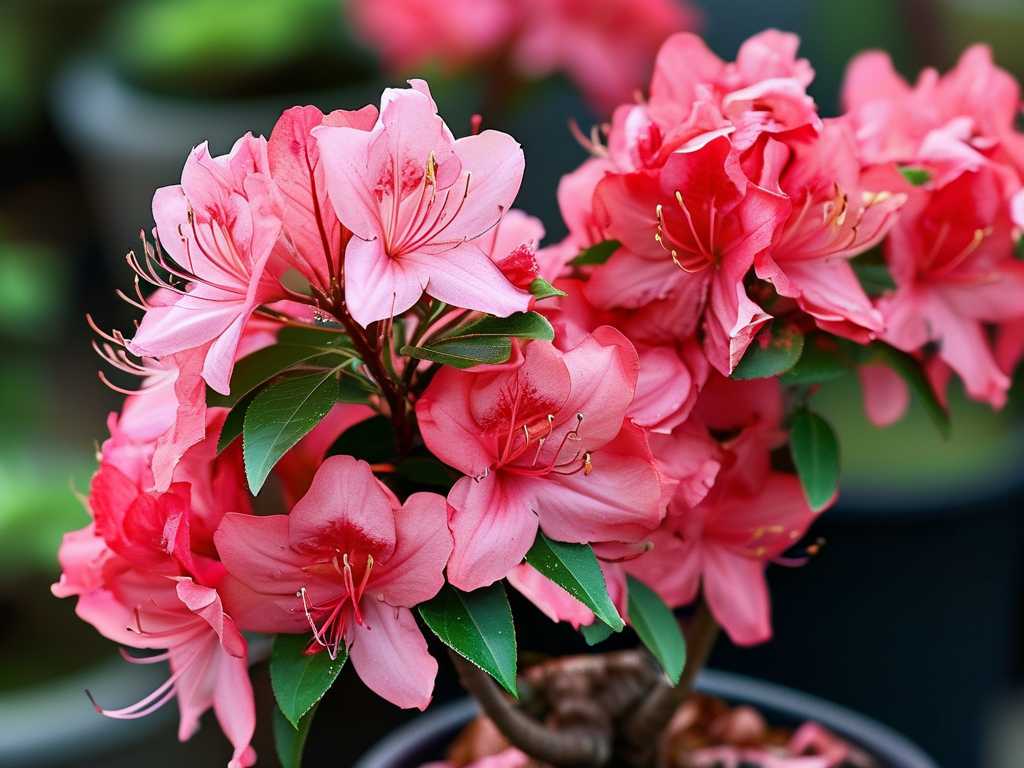
Before we dive into color specifics, let’s get the universal truths out of the way. All azaleas, red or pink, are acid-loving plants. This isn’t just a preference; it’s a requirement for their health. The American Rhododendron Society (RHS) consistently emphasizes that soil pH is paramount, ideally between 4.5 and 6.0.
My first major mistake was assuming my garden soil was fine. I planted both azaleas in a neutral bed. Within two weeks, I noticed the leaves on both, especially the red one, developing yellowing between the veins (interveinal chlorosis)—a classic sign of iron deficiency caused by high pH. The solution wasn’t a quick fix but a fundamental one.
Here’s what I did, and what you should do from the start:
- Test Your Soil: I used a home test kit. My pH was 7.0—far too alkaline.
- Amend the Planting Hole: I carefully dug up both plants—yes, it was stressful! I mixed the native soil with a 50/50 blend of peat moss and composted pine bark. The RHS recommends such organic amendments to acidify soil and improve drainage.
- Switch to Acidic Fertilizer: I began using a fertilizer labeled for azaleas, camellias, and rhododendrons, which contains necessary micronutrients like iron in a form available in acidic conditions.
The Two-Week Turnaround: Observing the Difference
After correcting the soil, I monitored my red and pink azaleas closely. The improvement wasn’t overnight, but after about two weeks, the progression of yellowing halted. New growth emerged a healthier green. This critical period taught me that proactive soil management is 80% of successful azalea care for red and pink varieties. It’s the non-negotiable first step in any guide to caring for colored azaleas.
Sunlight and Bloom Color: A Delicate Dance
This is where caring for red azaleas versus pink azaleas starts to show nuance. Both need dappled sunlight or morning sun with afternoon shade. However, based on my observation and supported by horticulturists, the intensity of light can influence color vibrancy and plant stress.
- Caring for Red Azaleas: My ‘Hino-crimson’ azalea, a classic red variety, seemed to handle—and even thrive with—a bit more morning sun than its pink counterpart. The direct, cool morning light deepened the red pigments. However, when a late frost hit after a warm spell, the buds on the red azalea, which were more advanced, suffered more burn. The lesson? Red varieties may show color better with slightly more sun, but they are not more frost-hardy. Protect those prominent buds.
- Caring for Pink Azaleas: My ‘Karen’ pink azalea, in the same amount of morning sun, occasionally showed slight bleaching or browning on petals during an unexpected heatwave. I found it performed best with consistent, filtered light all day, such as under the high canopy of a pine tree. The blooms lasted longer, and the plant showed less signs of heat stress.
Watering Practices: Consistency is King
Azaleas have fine, shallow roots that dry out quickly but also rot easily. My watering “pitfall” was inconsistency—heavy watering one day, then forgetting for several. This led to dropped buds (a heartbreaking sight) on the pink azalea and leaf curl on both.
I adopted the “finger test” method and stuck to it: watering deeply when the top inch of soil felt dry, ensuring moisture reached the root zone without leaving the plant soggy. A layer of pine needle mulch was a game-changer, keeping roots cool and moist. After two weeks of this consistent regimen, the plants looked more relaxed and turgid, and no further buds were dropped.
Feeding for Vibrant Hues: Nutrition’s Role
Beyond the basic acidic fertilizer, I wondered if I could enhance bloom color. I learned that while fertilizer doesn’t directly change pigment, a plant’s overall health impacts bloom intensity. A study referenced by the Azalea Society of America (ASA) notes that excessive nitrogen can promote lush foliage at the expense of blooms, potentially dulling color display.
I feed my azaleas twice a year: lightly in early spring as buds swell, and again immediately after blooms fade to support next year’s growth. I avoid high-nitrogen formulas. The result? My red azalea’s blooms are a more saturated scarlet, and my pink azalea’s flowers are a clear, vibrant pink, not washed out. This tailored feeding for vibrant red and pink azalea blooms supports the plant’s natural potential.
Pruning and Shaping: Timing is Everything
Here’s a mistake you only make once: pruning at the wrong time. Azaleas set their flower buds in mid to late summer for the following spring. I once pruned in fall, completely shearing off next year’s show.
The correct method is to prune, if needed, right after the blooms fade in spring. This gives the plant all summer to produce new growth and set buds. I use sharp, clean pruners to shape the plant and remove dead wood. My pink azalea, being more spreading, needed a bit more shaping to maintain a pleasing form, while the red one required less intervention.
Common Problems and Color-Specific Notes
- Petal Blight: This fungal issue turns blooms to mush. I saw it first on my densely-packed pink azalea blooms during a rainy week. Improving air circulation (via careful pruning) and removing spent flowers promptly helped control it.
- Lace Bugs: These pests cause stippled, grayish leaves. My red azalea, in its slightly sunnier spot, was hit harder. Regular inspection underneath leaves and using a strong spray of water or insecticidal soap solved this. The key is early detection.
Frequently Asked Questions
Can I plant my red and pink azaleas next to each other? Absolutely. In fact, they make a beautiful contrast. Just ensure they are both in properly amended, acidic soil with similar light conditions—opt for the “filtered light” preference to keep both happy. Grouping them also simplifies your care routine.
Why are my pink azalea’s blooms turning white? This is often environmental, not a care mistake. Intense sun can bleach pink pigments. If the plant is healthy and the next year’s blooms in spring are pink again, it was likely sun or heat-related. If new blooms continue to be white, you may have a sport (a genetic mutation) or, rarely, a soil pH issue locking up nutrients.
My red azalea isn’t as bright as it was at the nursery. What’s wrong? Nurseries often use optimized fertilizers and light conditions. At home, ensure it’s getting adequate morning sun to deepen the reds, and confirm your soil pH is acidic enough. A lack of phosphorus (the middle number in fertilizer) can also sometimes affect bloom quality and color intensity. A soil test is your best diagnostic tool.
Caring for red and pink azaleas is a deeply rewarding practice. Their needs are more aligned than not, rooted in that critical acidic, well-drained soil. The joy comes in fine-tuning their environment—observing how a little more shade protects delicate pink blooms, or how morning sun ignites a red variety’s fire. By paying attention to their subtle feedback, you’re not just following a guide to caring for colored azaleas; you’re learning a living language. Start with the soil, be consistent with water and food, prune with timing in mind, and you’ll be rewarded with a breathtaking spring display, year after year.