 bluename
 How to Care for Red vs Orange Azalea: A Hands-On Guide for Vibrant Blooms
I’ve lost count of how many times I’ve seen fellow gardeners’ faces fall when their brilliantly colored azaleas fade, drop buds, or just refuse to thrive. The most common question I get is: “Are they all cared for the same way?” After years of growing both fiery orange and classic red azaleas side-by-side, I can tell you—while the fundamentals are similar, the devil is in the details. Getting those red vs orange azalea care routines precisely right is what separates a good shrub from a breathtaking, show-stopping one. In this guide, I’ll walk you through my real-world, step-by-step process, including the mistakes I’ve made and exactly how I corrected them, so you can enjoy a spectacular display season after season.
Understanding Your Azalea’s Core Needs
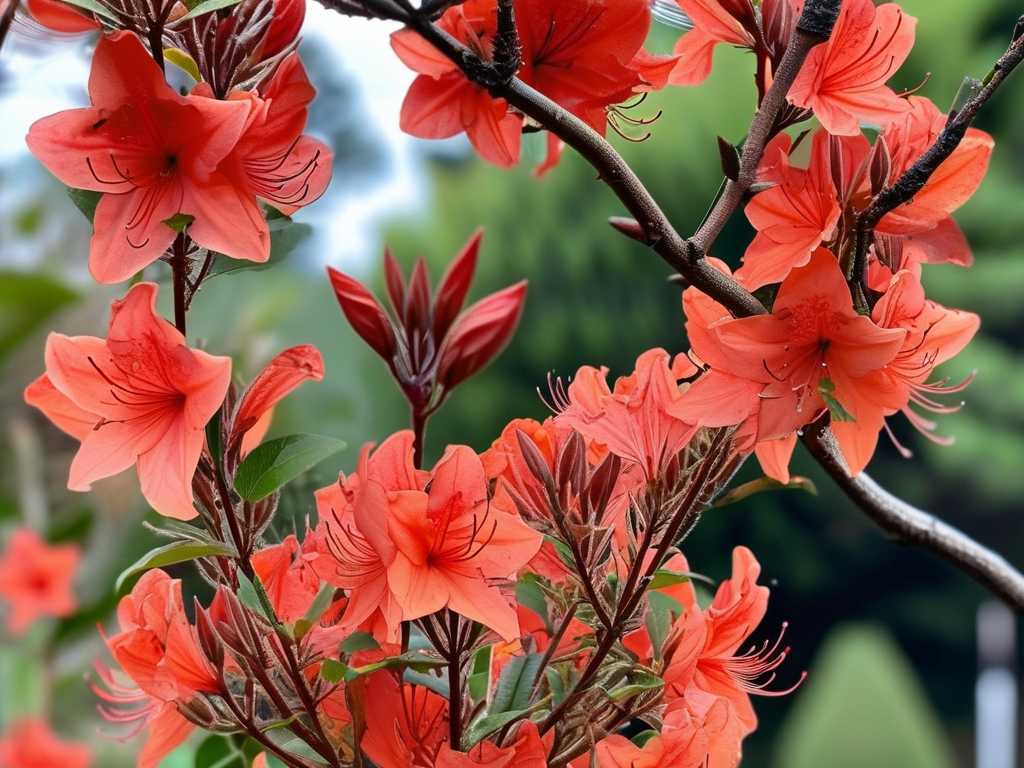
Before we dive into the color-specific nuances, let’s establish the non-negotiables that all azaleas demand. Think of this as the foundation of your plant’s health.
First and foremost is soil acidity. Azaleas are acid-loving plants, period. The American Rhododendron Society (ARS) consistently emphasizes that a soil pH between 4.5 and 6.0 is critical for nutrient uptake. I learned this the hard way with my first ‘Hino-crimson’ red azalea. It was languishing, with yellowing leaves despite regular feeding. A simple soil test revealed my pH was nearly neutral. The fix? I incorporated a generous amount of peat moss and composted pine bark into the planting bed and began using a fertilizer formulated for acid-loving plants. Within about 2 weeks, I observed the yellow leaves beginning to green up from the veins outward—a clear sign of recovering iron availability.
Watering is the next make-or-break factor. Their shallow, fibrous roots need consistent moisture but absolutely despise “wet feet.” My method is the finger test: I water deeply when the top inch of soil feels dry, ensuring the water penetrates the root zone. Overhead watering can promote fungal diseases, so I always water at the base. A layer of organic mulch like pine needles or shredded oak leaves is a game-changer. It keeps roots cool, conserves moisture, and slowly acidifies the soil as it breaks down.
Light requirements are where we start to see the first major divergence between red and orange varieties, which I’ll detail in the next section.
Tailoring Care for Red Azalea Varieties
Red azaleas, like the popular ‘Hershey’s Red’ or ‘Red Ruffles’, often have deeper, richer pigments. From my observation, these varieties can be slightly more forgiving of brighter light, but they also use that light differently.
Light and Location for Red Azaleas I’ve found my red azaleas perform best with morning sun and afternoon dappled shade. A full day of intense, direct afternoon sun can lead to scorched leaves and faded flower color. I planted my ‘Hino-crimson’ in an east-facing location where it gets about 4-5 hours of direct morning light. This seems to be the sweet spot for encouraging abundant bud set while protecting the foliage. The Royal Horticultural Society (RHS) advises that many red-flowered ericaceous plants benefit from protection from the hottest sun to preserve bloom color, which aligns perfectly with my experience.
Feeding and Bloom Boosting for Red Azaleas The goal with reds is to support deep, vibrant color without pushing excessive leafy growth at the expense of flowers. I use a balanced, slow-release acidic fertilizer in early spring as new growth emerges. A mistake I made was applying a high-nitrogen fertilizer too late in the season; it resulted in lush, soft new growth that was vulnerable to early frost damage. Now, I stop all feeding by mid-summer to allow the plant to harden off properly. To specifically enhance bloom vitality, I ensure the soil has adequate phosphorus. A top-dressing of bone meal in the fall, worked gently into the mulch layer, has given my red azaleas a noticeable boost in bloom size and density the following spring.
Mastering the Care for Orange Azalea Varieties
Orange azaleas, such as the stunning ‘Gibraltar’ or ‘Klondyke’, bring a unique, sun-like warmth to the garden. Their care has some specific twists, particularly regarding light exposure and nutrient balance.
Sunlight Requirements for Orange Azaleas If red azaleas like gentle morning sun, many orange varieties seem to crave a bit more brightness to achieve their most intense, fiery hue. My ‘Gibraltar’ azalea was initially planted in partial shade. While it grew, the blooms were a pale, washed-out apricot, not the brilliant orange I expected. After consulting resources from the Azalea Society of America (ASA), I carefully transplanted it the following spring to a spot with nearly full morning sun and filtered afternoon light. The transformation over the next growing season was remarkable. The 2-week peak bloom period was a spectacle of vivid, tangerine-orange flowers. The key lesson: orange pigments often need more light energy to develop fully.
Nutritional Focus for Vibrant Orange Blooms For orange azaleas, I pay extra attention to potassium levels. Potassium is crucial for overall plant vigor, disease resistance, and, importantly, flower color intensity. A deficiency can lead to dull colors. I add a bit of greensand or use a fertilizer with a slightly higher potassium ratio (the third number in the N-P-K) for my orange varieties in early spring. Another trick I’ve adopted is using well-composted oak leaf mulch. As it decomposes, it not only acidifies the soil but also seems to provide a broad spectrum of trace minerals that support the complex pigment development in orange blooms.
My Side-by-Side Two-Week Observation Journal
To truly nail down the differences, I conducted an intentional observation last spring. I tracked a mature ‘Red Ruffles’ and a ‘Gibraltar’ azalea, planted in their optimized locations, for the critical 2-week period from tight bud stage through peak bloom.
- Week 1 (Bud Swell): The red azalea buds were a deeper maroon and seemed to develop slightly slower. The orange azalea buds, a lighter green-orange, swelled more quickly, likely fueled by its sunnier spot. I maintained even moisture for both.
- Mid-Point (First Blooms): The first ‘Red Ruffles’ flowers opened to a classic, deep crimson. The ‘Gibraltar’ exploded with its first blooms, a bright orange that almost glowed in its sunlit location. I noted no bud drop on either plant—a sign of good hydration and no late frost damage.
- Week 2 (Peak and Fading): The red azalea maintained a very consistent, dark color throughout the week. The orange azalea’s color intensified under sunny days. By the end of the week, flowers on the red azalea in direct afternoon sun showed slight bleaching on the edges, confirming its need for shade. The orange azalea showed no bleaching but required more frequent watering due to its sunnier, slightly drier location.
This hands-on comparison was invaluable. It proved that micro-managing their sun exposure and watering accordingly is the single biggest factor in achieving and maintaining their ideal colors.
Common Problems and Solutions for Both Colors
Even with perfect placement, issues arise. Here’s how I’ve tackled them.
Leaf Chlorosis (Yellowing Leaves): This is almost always a soil pH issue locking up iron. My solution is consistent: apply a liquid chelated iron supplement according to label directions. The green usually returns within 2 weeks. For long-term correction, I add soil sulfur in the fall to gently lower pH.
Lace Bugs: These pests cause stippled, grayish leaves. I inspect the undersides of leaves regularly in early summer. A strong blast of water can dislodge nymphs. For heavier infestations, I use insecticidal soap, applying it directly to the leaf undersides in the early morning. Neem oil is another effective, organic option I rotate in to prevent resistance.
Bud Blast (Failure to Open): This heartbreaking problem is often due to late frosts or irregular watering during bud development. My preventative measure is to ensure consistent soil moisture in fall when buds are forming and in spring as they swell. If a late frost is forecast, I lightly cover the shrubs with frost cloth.
What is the absolute best time to plant red or orange azaleas? Early fall is ideal. The soil is warm, which encourages root growth, and the cooler air reduces transplant stress. This gives the plant months to establish before the heat of summer. Spring planting is also successful, but you must be vigilant about watering.
Can I use coffee grounds to acidify the soil for my azaleas? Used coffee grounds can be a mild amendment, but they are not a reliable way to significantly lower soil pH. They are better added to your compost pile first. For direct pH correction, rely on elemental sulfur or fertilizers designed for acid-loving plants, as recommended by soil test results.
My azalea is dense and healthy but doesn’t bloom much. Why? The most likely culprit is too much shade, especially for orange varieties. Pruning at the wrong time is another common cause. Azaleas set buds on old wood shortly after spring blooming. If you prune in late summer or fall, you’re cutting off next year’s flowers. Always prune, if needed, just after the spring blooms fade.
Growing stunning red and orange azaleas is deeply rewarding. It requires understanding their shared love for acidic soil and consistent moisture, while also respecting their individual needs—softer light for the reds to deepen their drama, and brighter exposure for the oranges to ignite their fire. By observing your plants closely, adjusting care based on their response, and learning from the inevitable hiccups, you’ll be able to create a vibrant, long-lasting display that becomes the highlight of your spring garden.





