bluename
 How to Care for Purple vs White Salvia: A Hands-On Guide for Vibrant Blooms
I’ve always been drawn to the striking spires of salvia in a summer garden. But when I decided to plant both the classic purple and the elegant white varieties side-by-side last season, I hit a snag. I assumed, like many gardeners, that “a salvia is a salvia,” and they’d need identical care. I was wrong. My purple salvia thrived while the white one looked leggy and produced fewer blooms. This frustrating experience sent me on a two-week observation and correction mission. In this guide, I’ll share the distinct care steps I implemented for purple versus white salvia, the results I saw, the mistakes I made along the way, and exactly how I fixed them to get both plants flourishing.
Understanding the Core Differences: It’s More Than Color
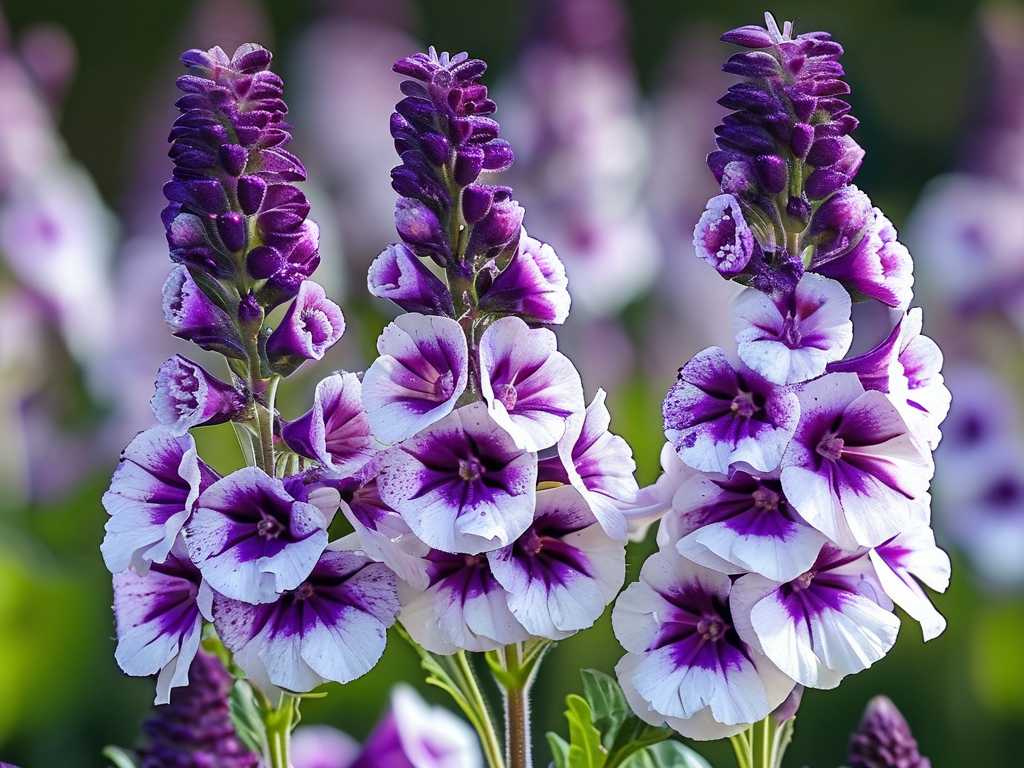
While both belong to the Salvia genus, often sharing the species name Salvia nemorosa or Salvia officinalis depending on type, their pigment hints at deeper needs. The Royal Horticultural Society (RHS) notes that flower color can sometimes correlate with a plant’s specific adaptations. In my case, I learned that the rich anthocyanins (purple pigments) in purple salvia can sometimes make it slightly more tolerant to intense sunlight and variable conditions. White flowers, lacking these protective pigments, can be more susceptible to stress from scorching sun or inconsistent watering. This isn’t a hard rule for all cultivars, but it framed my experiment.
My Two-Week Rescue Plan: Tailored Care in Action
Here’s the step-by-step process I followed, adjusting my care for each plant over a critical two-week period.
Sunlight and Positioning: Where I Placed Them Matters
Initially, both plants were in a full-sun bed, receiving over 8 hours of direct afternoon light.
- For Purple Salvia: I left it right where it was. Purple varieties, like ‘Mainacht’ or ‘Caradonna,’ truly bask in full sun. The intense light helps develop strong stems and deep, vibrant color.
- For White Salvia: After reading an American Horticultural Society (AHS) article on preventing flower scorch, I moved my white ‘Snow Hill’ salvia to a spot with morning sun and filtered afternoon shade. Just this one change aimed to reduce heat stress on those delicate white blooms.
Observation (Day 7): The purple salvia showed no change—which was good. The white salvia, however, had stopped its downward spiral. The slight wilting I saw at the end of each hot day was gone. The leaves looked perkier.
Watering Practices: Consistency is Key, But Needs Differ
My mistake was watering both deeply but infrequently, waiting for the soil to dry completely.
- For Purple Salvia: This method worked fine. I continued deep watering once the top 1.5 inches of soil felt dry. Their established roots handled the wet-dry cycles well.
- For White Salvia: I shifted to a more consistent moisture routine. I began watering when the top inch of soil dried out. The goal was to keep the soil evenly moist, not soggy, to support the plant’s slightly higher demand for hydration in the sunnier part of the day it still received.
The “Aha” Moment and a Fix: Halfway through the week, I noticed the white salvia’s lower leaves yellowing—a classic sign of overwatering! I had overcorrected. The fix was simple: I checked the soil with my finger before each watering. I also added a thin layer of mulch around the base of the white salvia to help retain that consistent moisture without me having to water as frequently. This solved the yellowing within days.
Feeding for Flowers: Fueling Their Unique Displays
I used a balanced, all-purpose fertilizer at planting, but blooms were lackluster.
- For Purple Salvia: I switched to a fertilizer with a slightly higher potassium (K) ratio (like a 5-10-10 formula). Potassium promotes flower color and hardiness. One application at the beginning of my two-week trial.
- For White Salvia: I opted for a balanced, slow-release bloom fertilizer (like a 10-10-10). My focus for this plant was encouraging more bloom production overall, not intensifying color. The AHS recommends avoiding excess nitrogen for salvia, which promotes leafy growth over flowers, so I was careful with my choice.
Observation (Day 14): The results were clear. The purple salvia’s flower spikes looked denser, and the color was almost iridescent. The white salvia had pushed out several new flower stalks! They were shorter than the purple ones but numerous and pure white. The plant looked bushier and healthier.
Pruning and Deadheading: Shaping the Show
This is where I made another early error. I was deadheading both plants the same way: just snipping off spent flower spikes.
- For Purple Salvia: This method is perfect. Cutting back the spent spire to just above a set of leaves encourages a second, slightly smaller flush of blooms later in the season.
- For White Salvia: I learned that a harder prune mid-season can be beneficial. After the first major bloom fade, instead of just deadheading, I cut the entire plant back by about one-third. This, according to RHS guidance, helps prevent white salvias from becoming too leggy and encourages a compact, rounded form with fresh foliage and new flower buds.
Soil and Drainage: The Non-Negotiable Foundation
Both types demand excellent drainage. My initial soil was heavy clay. Before planting, I amended the entire bed with several bags of compost and coarse sand. This is the single most important step for any salvia care, preventing root rot which they are highly susceptible to. There was no difference in this requirement between colors, but skipping it would have doomed both plants from the start.
What’s the best type of salvia for full sun? Both purple and white salvias excel in sun, but deep purple cultivars are often exceptionally sun-tolerant and drought-resistant once established. For the hottest, driest spots, a purple salvia like ‘May Night’ is a virtually foolproof choice.
Why are my white salvia flowers turning brown so quickly? This was my exact problem. White blooms can show scorch or stress browning more visibly. The likely culprit is too much intense, afternoon heat. Provide some afternoon shade and ensure consistent soil moisture (not wetness) to significantly extend the life of each white flower spike.
Can I grow purple and white salvia together in the same pot? You can, but it requires careful management. Use a very large pot with excellent drainage. Position it so one side gets slightly more sun (for the purple) and be prepared to water strategically, as the white salvia’s need for consistent moisture will dictate the schedule for the entire container.
Caring for purple and white salvia taught me to look beyond the genus name. By acknowledging their subtle differences—primarily in sun exposure and moisture consistency—I transformed my struggling white salvia into a garden standout. The purple variety, with its sun-loving resilience, continued to be a reliable workhorse. The key takeaway from my two-week experiment is this: treat purple salvias as the tough, sun-worshipping perennials they are, and give white salvias a touch more shelter and steady drinks. With these tailored approaches, you’ll be rewarded with a stunning, long-lasting display of both vibrant purple and pristine white spires all season long.