 bluename
 How to Grow Fragrant vs Non-fragrant jasmine Varieties (Guide)
You’ve probably stood in the garden center, drawn to the lush green leaves and delicate white buds of a jasmine plant, only to wonder: “Will this one actually fill my evenings with that intoxicating scent?” I’ve been there. The truth is, not all jasmines are created equal. Some, like the legendary Jasminum sambac (Arabian Jasmine), are prized for their powerful, sweet perfume, while others, such as the popular Jasminum nudiflorum (Winter Jasmine), are cherished for their vibrant, cheerful blooms that offer little to no fragrance. Choosing and growing the right type for your sensory garden—or your scent-free patio—requires knowing the key differences. In this guide, I’ll walk you through exactly how to cultivate both fragrant and non-fragrant jasmine varieties, based on my own hands-on trials and a few lessons learned the hard way.
Understanding Your Jasmine: It Starts with the Species
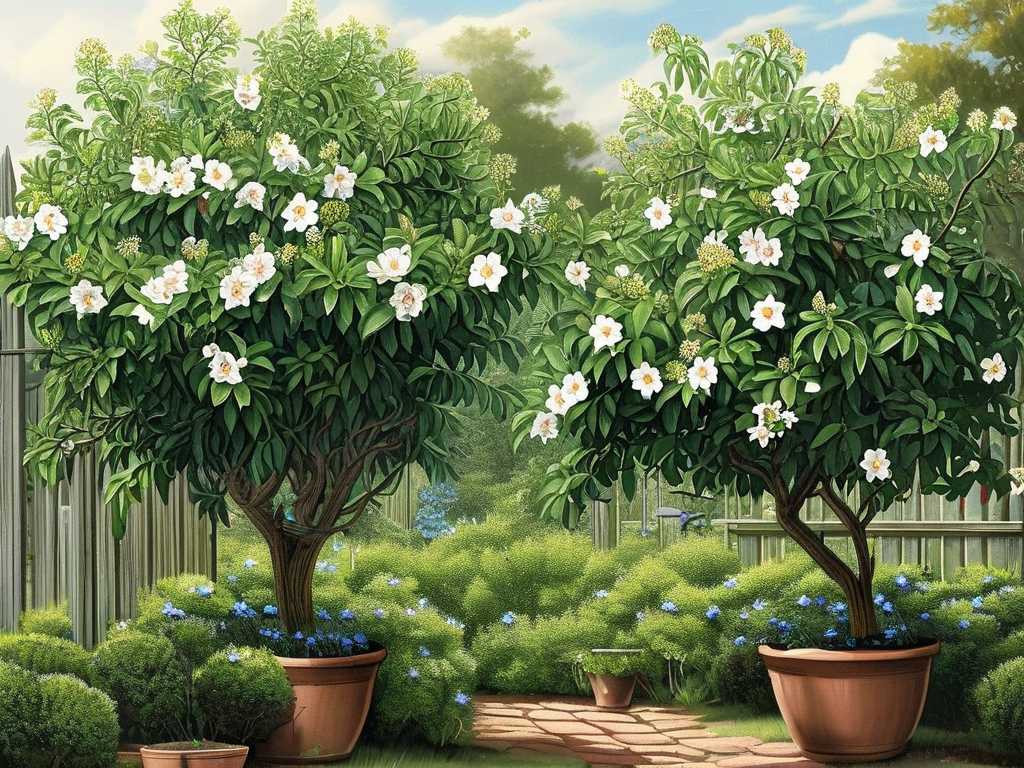
Before you plant, you must identify. This is the most crucial step I learned after my first disappointing season. I bought a plant simply labeled “Jasmine,” envisioning a fragrant bower. It bloomed beautifully but silently. I later identified it as Jasminum mesnyi (Primrose Jasmine), a largely scentless variety.
Fragrant Jasmine Stars: The Perfume Powerhouses These varieties are all about the olfactory experience. Their scent release is often tied to temperature and time of day.
- Jasminum sambac (Arabian Jasmine): The king of fragrance. Its small, waxy white flowers produce an intensely sweet, heavy scent, most potent at dusk. This is the variety used in jasmine tea and perfumery.
- Jasminum officinale (Common White Jasmine): A vigorous climber with clusters of white, pinwheel flowers. Its fragrance is classic, lighter, and more floral than sambac, beautifully scenting a large area.
- Jasminum polyanthum (Pink Jasmine): An indoor favorite. It produces a profusion of pink buds that open to white stars, flooding a room with a potent, sweet perfume in late winter/spring.
Non-Fragrant Jasmine Beauties: The Visual Showstoppers These varieties compensate for their lack of scent with stunning visual impact, often with brighter colors or different bloom times.
- Jasminum nudiflorum (Winter Jasmine): A game-changer for off-season color. It bursts with bright yellow flowers on bare green stems in late winter, offering zero fragrance but immense cheer.
- Jasminum floridum (Showy Jasmine): Features evergreen foliage and yellow flowers in spring/summer. It’s valued for its tidy, shrubby form and reliable bloom, not scent.
- Trachelospermum jasminoides (Star Jasmine): Technically not a true Jasminum, but universally included for its powerfully fragrant, star-shaped white flowers. I’m mentioning it here because its incredible scent often confuses beginners comparing “fragrant vs non-fragrant” types—it’s a must-consider for fragrance lovers.
The Planting Divide: Location is Everything
My two-week observation period after planting two different varieties side-by-side was enlightening. I planted a fragrant Jasminum officinale and a non-fragrant Jasminum nudiflorum in the same bed.
For Fragrant Jasmines: Chase the Evening Sun Their scent production is a chemical reaction often enhanced by warmth. The Royal Horticultural Society (RHS) notes that many fragrant plants, including jasmine, maximize volatile oil production in response to sunlight.
- My Step: I planted my Jasminum officinale against a west-facing wall. It received strong afternoon sun, which warmed the structure. At dusk, as the air cooled, the perfume release was remarkable.
- The 2-Week Result: By the end of the first fortnight, buds were forming. The real test came at dusk on day 14, when the first few open flowers released a detectable scent from several feet away. The warm wall acted like a radiator, amplifying the effect.
- The Pitfall & Fix: My initial spot was too shaded. The plant grew but produced minimal, weakly scented flowers. I moved it the following season to the sunnier location, and the difference was night and day.
For Non-Fragrant Jasmines: Prioritize Visual Impact Since scent isn’t a factor, focus on showcasing their ornamental strengths.
- My Step: I planted the Winter Jasmine (J. nudiflorum) on a bank where its cascading, arching stems could be seen from my kitchen window. It received good morning sun but was in partial shade by afternoon.
- The 2-Week Result: This was a late-winter planting. The plant established quickly, focusing energy on root growth rather than bloom (as it was past its flowering cycle). The healthy, bright green stems were a visual promise for the next year.
- The Pitfall & Fix: I initially underestimated its spread. It began to crowd a small azalea. I solved this by gently training some of the longest stems along the bank in a new direction, using landscape pins, which actually enhanced its natural weeping form.
Care and Cultivation: Feeding for Flowers or Foliage?
This is where care strategies subtly diverge. Both types need good basics, but your goal changes the emphasis.
Watering Wisdom Both dislike soggy roots. I use the finger test—inserting a finger into the top inch of soil. If dry, I water deeply. The fragrant officinale, with its denser foliage and more vigorous summer growth, typically needed watering 20% more frequently than the winter jasmine during the growing season. Consistency is key; drought stress can cause fragrant varieties to drop buds before they open, robbing you of scent.
Feeding for Your Goal
- Fragrant Varieties: You are feeding for bloom quantity and quality. More flowers mean more scent. I use a balanced, water-soluble fertilizer (like a 10-10-10) every 4-6 weeks during the active growing and blooming season (spring through summer). I once made the mistake of using a high-nitrogen lawn fertilizer nearby, which promoted lush leaves on my jasmine at the expense of blooms. It took a season of flushing the soil and switching back to a balanced feed to correct this.
- Non-Fragrant Varieties: While they still benefit from bloom-promoting food, their care can be slightly more flexible. For my winter jasmine, I focus on one feeding in early spring after it blooms to support general growth, and another in early summer. The American Horticultural Society (AHS) emphasizes that over-fertilizing can lead to excessive, weak growth on any ornamental plant. For these visual types, shape and hardiness are as important as flower count.
Pruning: Timing is Critical This is a major pitfall area. Wrong timing can mean a year without flowers.
- Fragrant, Summer-Bloomers (J. officinale, J. sambac): They bloom on new growth. I prune mine in early spring, just as new buds begin to swell. This encourages a flush of new vines that will bear the scented flowers. Pruning in fall or winter would remove next year’s bloom potential.
- Non-Fragrant, Winter/Spring-Bloomers (J. nudiflorum): They bloom on the previous season’s growth. I prune mine immediately AFTER its yellow flowers fade in late spring. This gives it the whole summer to produce new growth that will harden off and carry next winter’s flowers. Pruning in spring before it blooms would cut off all the flower buds.
Training and Support: Shaping the Experience
Fragrant jasmines are often climbers or vines. To enjoy the scent, you need to train them where you’ll experience it.
- My Setup: I trained my J. officinale over an arched trellis near a seating area. As it grew during my observation weeks, I gently tied new shoots to the structure with soft plant ties, spacing them for good air circulation.
- The Result: This created a “scent tunnel.” When the plant matured and bloomed, the perfume was concentrated in the seating area, not lost against a wall.
Non-fragrant, shrubby types like J. floridum may need minimal support but benefit from strategic placement for visual appeal—think bordering a walkway or spilling over a retaining wall.
FAQ
Can I make a non-fragrant jasmine smell? No. Fragrance is a genetic trait. You cannot induce a true, non-fragrant Jasminum species to produce scent. Focus on appreciating its visual beauty and growth habit.
Which fragrant jasmine is best for containers indoors? Jasminum polyanthum (Pink Jasmine) is the top choice. It adapts well to pot culture, can be trained on a small hoop trellis, and its prolific late-winter bloom fills indoor spaces with perfume. Ensure it gets several hours of direct sunlight daily.
My fragrant jasmine is blooming but has little scent. What’s wrong? Three common culprits: 1) Insufficient sun: Move it to a sunnier location. 2) Variety mix-up: You may have a less fragrant species. Confirm its ID. 3) Environmental factors: Extreme heat or very dry air can sometimes diminish scent perception. Ensure the plant is well-watered and not heat-stressed.
Choosing between fragrant and non-fragrant jasmine isn’t about right or wrong; it’s about matching the plant to your garden’s purpose. If you dream of summer evenings wrapped in a sweet, floral haze, invest in a Jasminum sambac or officinale, give it sun, and prune it smartly. If you crave a burst of color when the garden is asleep, the cheerful, scent-free blooms of Winter Jasmine are unmatched. By understanding their distinct needs from planting to pruning, you can successfully cultivate either type, avoiding the pitfalls that once left me with a beautiful but silent plant. Start with the right species, place it with intention, and care for it according to its nature—your senses (or your eyes) will thank you.





