bluename
How to Grow Healthy Coleus for Beginners (Easy Guide)
I killed my first three coleus plants in under a month. All of them died the exact same way, and it took me way too long to figure out why.
Here is the short answer: coleus wants bright, indirect light, soil that drains fast, and way less water than you think. Get those three things right and the plant basically grows itself.
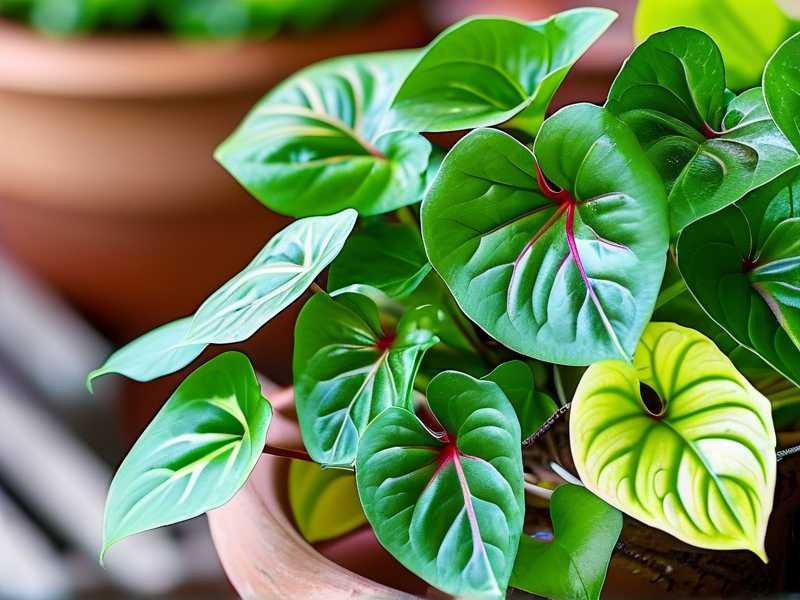
I am not exaggerating either. The Royal Horticultural Society notes that coleus (also called Solenostemon) is one of the easiest foliage plants to grow indoors as long as you avoid soggy roots and harsh afternoon sun.
That one line became my whole strategy. Let me walk you through what actually worked for me over a two-week trial, plus the mistakes that cost me three plants before I learned anything.
The 3 Mistakes That Killed My Coleus (And Probably Yours Too)
Mistake 1: Watering Too Much
I used to water my coleus every single day. Felt responsible. Felt like a good plant parent.
Then the leaves went limp, which I read as "needs more water." So I watered again. The plant was dead four days later.
Here is the thing nobody tells beginners: 90% of indoor plants die from overwatering. That is not a scare tactic, it is just how root rot works. Coleus roots need oxygen, and constantly wet soil suffocates them.
Also, limp leaves do not always mean thirst. Sometimes they mean the roots are drowning and cannot absorb anything anymore. If you see droopy leaves on wet soil, do not water.
I now stick my finger two inches into the soil before watering. If it feels even slightly damp, I wait.
Mistake 2: Putting It in the Wrong Light
My second coleus sat on a south-facing windowsill in full afternoon sun. The colors were stunning for about five days. Then the leaf edges turned brown and crispy, and the whole thing looked sunburned.
I moved it too far the other way, into a dark corner, and it turned pale green and stopped growing.
You want the middle ground. Bright light, but filtered. A spot a few feet back from a sunny window, or behind a sheer curtain, works well.
I use an east window now. Morning sun only. My current plant has held its color for months without a single scorched leaf.
A quick tip: coleus grown for color needs more light than plain green plants. But "more light" means longer exposure to soft light, not a blast of direct midday sun.
Mistake 3: Using the Wrong Pot
My third plant lived in a decorative pot with no drainage hole. I loved how it looked on my shelf. The plant hated it.
Water pooled at the bottom with nowhere to go. Roots sat in that puddle and rotted. Same story as the first two plants, just a different cause.
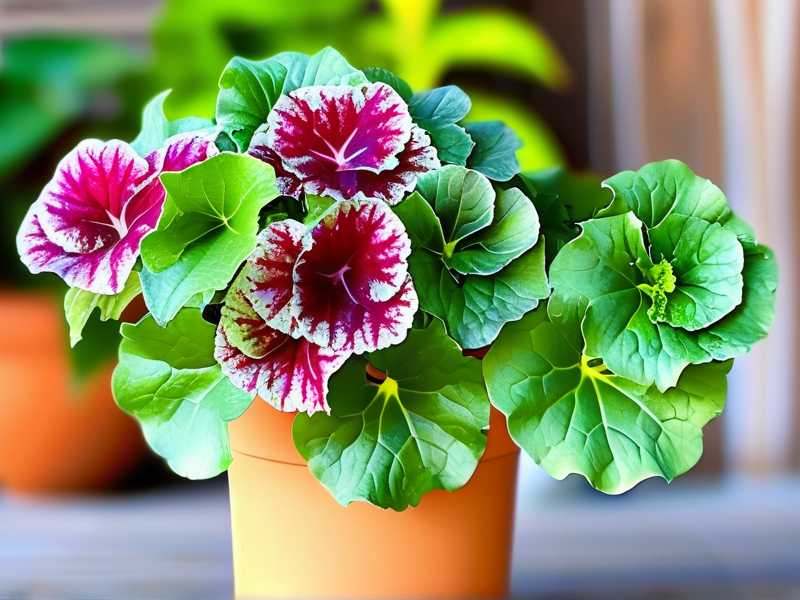
Grab a pot with drainage holes. Terracotta is a solid pick for beginners because it wicks away extra moisture. Plastic works fine too as long as it drains.
If you really want a pretty cachepot, keep the plant in a nursery pot inside it, and always empty the water that collects at the bottom.
Honestly, this one change solved most of my problems.
What 2 Weeks of Proper Care Actually Looked Like
Once I fixed light, water, and drainage, I tracked a fresh coleus for two weeks. Here is what I observed, day by day, without overcomplicating it.
Days 1 to 3: No visible change. The plant just sat there. I resisted the urge to water, which was honestly the hardest part.
Days 4 to 7: New leaves started appearing at the growing tips. Tiny, tightly packed, lighter in color than the mature leaves. This was the first real sign I was doing something right.
Days 8 to 11: The new leaves opened up and the colors deepened. Stem growth became noticeable. I rotated the pot a quarter turn every few days so it would not lean toward the window.
Days 12 to 14: Bushier growth. Side shoots developing where I had pinched. Zero leaf drop. Zero crisping. First time I had kept a coleus alive past ten days.
That is a slow start, I know. Many people expect instant results. But plants reward patience, and coleus is no exception.
How to Care for Coleus: The Basics That Matter
Light
Give it bright, indirect light. Four to six hours of soft light daily is plenty.
In the US and Canada, an east or north window usually works. In the UK and Australia, where sunlight intensity shifts differently, a spot near a bright window with a sheer curtain does the job.
If your plant gets leggy and pale, it wants more light. If the leaf edges turn brown and papery, it wants less.
Water
Wait until the top inch or two of soil is dry. Then water thoroughly until it runs out the drainage holes.
Empty the saucer afterward. Never let the pot sit in standing water.
I water mine roughly once every five to seven days in summer, less in winter. Your schedule will depend on your home's humidity and temperature, so always check the soil first.
Soil
Use a light, well-draining mix. I make my own by mixing regular potting soil with perlite at about a 3-to-1 ratio.
Perlite is a game changer. It creates air pockets so water drains instead of pooling.
If you buy pre-made mix, look for one labeled for containers or houseplants. Anything heavy and dense, like garden soil, will hold too much moisture.
Temperature and Humidity
Coleus likes it warm. Aim for 65 to 75°F (18 to 24°C). It does not like cold drafts or sudden temperature swings.
Average home humidity is fine. If your air is very dry in winter, a pebble tray or a nearby humidifier helps. I have never needed a humidifier for mine, but I know dry-climate growers who swear by one.
Fertilizer
Feed lightly. I use a diluted liquid fertilizer every two to three weeks during the growing season.
Do not feed in winter when growth slows down. Too much fertilizer causes weak, floppy stems and can burn the roots.
When in doubt, use half the recommended dose. Coleus is not a heavy feeder.
Pinching and Pruning: The Trick Most Beginners Miss
Flowers might sound like a good thing, but on coleus they are not. Once the plant flowers, it puts energy into seed production and the leaves start to lose color and drop.
I pinch off flower buds the moment I see them. Just pinch them with your fingers or snip with clean scissors.
I also pinch back the growing tips every few weeks. This makes the plant branch out instead of growing into one tall, spindly stem.
It feels wrong to cut a healthy plant, I know. But it works. The first time I tried it, I got two new branches within a week.
Remove any yellowing or damaged leaves too. It keeps the plant looking tidy and helps airflow around the stems.
Common Problems and How I Fixed Them
Drooping Leaves
If the soil is wet, the roots are drowning. Stop watering and let the soil dry out. If the soil is bone dry, give it a drink.
Same symptom, opposite cause, so always check the soil before you act.
Brown, Crispy Edges
This is almost always too much direct sun or too little humidity. Move the plant back from the window or add a sheer curtain.
Pale, Faded Colors
Not enough light. Move it closer to a bright spot, but keep it out of harsh direct sun.
Leggy, Stretched Growth
Classic low-light problem. Pinch the stems back and move the plant somewhere brighter.
Tiny Pests
Watch for spider mites and aphids, especially in dry indoor air. A weekly check of the undersides of leaves catches them early. A gentle spray of water or insecticidal soap handles most mild infestations.
The American Horticultural Society has good resources on common houseplant pests if you want to dig deeper.
Choosing the Right Coleus Variety
There are hundreds of cultivars, and honestly, most of them grow the same way. Pick based on color and size.
Some popular types have deep burgundy leaves, others are lime green with pink centers. Some stay compact, others get tall.
For beginners, I suggest a common, widely available variety. Fancy rare cultivars are not harder to grow, but they are more expensive to replace if things go wrong.
Buy from a local nursery if you can. You can see the actual plant instead of guessing from a photo online.
Starting Coleus from Cuttings
This is the easiest propagation I have ever tried.
Cut a stem just below a leaf node. Remove the lower leaves. Stick the cutting in water or directly into moist soil.
Roots show up in one to two weeks. I have had near-100% success with water propagation.
Change the water every few days to keep it fresh. Once roots are an inch or two long, pot the cutting in soil and treat it like a mature plant.
Free plants, basically. It is one of the reasons I keep coming back to coleus.
Overwintering and Long-Term Care
Coleus is technically a tender perennial, which means it will not survive frost. If you live somewhere cold, bring it inside before the first frost.
Indoors over winter, growth slows down. Water less. Skip fertilizer. Keep it near a bright window.
Some growers take cuttings in fall as insurance. If the parent plant struggles in low winter light, you still have fresh starts for spring.
I do this every year now. It beats starting from scratch in March.
Frequently Asked Questions
How often should I water my coleus?
Water when the top inch or two of soil feels dry. In summer, that might be every five to seven days. In winter, every ten to fourteen days or less. Always check the soil before watering, never go by a fixed schedule.
Why are my coleus leaves losing color?
Fading color usually means not enough light. Move the plant to a brighter spot with indirect sun. If the leaves are also turning brown and crispy, the problem might be too much direct sun instead. Adjust slowly and watch for changes over a week or two.
Can coleus grow indoors year-round?
Yes, as long as it gets enough bright, indirect light and you keep it away from cold drafts. Indoor coleus often grows slower in winter, and that is normal. Pinch off flowers, water less in the cold months, and it will bounce back strong in spring.
Final Thoughts
Growing healthy coleus is not complicated once you stop guessing. Bright indirect light, well-draining soil, a pot with holes, and a watering schedule based on touch rather than habit. That is the whole game.
I lost three plants learning this. You do not have to. Start simple, check your soil, and give it two weeks before you judge the results.
Pinch the tips, dodge the flower buds, and watch it fill out. Before long, you will have more coleus than you know what to do with — and plenty of cuttings to share.