bluename
How to Grow Lotus from Tubers: A Complete Guide for Home Gardeners
I killed my first three lotus tubers before I figured out what I was doing wrong. That's the honest truth.
If you want to know how to grow lotus from tubers, here's the short answer: plant the tuber horizontally in heavy clay soil, cover it with just 2-3 inches of water at first, and give it 6+ hours of direct sun. That's it. Do those three things right and you'll see your first floating leaf in about 10-14 days.

The problem is that most people — myself included — get at least one of those three things wrong. And lotus tubers don't give you much of a second chance.
I've been growing lotus for six seasons now. I've drowned tubers, baked them in wrong windows, and watched them rot in fancy ceramic pots. This guide is everything I wish someone had told me on day one.
Why Lotus Tubers Are Trickier Than You Think
Lotus (Nelumbo nucifera) isn't like a water lily. It's not like a houseplant either.
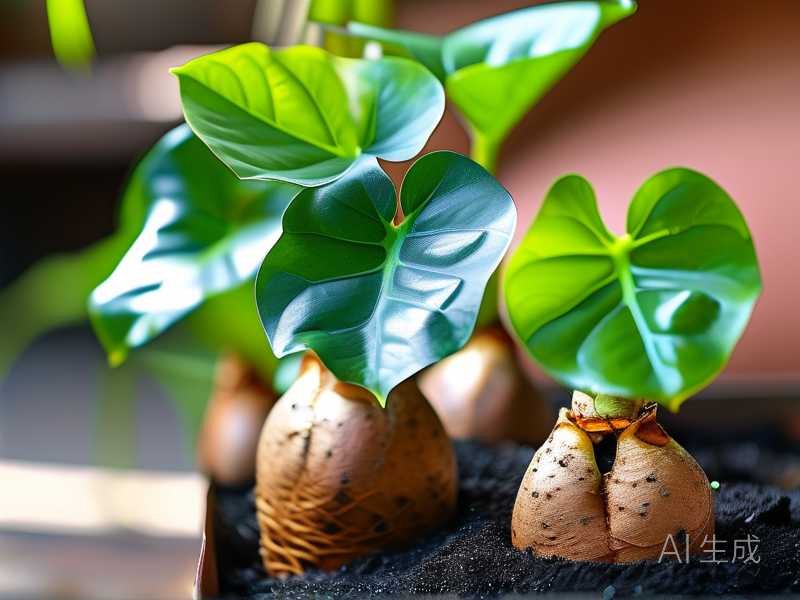
The tuber is basically a dormant banana-shaped root with growing tips on one end. Those tips are fragile. If they dry out, freeze, or sit in stagnant water too long, they're done.
The Royal Horticultural Society notes that lotus needs full sun and still water to thrive. Not much shade. Not moving water. Still and sunny.
The American Horticultural Society also points out that lotus are heavy feeders once they're established, which is something most beginner guides skip over.
What I've learned after killing a few tubers: the first 14 days decide everything. Get past that window and your lotus is basically bulletproof.
Picking the Right Tuber
Not all tubers are equal. I learned this the hard way.
Look for tubers that are firm, plump, and pale tan or light brown. They should feel heavy for their size.
Avoid anything that's:
- Soft or mushy anywhere on the surface
- Black or dark brown in patches
- Already sprouting long, pale shoots (these usually don't transplant well)
- Dried out and shriveled
I bought a "bargain" tuber online once that arrived looking like a dried-up banana. I planted it anyway. Nothing happened. Not a single leaf. Money wasted.
Buy from a reputable aquatic nursery or a seller who ships tubers in damp moss or peat. If it arrives dry, soak it in lukewarm water for a few hours before planting.
The 3 Mistakes That Kill Almost Every Lotus Tuber
Every dead lotus I've had came down to one of these three mistakes. Every single one.
Mistake #1: Overwatering (Yes, Really)
You're growing a water plant. How can you overwater it?
Easy. When you first plant the tuber, it has no roots. It can't absorb water. If you submerge it in 12 inches of water on day one, it drowns.
I did this with my second tuber. Filled the pot, put it in a big tub, covered it with water. Two weeks later, the tuber was black and slimy. Gone.
The fix: start with just 2-3 inches of water above the soil. Once you see the first floating leaf, you can raise the water level gradually. About an inch per week.
This connects to something bigger. 90% of indoor plants die from overwatering. Lotus is outdoor, but the principle is the same — too much water before roots form is deadly.
Mistake #2: Wrong Light
Lotus need at least 6 hours of direct sun. Not filtered. Not "bright indirect." Direct.
I tried growing one on a west-facing balcony that got about 4 hours of afternoon sun. It grew. But it grew weak and spindly. The leaves were small. No flowers. It limped along all summer and died back in fall without ever blooming.
The fix: full sun means full sun. South-facing spots in the northern hemisphere. At least 6 hours, ideally 8.
What I do now: I put my lotus pots on the south side of my house where nothing blocks the light from about 9 AM to 5 PM. The difference is night and day.
Mistake #3: Wrong Container
Lotus spread horizontally. They need width, not depth.
I once planted a tuber in a tall, narrow ceramic pot because it looked nice. The tuber hit the wall within a week. The growing tip got crushed. That was the end of it.
The fix: use a wide, shallow container. At least 18-24 inches across and 10-14 inches deep. No drainage holes — you want it to hold water.
Round is better than square. Wide is better than tall. And avoid clear containers. Algae grows like crazy in clear pots and competes with your lotus.
What You'll Need
Here's my actual setup. Nothing fancy.
- A wide container (18-24 inches across, no holes)
- Heavy clay soil (not potting mix, not compost)
- A lotus tuber
- A larger tub or basin for the pot to sit in
- Warm water
- Full sun location
That's it. No fertilizer at planting. No fancy substrate. No gadgets.
Heavy clay soil is key. I use plain garden soil from my yard that's mostly clay. If yours is sandy, you can mix in some clay-based topsoil. Avoid anything with perlite, vermiculite, or lots of organic matter — those float and make a mess.
Step-by-Step: How I Plant Lotus Tubers
The whole process takes about 20 minutes. But getting it right matters.
Step 1: Prepare the Soil
Fill your container about two-thirds full with heavy clay soil. Add water until the soil is saturated and there's about 1-2 inches of muddy water on top. Let it sit for an hour. The soil should be soft enough to push your finger into without much resistance.
Step 2: Position the Tuber
Lay the tuber horizontally on top of the mud. Don't bury it. Just press it gently into the surface so it makes contact.
The growing tip — the pointed end with tiny green or pink shoots — should face up and slightly toward the center of the pot. Don't bury that tip. It needs light and air.
Step 3: Add Water
Slowly add water until it's about 2-3 inches above the soil surface. Pour onto a plate or plastic lid sitting on the soil so you don't disturb the tuber.
Step 4: Place in Full Sun
Put the container where it gets at least 6 hours of direct sun. If your area still gets frost, keep it indoors under a grow light or in a sunny window until the last frost date.
Step 5: Wait
This is the hard part. Don't fiddle with it. Don't add fertilizer. Don't change the water. Just wait.
My 2-Week Observation: What Actually Happens
I tracked my most recent tuber every day for two weeks. Here's exactly what I saw.
Days 1-3: Nothing. The tuber sits there looking like a banana in mud. I always panic a little.
Days 4-7: The growing tip starts to swell. You might see a tiny green nub. Don't touch it. I accidentally knocked off a growing tip once by "checking" on it. That tuber never recovered.
Days 8-10: First floating leaf appears. It's small, reddish-green, and lies flat on the water. This is when I know it worked.
Days 11-14: Second and third leaves show up. The first one darkens to green. Roots are forming in the mud. I still don't fertilize at this stage.
By the end of week two, if you don't see at least one floating leaf, something's wrong. Check the tuber. If it's mushy, it's dead. If it's firm but nothing's happening, your water might be too cold. Lotus tubers need water above 70°F (21°C) to break dormancy.
After Week 2: Raising the Water Level
Once you have two or three floating leaves, start raising the water level. Add an inch per week until the water is 6-12 inches above the soil.
If you're growing in a tub or pond, you can move the whole pot into deeper water now.
When to Fertilize
Wait until you have at least four or five leaves and the plant is actively growing. Then start feeding.
I use aquatic plant fertilizer tablets. Push them into the soil — not the water. One tablet per 2 gallons of soil, every 3-4 weeks during growing season.
RHS recommends feeding aquatic plants during their active growing season only. Don't feed in fall or winter.
Don't overdo it. Too much fertilizer causes algae blooms and can burn the roots.
Sunlight, Water Temperature, and What Actually Matters
I've experimented with different spots over the years. Here's what I've found.
Sunlight: 6 hours minimum. 8+ is better. Lotus growing in less than 6 hours of direct sun will survive but won't bloom. I've never gotten a flower from a plant that got less than 7 hours.
Water temperature: Above 70°F is ideal. Cold water stalls growth. If you live in a cooler climate, wait until late spring or early summer to plant.
Water quality: Tap water is fine in most areas. If your water is heavily chlorinated, let it sit for 24 hours before adding it. I've never had issues with tap water, but some growers swear by rainwater.
Water level: Deeper water equals happier lotus once they're established. But start shallow. Always start shallow.
Common Problems (and What I Do About Them)
Yellow leaves: Usually means the plant needs fertilizer. Or the water is too cold. Check temperature first, then feed.
No flowers: Not enough sun. Or not enough fertilizer. Or the tuber is too crowded. Give it more light and feed it. If it's in a small pot, repot into a wider one next season.
Algae: Normal in new setups. It usually goes away once the lotus leaves shade the water. If it's really bad, add a few floating plants like duckweed to compete for nutrients.
Aphids: They love lotus. I blast them off with water or use insecticidal soap. Don't use harsh chemicals near your pond — they kill beneficial insects.
Rotting tuber: You overwatered at the start. Remove the tuber, check for firmness. If there's any firm section with a growing tip, you can try replanting it. If it's all mush, start over.
Overwintering Lotus Tubers
If you live in a cold climate, you need a plan for winter.
In zones 5-7, I bring my pots into an unheated garage or basement. The tubers need to stay damp but not frozen. I keep just enough water to cover the soil and check them once a month.
In zones 8+, you can often leave them outside year-round. Just make sure the water doesn't freeze solid.
Never let the tubers dry out completely during dormancy. I lost an entire collection one winter because I forgot to top off the water. They shriveled up by March.
Can You Grow Lotus Indoors?
Technically, yes. Practically, it's hard.
Lotus need intense, direct light. A sunny windowsill usually isn't enough. You'll need a strong grow light — something in the 300+ watt range for a single plant.
I tried growing one indoors under a 150-watt LED. It produced leaves. No flowers. The plant was leggy and weak.
If you really want to try, use a dwarf variety and put it in the sunniest window you have. Supplement with a grow light. Keep the water warm with an aquarium heater.
But honestly? Lotus are outdoor plants. They want sun and space. Give them that and they'll reward you.
FAQ
How long does it take for lotus tubers to sprout?
Usually 7-14 days if the water is warm enough (above 70°F). Colder water slows everything down. I've had tubers take three weeks in a cool spring.
Can I grow lotus in a small pot?
You can, but you won't get flowers. Lotus need room to spread. A pot smaller than 18 inches across will stunt the plant. Dwarf varieties can handle slightly smaller containers, but they still need width.
Do lotus tubers need to be buried?
No. Lay them horizontally on the soil surface and press them in gently. Burying them completely can smother the growing tip. The tuber should be in contact with the soil, but not covered.
What's the best time to plant lotus tubers?
Late spring to early summer, when water temperatures are consistently above 70°F. Planting too early in cold water is one of the fastest ways to kill a tuber.
A Few Last Things I've Learned
Lotus growing isn't hard once you understand what the plant wants. It wants sun. It wants warmth. It wants still, shallow water at first and more water later.
It does not want to be fussed over. Every time I've tried to "help" a lotus by moving it, adding something, or changing its conditions in the first two weeks, I've regretted it.
The best thing you can do is plant it right, put it in the right spot, and leave it alone.
If you're in the US or Canada, check with your local extension office about whether lotus is considered invasive in your area. In some regions, it's restricted. Better to know before you plant.
And if your first tuber dies? Don't give up. Mine did too. Learn from it, adjust your setup, and try again. That's how every good gardener I know got started.