bluename
Your bird of paradise is drooping, the leaf edges are crispy brown, and you're pretty sure you've killed it. Take a breath. I've been there, and I can tell you right now that most strelitzia plants can bounce back fast if you fix three things: water, light, and the pot. In fact, if you want the fastest fix for a dying Strelitzia, start by checking the soil moisture and the root zone today. That's where the real problem usually lives.
The bird of paradise (Strelitzia nicolai or Strelitzia reginae) is a stunning houseplant. Big bold leaves, tropical vibe, and it looks expensive even when it isn't. But it's also a plant that punishes careless watering and bad light placement. I've killed one myself, and I've rescued two more. So this isn't theory. It's what actually worked in my living room over two weeks of watching and adjusting.
Real talk: 90% of indoor plants die from overwatering, and strelitzia is right at the top of that list. Once you understand that, reviving yours gets a lot simpler.
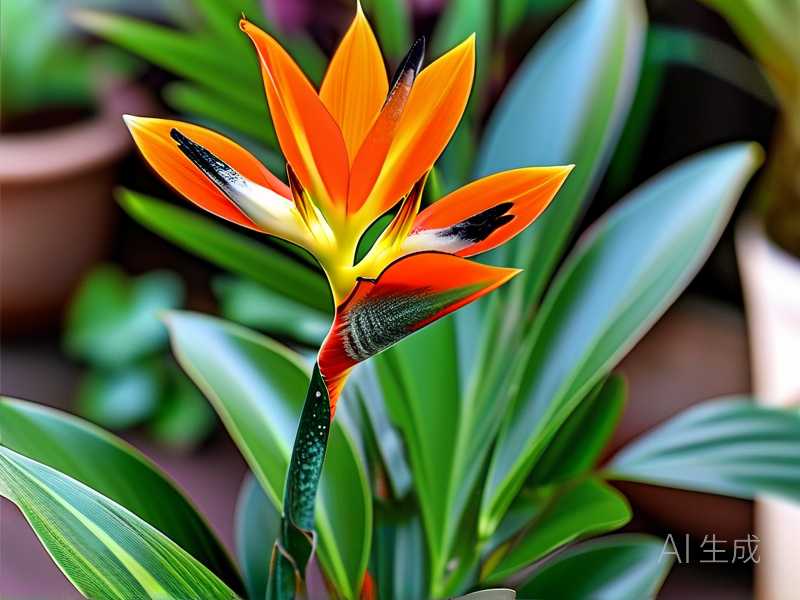
What a Healthy Strelitzia Actually Looks Like
Before you fix anything, know what "good" looks like.
Healthy strelitzia leaves are upright, firm, and deep green. New leaves unfurl from the center. Stems are thick and hold themselves up. If leaves are curling, splitting at the edges, or yellowing from the bottom up, something's off.
The RHS notes that strelitzia prefers bright light and consistent moisture without sitting in water. That's the whole game in one sentence, honestly.
These plants are moderate on the care scale. Not hard, not beginner-friendly. They're forgiving of a missed watering but not of a soggy pot. That distinction matters more than most care guides admit.
Light: The Make-or-Break Factor
Best Light for Strelitzia Indoors
Bright, indirect light is the sweet spot. A spot near a south or west window with a sheer curtain works great. East-facing windows are fine too if you get good morning sun.
I keep mine about three feet back from a west window. It gets a couple hours of direct afternoon sun and bright filtered light the rest of the day. That's what pushed new growth after my rescue mission.
What Happens With Too Little Light
Strelitzia in low light gets leggy. Stems stretch. New leaves come out small and pale. The plant stops pushing growth altogether. It won't die fast, but it slowly fades.
This was my second mistake with my first bird of paradise. I put it in a "safe" corner away from the window because I was worried about scorching it. Six weeks later it looked like a sad umbrella. Don't do that.
What Happens With Too Much Direct Sun
Afternoon summer sun through glass can scorch leaves. You'll see bleached patches or crispy brown edges on the side facing the window.
Simple fix: pull it back a foot or hang a sheer curtain during June through August. In winter, move it closer. The sun angle changes and most of us forget that.
Watering: Where Most People Go Wrong
This is the heart of reviving a dying strelitzia. Read this section twice.
The Core Rule
Water deeply, then let the top two to three inches of soil dry out before watering again. That's it. Not on a schedule. Not every Sunday. Check with your finger or a moisture meter.
I use a cheap wooden chopstick. Push it in, leave it for a minute, pull it out. If it comes out clean and dry, water. If soil clings to it, wait.
How to Water a Struggling Plant
If your plant is already stressed, water less, not more. I know that feels wrong. But stressed roots rot faster.
Water slowly around the edge of the pot until it drains from the bottom. Empty the saucer after 15 minutes. Never let the pot sit in water.
Preventing Root Rot
Root rot is the number one killer. Signs: yellow lower leaves, mushy stems at the soil line, a sour smell from the soil.
If you catch it early, stop watering entirely for two weeks. Let the soil dry hard. Then resume with a much lighter hand.
If the base is mushy, you need to repot and cut away dead roots. More on that below.
Soil and Repotting
The Right Soil Mix
Strelitzia needs fast-draining soil. A standard potting mix alone holds too much water.
My mix: two parts quality potting soil, one part perlite, one part orchid bark. That gives you air pockets and drainage. It's the same mix I use for most tropicals and it works.
The AHS recommends well-draining media for tropical plants, and this ratio fits that guidance without overcomplicating it.
Choosing the Right Pot
Terracotta or unglazed clay is best. It breathes and wicks away moisture. Plastic works if you're a careful waterer, but it holds moisture longer.
Size matters too. Only go up one pot size at a time. A plant in a pot that's way too big sits in wet soil for weeks. That's a death sentence.
When and How to Repot
Repot every two to three years, or when roots circle the bottom. Spring is best.
Here's what I do: water lightly the day before. Slide the plant out. Gently shake off old soil. Trim any brown mushy roots with clean scissors. Repot into fresh mix. Don't water for three days after repotting. That last step saved my second strelitzia after I nearly drowned it.
Fertilizing: Less Than You Think
Use a balanced liquid fertilizer diluted to half strength. Feed every four to six weeks during spring and summer.
Stop feeding in fall and winter. The plant isn't growing, and fertilizer salts build up in the soil.
Never fertilize a dry plant. Water first, then feed. And never fertilize a sick plant until it shows new growth. I learned this the hard way with a fern, but the rule applies here too.
Seasonal Care: The Part Most Guides Skip
Spring: Wake It Up
This is prime revival season. Increase watering slightly as growth resumes. Start fertilizing again. Repot if needed. Trim dead or damaged leaves at the base with clean snips.
I also wipe the leaves with a damp cloth in spring. Dust blocks light, and light is what drives recovery.
Summer: Protect and Monitor
Watch for scorch. Keep the plant out of harsh afternoon sun. Water more often because the soil dries faster, but still check before watering.
Good airflow matters. I crack a window nearby or run a small fan on low. Stagnant humid air invites fungal problems.
Check the undersides of leaves weekly for pests. Summer is when they show up.
Fall: Dial It Back
Reduce fertilizer to zero by mid-fall. Start stretching the time between waterings. Move the plant closer to the window as light fades.
Clean up dead leaves and debris from the soil surface. That debris harbors pests and mold over winter.
Winter: Keep It Alive, Not Growing
This is the survival season. Water sparingly, maybe every two to three weeks depending on your home's humidity. No fertilizer. Keep it away from cold drafts and radiators.
If you live somewhere cold, keep the plant indoors. Strelitzia hates temperatures below 50°F. A cold windowsill at night can damage leaves.
Pests and Problems: Quick Diagnosis
Yellow leaves from the bottom up: usually overwatering. Let it dry out.
Crispy brown edges: low humidity or underwatering. Group it with other plants or use a pebble tray.
Curling leaves: underwatering or heat stress. Check soil moisture first.
Spider mites: fine webbing, stippled leaves. Wipe leaves and treat with insecticidal soap. Repeat weekly for three weeks.
Mealybugs: white cottony clumps in leaf joints. Dab with alcohol on a cotton swab.
Root rot: mushy base, sour smell. Repot, trim dead roots, reduce watering drastically.
Three Mistakes That Kill Strelitzia Fast
1. Overwatering
I've said it and I'll say it again. This is the killer. 90% of indoor plants die from overwatering. Strelitzia is no exception. If you take nothing else from this article, take that.
2. Wrong Light Placement
Too dark and it fades. Too harsh and it scorches. Bright indirect light with a little direct sun is the answer. Don't shove it in a corner and hope.
3. Wrong Pot and Soil
Heavy soil in a pot with no drainage is a slow death. Use a chunky mix and a pot with holes. Always.
My Two-Week Rescue Log
I want to share what actually happened when I rescued my second strelitzia. It came to me half-dead, yellow leaves, drooping stems, soggy soil.
Day 1: I stopped watering immediately. Moved it to a bright spot near the west window. Checked the roots, no rot yet, just saturated soil.
Day 3: Soil still wet. I poked holes in the top layer with a chopstick to help it breathe.
Day 7: Soil finally drying. One yellow leaf removed. No new damage.
Day 10: First sign of new growth from the center. Tiny green tip.
Day 14: New leaf unfurling. Stems standing firmer. I watered lightly for the first time in two weeks.
That's the timeline. Two weeks of doing less, not more. Most people over-love a dying plant. The fix is often restraint.
FAQ
Can a strelitzia recover from root rot? Yes, if you catch it early. Repot, trim mushy roots, use fresh draining soil, and water sparingly for a few weeks. If the crown is completely mushy, it's probably too late.
How often should I water a struggling strelitzia? Only when the top two to three inches of soil are dry. That might be every 10 to 14 days, or longer. Check the soil, not the calendar.
Why are my strelitzia leaves splitting? Leaf splitting is often natural as leaves mature, especially in dry indoor air. It's not usually a sign of disease, but low humidity makes it worse. A pebble tray or humidifier helps.
Final Thoughts
Reviving a dying strelitzia isn't complicated. It's about getting back to basics. Bright light, careful watering, fast-draining soil, and the right pot. Fix those and give it two weeks. You'll likely see new growth.
Don't panic, don't overwater, and don't repot into a giant container. Keep it simple. Your bird of paradise wants to live. You just have to stop loving it to death.