bluename
If your Hoya pubicalyx is growing like crazy but barely blooming, you're probably making the same mistake I did for two years—babying it too much. I'll save you the suspense: the fix isn't more fertilizer or more water. It's strategic pruning, and I'll walk you through exactly how I do it, step by step, based on what actually worked on my own plant over a two-week observation window.
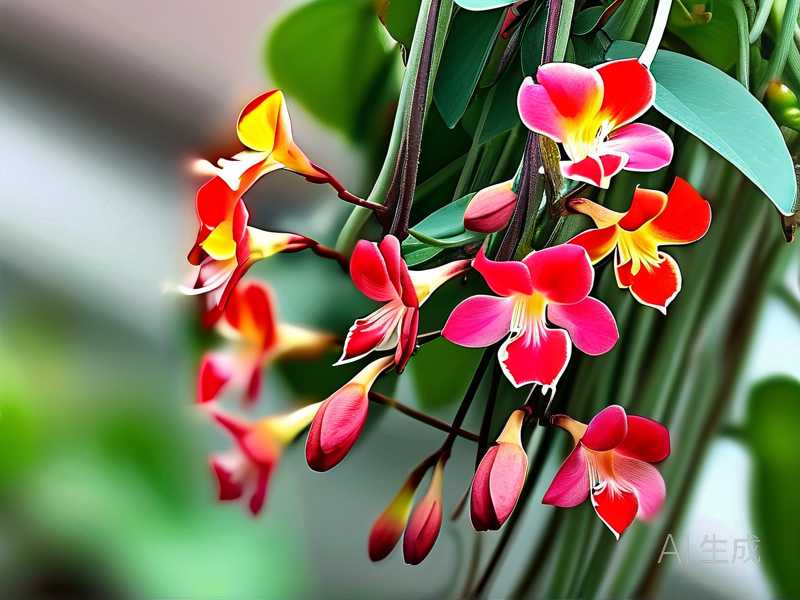
Hoya pubicalyx is that gorgeous climbing houseplant with speckled leaves and clusters of fuzzy, star-shaped flowers that smell faintly like chocolate or caramel at night. It's forgiving, which is why so many of us keep one on a bookshelf or hanging basket. But forgiving doesn't mean it flowers on command. You have to give it a reason to bloom, and pruning is a big part of that.
Let me be upfront about something. 90% of indoor plants die from overwatering, and hoyas are no exception. I killed my first pubicalyx by loving it to death with a watering can. The second one I dried out too aggressively and lost half its leaves. The third one finally flowered because I stopped reacting to every little droop and started pruning with purpose.
First, Understand What You're Pruning
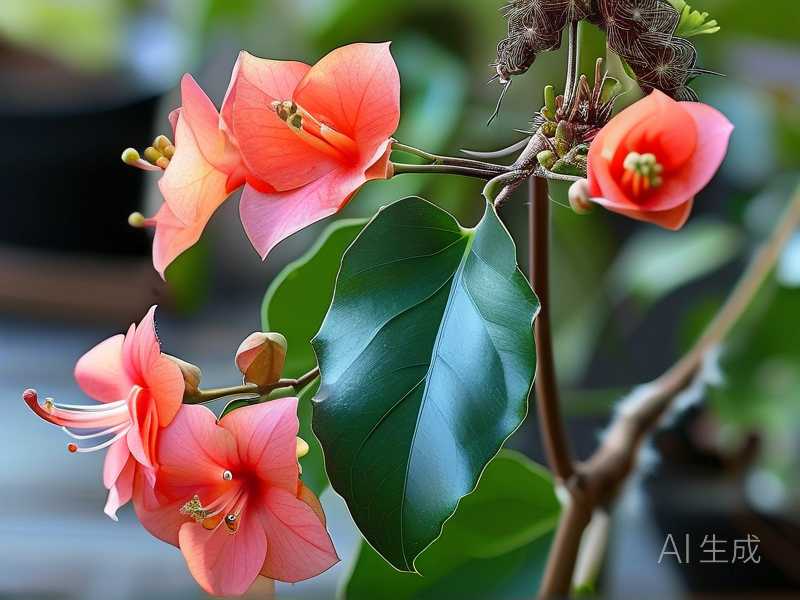
Hoyas bloom from spurs—little knobby stubs that form along the vines. These spurs produce flowers year after year, so the biggest rule is: never cut off the spurs. If you're new to hoyas, they look like tiny brown nubs where old flower clusters used to sit. Leave them alone.
The RHS is pretty clear on this point for hoya care—flowering spurs should be preserved because they rebloom. I learned that lesson the hard way when I snipped what I thought was dead growth off my second hoya and lost a whole season of blooms. Don't be me.
So what do you actually prune? Long, leggy vines that aren't producing anything. Crowded growth in the middle of the plant. Dead or yellowing leaves. And in my experience, a light trim right before the growing season pushes the plant to branch out—and more branches mean more spurs down the line.
The Pruning Method I Use (Step-by-Step)
Step 1: Get the right tools. Clean, sharp pruning shears or even good scissors. Wipe them with rubbing alcohol first. Hoyas are tough, but clean cuts heal faster.
Step 2: Find your spurs. Go through the plant slowly and identify every spur. I actually take a photo with my phone and mark them mentally. It sounds fussy, but it stops you from making a dumb mistake in a hurry.
Step 3: Trim leggy vines. Cut back any vine that's shooting out with long gaps between leaves. I cut just above a leaf node—about a quarter inch above. That node will usually push out new growth, often two shoots instead of one.
Step 4: Thin the center. If the plant is dense in the middle, remove a few small inner stems so light and air can move through. This is where a lot of people hesitate. I get it. But a crowded hoya is a hoya that sulks.
Step 5: Remove dead weight. Yellow leaves, dried stems, spent peduncles that clearly aren't spurs. Easy stuff.
Step 6: Don't go overboard. Honestly, I never remove more than a quarter of the plant at once. Hoyas are slow-ish growers, and a harsh haircut can set them back months.
What I Observed Over Two Weeks
I pruned my main pubicalyx in early spring, trimmed maybe five leggy vines and two small inner stems. By day seven, I could see new leaf nodes swelling. By day fourteen, there were two fresh vines starting, and the whole plant looked less tangled and more open. No flowers in that window, obviously—blooms came about six weeks later—but the growth response told me the plant was happy.
Light: The Make-or-Break Factor
Here's the thing people miss. Pruning encourages branching, but branching without enough light just makes more leggy vines. Your hoya wants bright, indirect light. An east or west window is ideal. Some gentle morning sun is fine. Harsh afternoon sun can scorch those speckled leaves—I've seen it happen in my south-facing kitchen window in July.
If your plant lives in low light, don't expect flowers no matter how well you prune. The AHS notes that most flowering houseplants need adequate light energy to produce blooms at all, and hoyas are firmly in that group.
Watering: The Real Killer
I'll say it again: 90% of indoor plants die from overwatering, and I've proven it personally. My watering rule for hoya pubicalyx is simple. Let the top two inches of soil dry out completely before watering again. In summer, that might be every five to seven days. In winter, every two to three weeks.
I use the lift test. Pick up the pot. If it feels light, water. If it feels heavy, wait. That trick alone saved my third plant.
Soil and Pot Choices
Loose, chunky, fast-draining mix. I blend regular potting soil with orchid bark and perlite—roughly 50/30/20. Drainage holes in the pot are non-negotiable. I once used a cute ceramic pot without holes and rotted a hoya's roots within a month. Never again.
Hoyas like being slightly root-bound, which is why they often flower better in smaller pots. Only repot every two to three years, and go up just one pot size.
Feeding Without Overdoing It
Use a balanced liquid fertilizer diluted to half strength every three to four weeks during spring and summer. Stop completely in fall and winter. I've seen people push fertilizer hoping for blooms—it doesn't work and it can burn roots. Thin feeding, consistent light, and smart pruning do the job.
Seasonal Care at a Glance
Spring: This is pruning time. Trim leggy growth, check the soil, resume feeding, and if the plant really needs it, repot.
Summer: Watch for sun scorch. Keep water consistent but let the soil dry between waterings. Good airflow prevents most problems.
Fall: Ease off on fertilizer. Reduce watering. Bring the plant somewhere cooler if you can—a slight temperature dip at night actually encourages future blooms.
Winter: Water sparingly. No fertilizer. Keep it away from cold drafts and radiators. A cool, bright window is perfect.
The Three Mistakes I See Beginners Make
- Overwatering. See the whole section above. Let it dry out.
- Wrong light. Too dim means no flowers. Too much direct sun means scorched leaves.
- Wrong pot. No drainage holes, or a pot that's way too big. Both cause soggy soil, which leads to root rot.
FAQ
Will pruning hurt my hoya if I do it wrong? Only if you cut off the spurs or remove way too much at once. Light, careful pruning is safe and usually beneficial.
How long until I see more flowers after pruning? In my experience, six to eight weeks during the growing season. If your plant is young or in low light, it may take a season or two.
Can I propagate the cuttings? Absolutely. Healthy vine cuttings root easily in water or moist sphagnum. That's how I ended up with four hoyas from one—which is a very good problem to have.
Pruning hoya pubicalyx isn't complicated once you know what to look for. Keep the spurs, trim the leggy vines, give it bright indirect light, and let the soil dry out between waterings. That's the whole recipe. My first two hoyas died because I did the opposite of all of this. My current one has bloomed three seasons in a row, and honestly, the only thing that changed was me getting out of the plant's way and pruning with a bit of intention.