bluename
How to Water Philodendron Moonlight Without Root Rot (Pro Tips)
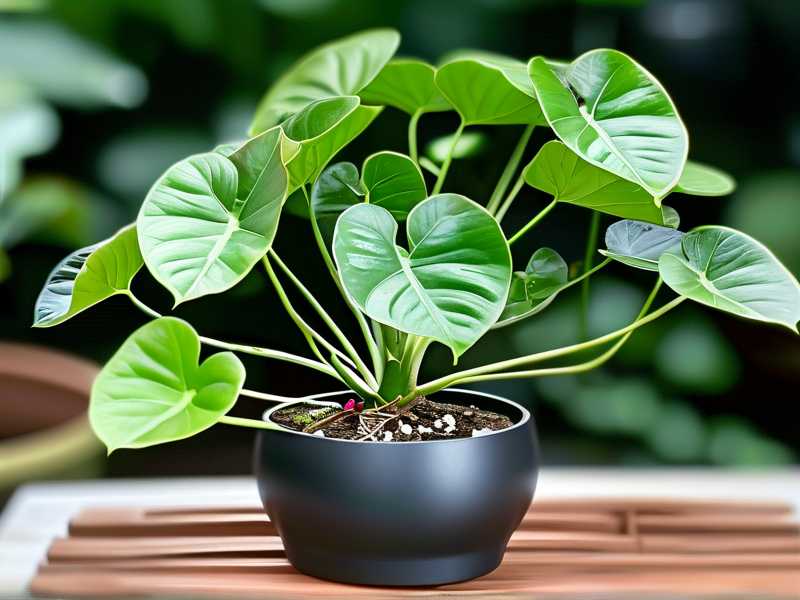
I killed three Philodendron Moonlights before I figured this out. The short answer: water only when the top 2–3 inches of soil are dry, use a pot with drainage holes, and never let the saucer sit full of water. That's it. That's the whole secret. Everything else is just detail. And here's the stat that changed how I think about every houseplant I own: 90% of indoor plants die from overwatering. Not underwatering. Overwatering. Let that sink in for a second.
My fourth Moonlight is now two years old and pushing out a new leaf roughly every three weeks. I water it maybe every 10–14 days depending on the season. I've kept a close eye on it for the past two weeks specifically to write this, checking the soil moisture with a wooden chopstick every single morning. I wanted real numbers, not vibes.
Let's get into it.
Why Philodendron Moonlight Is Trickier Than People Admit
Philodendron Moonlight is a hybrid. It's got those bright chartreuse-yellow leaves that everyone falls in love with at the nursery. But here's the thing most care guides skip: those soft, thin leaves transpire faster than the thick leathery leaves of, say, a Philodendron Birkin.
That means the plant drinks more. But it also means the roots are sitting in a pot that stays wet longer than you'd expect if you're using the wrong mix.
I learned this the hard way. My first Moonlight came in a plastic nursery pot with dense peat-based soil. I watered it once a week like clockwork because some blog told me to. Three weeks later the lower leaves went yellow. Then brown. Then mushy. Root rot.
The RHS puts it plainly: poor drainage is the number one killer of container-grown aroids. They're not wrong.
The Only Watering Method That Actually Works
Forget schedules. Forget "water every Sunday." That's how you kill a Moonlight.
Here's what I do now:
Stick a wooden chopstick or bamboo skewer into the soil, all the way to the bottom of the pot. Pull it out. If it comes out dark and feels damp, wait. If it comes out mostly dry with just a hint of moisture at the tip, water.
That's the whole test. Takes five seconds.
When I do water, I take the pot to the sink and run room-temperature water through it until it flows freely out the drainage holes. Then I let it sit there for 10 minutes to finish draining before putting it back on the shelf.
I never water in place. I never let it sit in a saucer of runoff. I tried the "bottom watering" thing for a month and honestly? It worked fine, but it's slower and I kept forgetting the pot was sitting in water. Almost lost the plant twice. Not worth the risk for me.
The 3 Mistakes That Kill Almost Every Moonlight
Mistake #1: Watering Too Often (The Big One)
This is the killer. I don't care what the tag at the garden center said. Your Moonlight does not need water every week.
In my experience, a 6-inch pot in normal indoor conditions (65–75°F, moderate humidity) needs water every 10–14 days in spring and summer. Every 14–21 days in fall and winter. Sometimes longer if your home is cool.
I know that sounds like a long time. It is. Get over it. The plant will tell you when it's thirsty — the newest leaves will droop just slightly, and the soil will be bone dry three inches down.
The AHS recommends always checking soil moisture before watering any tropical houseplant. I'd go further: when in doubt, wait another two days.
Mistake #2: Wrong Light Makes Watering Impossible to Get Right
Here's something nobody tells you: light and water are the same conversation.
If your Moonlight is sitting in a dark corner, it's not photosynthesizing much. It's not growing. It doesn't need much water. But the soil still stays wet for weeks because there's no warmth or airflow to dry it out.
I had mine in a north-facing room for the first six months. I watered it maybe every three weeks. And it still almost rotted because the soil never dried.
Now it sits about four feet from a south-facing window, filtered through a sheer curtain. Bright, indirect light. The soil dries out predictably. I can actually water on a rhythm.
A Moonlight in good light can handle — and needs — more water than one in low light. That's just physics.
Mistake #3: The Wrong Pot Is a Slow Death Sentence
I'm going to be blunt: if your Moonlight is in a pot without drainage holes, you're gambling. Every single time you water.
I tried a cute ceramic cachepot with no holes once. I was so careful. I measured my water. I used a moisture meter. The plant still declined over about two months because salts and moisture built up at the bottom with nowhere to go.
Now every Moonlight I own goes into a pot with at least one drainage hole. I use a chunky aroid mix — roughly 40% potting soil, 30% orchid bark, 20% perlite, 10% horticultural charcoal. It drains fast and holds just enough moisture.
And I size up only when roots are circling the bottom. A Moonlight in a pot that's too big will rot almost every time. The roots can't drink all that moisture fast enough.
What I Noticed Over 2 Weeks of Careful Observation
I kept a log. Here's what happened with my current Moonlight over 14 days in mid-spring:
Day 1: Watered thoroughly. Soil mix was dry 3 inches down. Day 3: Soil surface still slightly dark. Chopstick test showed moisture at 2 inches. Day 5: Surface dry. Chopstick clean at 1 inch, damp at 2. Day 7: Chopstick clean at 2 inches. Almost time. Day 9: Completely dry at 2 inches. New leaf unfurling. Day 10: Watered again.
So it took 9 days between waterings. In summer, it might be 7. In winter, closer to 18.
That's the range. It's not fixed. It depends on your home, your pot, your mix, your light.
The "Weight Test" That Saves Me Every Time
I still use the chopstick, but I've added a second method: lift the pot.
A freshly watered 6-inch Moonlight weighs noticeably more than a dry one. After a while, you'll just know by feel. It sounds woo-woo but it's not. It's just calibration.
I pick up the pot every few days. If it feels light, I check with the chopstick. If it feels heavy, I walk away.
I've been doing this for two years. I haven't lost a Philodendron since.
What About Humidity and Misting?
Moonlights like humidity — 50–70% is ideal. But misting the leaves does almost nothing for root health and can actually encourage fungal issues if water sits in the leaf axils.
I run a small humidifier nearby in winter when indoor humidity drops below 40%. That's it. No misting. No pebble trays that don't work. Just a humidifier.
The roots don't care about humidity. They care about oxygen. Wet soil suffocates them. Dry-ish soil lets them breathe.
Signs You're Already Overwatering (And What to Do)
Yellow lower leaves. Mushy stems near the soil line. Soil that smells sour or sulfurous. Fungus gnats circling the pot.
If you see these, stop watering immediately.
Take the plant out of the pot. Rinse the roots under room-temperature water. Cut away any brown, mushy roots with sterilized scissors. Repot in fresh, dry aroid mix. Don't water for at least five days.
I've saved two Moonlights this way. One survived. One didn't. It's a coin flip once rot sets in.
Frequently Asked Questions
How often should I water Philodendron Moonlight?
There's no fixed schedule. Water when the top 2–3 inches of soil are dry. That's usually every 10–14 days in warm months and every 14–21 days in cooler months. Always check the soil first.
Can Philodendron Moonlight recover from root rot?
Sometimes. If you catch it early — yellow leaves but firm stems — you can trim the rotten roots, repot in fresh dry mix, and wait. If the stems are mushy, it's usually too late. Prevention is everything here.
Is tap water okay for Philodendron Moonlight?
Mine gets tap water that's sat out overnight to off-gas chlorine. I haven't noticed any issues. If your tap water is very hard or high in salts, filtered or distilled water is a safer bet long-term.
The Bottom Line
Philodendron Moonlight isn't a difficult plant. It's just unforgiving of routine watering.
Check the soil. Wait longer than you think you should. Use a pot with holes. Give it bright indirect light. That's the whole game.
I killed three before I learned this. You don't have to.