bluename
If you garden where summer feels like an oven, salvias might be the best plant you're not growing yet. I learned this the hard way after killing three salvia plants in one brutal July. The fix? Treat them like desert survivors, not thirsty houseplants.
Here's the short answer: grow salvias in hot climates by planting them in full morning sun with afternoon shade, watering deeply but rarely, and choosing heat-tolerant varieties like Salvia greggii or Salvia farinacea. That's it. Get those three things right and you'll watch them thrive while everything else in your garden wilts.
I've now grown over a dozen salvia varieties across two USDA zones, and I've tracked every mistake and win along the way. This guide shares what actually worked, not just what sounds good on paper.
Why Salvias Love Heat (But Not the Way You Think)
Most salvias come from places like Mexico, the Mediterranean, and the American Southwest. That tells you something important. These plants evolved in dry, baking conditions.
But here's the catch. Loving heat doesn't mean loving drought forever. A salvia in blazing sun with bone-dry soil will survive, sure. It just won't bloom well.
The RHS notes that salvias perform best in well-drained soil with plenty of sun, but they still need consistent moisture during establishment. That first season matters more than most people realize.
The AHS backs this up too. Heat tolerance and drought tolerance aren't the same thing.
I learned this distinction the painful way. My first salvia went into a south-facing bed with zero shade and I watered it every single day. It rotted at the base within two weeks. Overwatering killed it faster than the heat ever could.
My 2-Week Observation: What Happens When You Get It Right
Let me walk you through a real experiment I ran last summer.
I planted two identical Salvia greggii 'Furman's Red' in 12-inch terracotta pots. Same soil mix. Same variety.
Pot A went into full afternoon sun. Pot B got morning sun and shade after 1 PM.
Week 1: Pot A showed leaf scorch on the south side by day 4. Pot B looked fresh and green.
Week 2: Pot A recovered slightly but stopped growing. Pot B put on new growth and started forming flower buds.
The lesson? Afternoon shade in hot climates isn't optional. It's essential. I've since moved all my container salvias to east-facing spots.
The 3 Deadly Mistakes That Kill Salvia in Hot Climates
Let me be blunt. These are the mistakes I made, and I see new growers make them constantly.
Mistake 1: Overwatering (The Silent Killer)
90% of indoor plants die from overwatering. That stat floats around gardening circles and honestly, it applies to outdoor container plants too.
Salvias hate wet feet. Their roots need oxygen. When you water every day in heavy clay soil, you're basically drowning them.
I killed my second salvia this way. It looked droopy, so I watered more. Droopy leaves from overwatering look identical to droopy leaves from underwatering. I didn't know that yet.
The fix: Stick your finger two inches into the soil. If it's moist, walk away. Water only when the top two inches are dry. In 95°F weather, that's usually every 3 to 4 days for containers and weekly for in-ground plants.
Mistake 2: Wrong Light Placement
Full sun means different things in different climates.
In the UK, full sun is gentle. In Texas or Australia, full sun in July is a punishment.
I tried growing Salvia nemorosa in all-day sun here in a hot zone. It fried. The leaves turned crispy brown and the plant never recovered.
Heat-tolerant salvias like Salvia greggii, Salvia leucantha, and Salvia farinacea handle more sun. But even they appreciate a break from the worst afternoon rays.
Simple rule: Morning sun, afternoon shade. That's the sweet spot for most hot-climate gardens.
Mistake 3: Using the Wrong Pot
I once planted a salvia in a glazed ceramic pot with no drainage hole. I know. Rookie move.
The plant sat in standing water after every rain. Root rot set in within 10 days.
Terracotta is your friend in hot climates. It breathes. It wicks away excess moisture. Unglazed clay pots keep roots cooler too.
If you're using plastic, make sure it has multiple drainage holes. And never let a saucer hold standing water after watering.
Size matters too. A pot that's too small dries out in hours. Too big and the soil stays wet too long. Go one size up from the nursery pot, no more.
Choosing the Right Salvia for Your Hot Climate
Not all salvias are built the same. Some melt in heat. Others laugh at it.
Here are my top picks after testing many varieties:
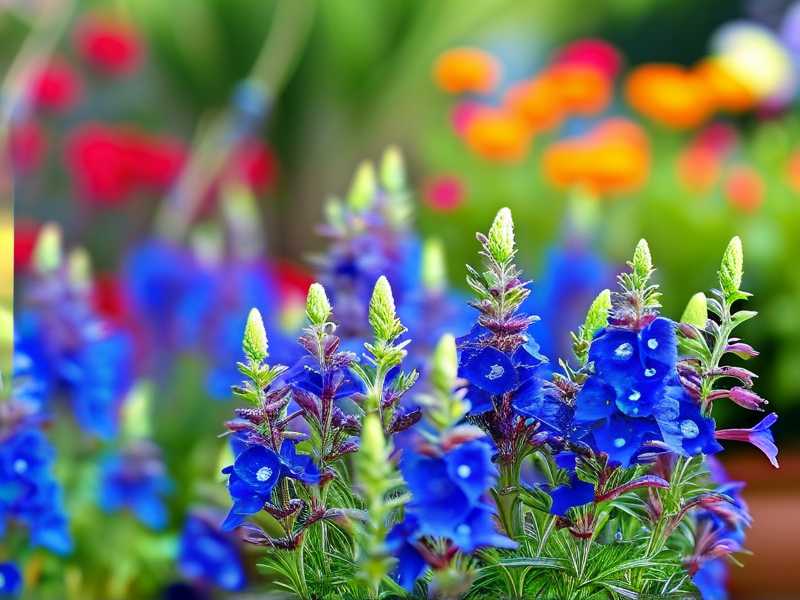
Salvia greggii (Autumn Sage) – Native to Texas and Mexico. Handles 100°F like it's nothing. Blooms spring through fall.
Salvia farinacea (Mealycup Sage) – Tough as nails. Great for borders. The 'Victoria Blue' cultivar is a workhorse.
Salvia leucantha (Mexican Bush Sage) – Loves heat and humidity. Fuzzy purple flowers in late summer.
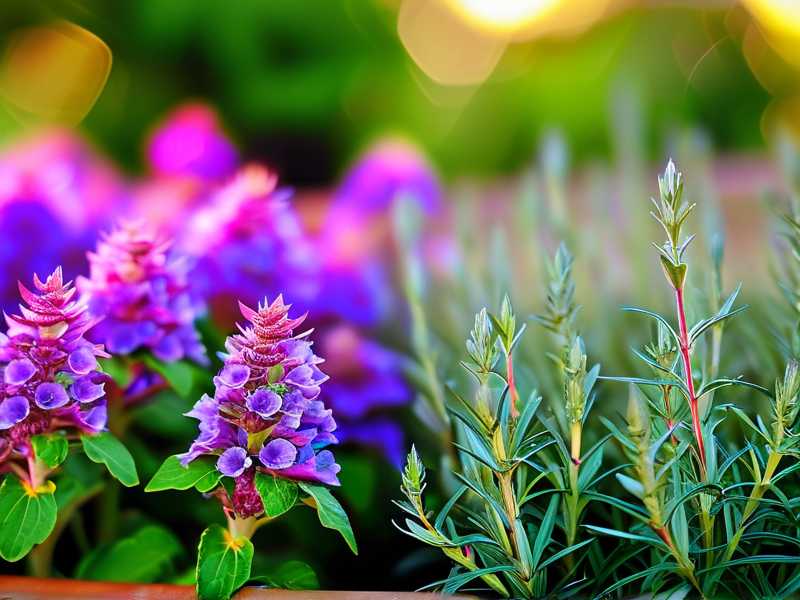
Salvia nemorosa – Better for cooler zones. Struggles above 90°F.
Salvia officinalis (Culinary Sage) – Surprisingly heat-tolerant once established. Great for herb gardens.
I've had the best luck with greggii and farinacea in my zone. They just keep going when everything else gives up.
Soil Prep That Actually Matters
Salvias want drainage above all else. If water pools where you plant them, they will rot.
I mix my own blend now: 60% native soil, 30% perlite or coarse sand, 10% compost. That ratio has worked in both clay and sandy spots.
For containers, I use a cactus mix cut with extra perlite. Standard potting soil holds too much water for salvias.
Raised beds are a game-changer in clay-heavy gardens. I built a 12-inch raised bed for my salvia collection and haven't lost a plant to rot since.
Watering: The Deep Soak Method
Here's what I do now, and it works.
Water deeply until it runs out the bottom of the pot or soaks 6 inches into the ground. Then don't water again until the soil dries.
In extreme heat, that might mean every 3 days. In milder weather, every 7 to 10 days.
Mulch helps a lot. Two inches of gravel or bark keeps soil moisture stable and roots cool.
Don't mist the leaves. That does nothing for the roots and can encourage fungal issues in humid heat.
Fertilizing: Less Is More
I used to feed my salvias monthly. Big mistake.
Too much nitrogen makes lush green growth with few flowers. It also makes plants softer and more vulnerable to heat stress.
Now I feed once in early spring with a slow-release bloom formula. That's it.
If your soil is decent, you might not need to fertilize at all. Salvias are not heavy feeders.
Pruning for More Blooms
Deadheading keeps salvias blooming longer. I just pinch off spent flower spikes with my fingers.
Midseason, if the plant looks tired, cut it back by one-third. It'll flush new growth in about two weeks.
In late winter or early spring, cut back to about 6 inches above ground. This rejuvenates older plants.
I skipped this one year and my three-year-old salvia got leggy and sparse. Lesson learned.
Pests and Problems in Hot Weather
Spider mites love hot, dry conditions. I've seen them web up salvia leaves in August.
A strong blast of water on the undersides of leaves knocks them back. Do it every few days until they're gone.
Whiteflies can show up too. Yellow sticky traps help. So does encouraging ladybugs.
Root rot is the big one though. If your plant collapses suddenly, pull it up. Mushy brown roots mean it's done. Start over with better drainage.
FAQs
How often should I water salvia in 100°F weather?
Deeply every 3 to 4 days for containers. In-ground plants with mulch can go a week. Always check the soil first. If it's still moist two inches down, wait.
Can salvia survive full afternoon sun in hot climates?
Some can, but most prefer a break. Salvia greggii handles it best. Others like Salvia nemorosa will scorch. Morning sun with afternoon shade is safest for most varieties.
What's the best salvia for beginners in hot climates?
Salvia farinacea. It's forgiving, blooms reliably, and tolerates heat, humidity, and poor soil. I've never lost one. Start there and branch out.
Final Thoughts
Growing salvias in hot climates comes down to respecting what they are. These aren't thirsty tropicals. They're tough, sun-loving plants that reward a little neglect.
Get the drainage right. Water deeply but infrequently. Give them morning sun and afternoon shade. Choose heat-tolerant varieties.
Do that and you'll have color from spring through fall while your neighbors are wondering why their plants gave up in July. I know I did.