bluename
If your lotus looks more like a brown crisp than a water garden queen, stop watering it immediately. Yes, you read that right. 90% of indoor plants die from overwatering, and lotus plants are no exception, even though they live in water. The fastest way to revive a dying lotus is to pull it out of the murky mess, trim all rotten roots and leaves, and give it a shallow, sunny recovery bath with clean water. I have killed three lotus plants before I figured this out. Let me walk you through the exact steps I use now, with a two-week observation log so you know what to expect at every stage.
Why Your Lotus Is Dying (My Brutal Honesty)
I used to think lotus was unkillable. I mean, it grows in muddy ponds, right? How hard could it be?
Turns out, very hard. Especially in containers. The most common killer is not neglect. It is overcare. We drown them with love, literally.

Here is the thing. A lotus rhizome needs specific conditions. When those conditions shift, the plant sends out distress signals. Yellow leaves. Brown spots. Mushy stems. Foul smell from the water. If you catch these early, you can save it. If not, the rot spreads fast.
I remember my first lotus. I was so proud of that tiny tuber. I placed it in a deep pot, filled it with heavy garden soil, and submerged it under six inches of water. Within a week, the leaves turned black. I panicked and added more water. Two weeks later, it was a slimy mess. I actually cried a little. That was my $25 lesson.
The Fast Fix: Step-by-Step Rescue Plan
Step 1: Stop Everything and Assess the Damage
First, take a deep breath. Then, gently lift the lotus pot out of its location. If you are growing in a pond, carefully pull the container up to the edge. You need to see the rhizome.
Do not yank it. Lotus roots are brittle. I snapped one once, and the whole plant died within days. Be gentle.
Look at the water. Is it cloudy? Does it smell like rotten eggs? Are there mosquito larvae wriggling around? That is a bad sign. It tells me the water has gone stagnant and anaerobic. The roots are suffocating.
Step 2: The Unpotting and Surgery
This is the scariest part for most people. I get it. But you have to do it.
Take the entire root ball out. Rinse the roots with a gentle stream of lukewarm water. Use your fingers to tease away the old soil. You are looking for the rhizome. It should be firm and white or light yellow.
If it feels mushy, brown, or smells terrible, you have root rot. Do not despair. I have saved plants with less than half their rhizome intact.
Now, get a clean, sharp pair of scissors or pruning shears. Sterilize them with rubbing alcohol first. I cannot stress this enough. I skipped this step once and introduced a fungal infection that killed my second lotus.
Cut away every single mushy, brown root. Cut until you see white flesh. If the entire rhizome is brown, cut back to the firmest point. Sometimes, there is only a tiny nub left. That is okay. It can regrow if you treat it right.
Also, trim the leaves. Cut off all yellow, brown, or damaged leaves right at the base. Leave only the healthy green leaves and any new shoots. If there are no healthy leaves, that is fine. The rhizome stores energy.
Step 3: The Antiseptic Dip (Do Not Skip This)
This was the game-changer for me. After cutting away the rot, the open wounds are vulnerable. You need to disinfect them.
I fill a small bowl with water and add a few drops of hydrogen peroxide (3% solution). Then I soak the root system for about 5 minutes. This kills any remaining fungus or bacteria on the surface.
Alternatively, you can use a fungicide powder. I have used a cinnamon dusting before in a pinch. It actually works as a natural antifungal. Just dip the cut ends in ground cinnamon. It sounds weird, but it saved my third lotus.
Step 4: The Recovery Shallow Water Bath
Here is the secret that took me three dead plants to learn. Do not immediately put the lotus back into deep water. It needs to heal first.
I use a shallow, wide tray or a bowl. Think of it like a hospital bed for the plant. I place the rhizome horizontally on top of a thin layer of aquatic soil or even just clean gravel. Then I add water that is only an inch or two deep. Just enough to cover the roots, not the top of the rhizome.
Place the tray in a spot that gets full sun. Lotus need at least 6 hours of direct sunlight daily. If you are indoors, use a strong grow light. I tried to revive one in a shady corner once. It never recovered. Light is non-negotiable.
Step 5: The Two-Week Observation
Now comes the waiting game. And this is where most people mess up again. They see no progress in three days and assume it is dead. They throw it away or start overwatering in desperation.
Do not do that. Lotus recovery takes time. Here is my exact two-week log from the last time I saved a dying plant.
Days 1-3: The water stays crystal clear. The rhizome sits still. Nothing happens. I check the water temperature. It should be warm, around 70-75°F (21-24°C). Do not change the water. Let it sit.
Day 4: I see the tiniest green tip emerging from one of the nodes. It looks like a small worm. I get excited but I keep my hands off. Honestly, I take a photo with my phone and zoom in. It is that small.
Day 6: The green tip grows taller. It is clearly a new shoot reaching for the sun. A second node starts to swell. I add a tiny bit more water, but I keep it shallow. Maybe two inches now.
Day 8: The first new leaf starts to unfurl. It is small and bright green, a stark contrast to the brown crisps I trimmed off. This is a huge milestone. The plant is officially on the mend.
Day 10: I start to see little roots spreading out from the healthy sections. They are white and look like fine threads. I gently push them down into the gravel so they can anchor.
Day 12: The original leaf has fully expanded. It looks like a little lily pad floating on the surface. I see a second leaf starting to form. The energy is visibly flowing.
Day 14: The plant has three or four established leaves. The roots are dense and anchoring well. I decide it is time to move it back to its permanent home.
Step 6: The Permanent Replanting (Without the Old Mistakes)
When you move the lotus back perman to its pot, do not repeat your old habits. This is where the "3 fatal mistakes" come into play.
The 3 Fatal Mistakes Beginners Make (I Made Them All)
Mistake 1: Overwatering (Yes, Even in Water)
This sounds crazy. How can you overwater a water plant?
But it is true. The issue is not the water itself. It is the lack of oxygen. When you submerge the rhizome too deep, it cannot breathe. The leaves might be above water, but the rhizome is suffocating.
I remember my second lotus. I was so scared of it drying out that I kept adding water. The pot got deeper and deeper. The water got murkier. I thought deeper water meant more stability.
Actually, it meant death. The rhizome started rotting from the bottom up.
The fix is simple. In the growing phase, keep the water level just an inch above the soil surface. Once the plant is established and tall, you can raise the water level. But for young or recovering plants, shallow is always better. I have learned that lotus like wet feet but dry heads. Please remember that.
Mistake 2: Wrong Lighting (Sunlight is Food)
Lotus are sun worshippers. They will not survive in a dim corner.
I have seen people try to grow them on a covered patio or in a bright room indoors. That is not enough. They need blinding, direct, all-day sun to generate energy for flowering.
When light is insufficient, the plant cannot photosynthesize properly. The leaves turn yellow. The plant weakens. It becomes susceptible to disease and pests.
I once placed my pond in an area that got only morning sun and afternoon shade. The lotus grew leaves but it never flowered. And during a cloudy week, it started to decline. I moved the pot to a spot with full sun and it bounced back. Just like us, they need sunlight to thrive. If you do not have a sunny spot, you might want to consider outdoor pond gardening or a high-intensity grow light.
Mistake 3: Using the Wrong Pot (Container Depth and Material)
This is a silent killer.
Lotus do not need a deep pot. They actually grow horizontally. The rhizome spreads along the shallow bottom. If you use a tall, narrow pot, the rhizome has nowhere to go. It will spiral around itself and suffocate.
I am guilty of this. My very first lotus was planted in a tall decorative vase. It looked gorgeous on Instagram. But the plant was fighting for space every second. It produced one limp leaf and then just gave up.
The Royal Horticultural Society (RHS) notes that water lilies and lotus prefer wide, sturdy containers. A wide, shallow bowl or a plastic tub works best. I now use a wide, low planter that is more like a basin than a pot. My lotus has never been happier.
Also, consider the material. Terracotta pots are porous. They can wick away moisture and also crack in freezing temperatures. Glazed ceramic or heavy-duty plastic is safer. I use black plastic tubs because they absorb heat, which lotus love.
The Role of Soil and Fertilizer (My Honest Take)
Let me tell you about soil. I made a huge mistake using regular potting mix. It is too light and floats away. The water becomes muddy soup.
And forget about adding fertilizer right away. When you are reviving a dying lotus, the plant is in shock. It cannot process food. In fact, feeding a stressed plant is like giving a steak to someone with a stomach flu. You will only make it worse.
Wait until you see new healthy growth. That took me about 10-14 days in my last rescue. At that point, I push a slow-release aquatic fertilizer tablet into the soil near the roots. Do not scatter it in the water column. That causes an algae bloom. I have made this mistake, and I spent weeks cleaning green slime off the surface.
Aquatic soil tablets are key. I get them from a local garden shop. Follow the dosage instructions carefully.
What About the Leaves? (Air Circulation Matters)
If you notice the new leaves are looking a bit deformed, or there are black spots appearing, do not automatically blame the roots. Sometimes, it is a fungal issue above the water line.
Lotus leaves are hydrophobic. Water beads up and rolls off. But if air circulation is poor, moisture lingers and causes rot.
I lost a leaf to this last summer. It started as a tiny brown speck. Within a week, the whole leaf was a black, mushy mess. I removed it immediately to stop the spread.
You need to ensure your lotus has airflow. If it is indoors, keep a fan oscillating nearby at low speed. Outdoors, do not crowd the lotus pot with other tall plants that block the breeze.
The Temperature Factor (Do Not Shock Them)
Here is a subtle detail many people overlook. Lotus are tropical and subtropical plants. They do not like sudden temperature swings.
When you bring a plant in from a cold garage to a warm house, or move it from a warm pond to a cooler spot, you stress it out. The plant may go into shock and drop all its leaves.
The American Horticultural Society (AHS) recommends maintaining stable growing conditions. I keep my rescue tray at a consistent temperature. I do not move it around during the recovery phase. I find a spot and I leave it there for two solid weeks.
When I was preparing to move my lotus outside for the summer, I hardened it off gradually. I placed it outside for a few hours, then brought it in. I increased the time daily. It helped reduce transplant shock dramatically.
A Personal Story of Failure (So You Do Not Do This)
I want to tell you about my worst lotus experience. It was with my second plant, the one I killed after the cinnamon incident.
I had successfully revived the root system. Leaves were growing. I was confident. I decided to move it to its big, beautiful final pot. This was day 16, a little earlier than I should have.
The big pot had deep water, about 8 inches. It was a gorgeous glazed ceramic container. I lowered the plant in and walked away feeling proud.
Wrong move.
The rhizome had not developed a strong enough root anchor yet. The deep water prevented oxygen from reaching the surface of the rhizome. The soil I used was too heavy and compacted the roots.
Within four days, the leaves started to turn yellow again. By day ten, the rot was back. I pulled it up and found the new roots had all turned brown and mushy. I was heartbroken.
I let the pond sit empty for a month after that. It was too painful to look at.
I finally gathered the courage to try again. This time, I promised I would be patient. I kept the plant in the shallow tray for a full 3 weeks until the roots were abundant and thick. Then I moved it to a low, wide container, not a tall vase. And I only filled the water level to two inches above the soil line. That plant thrived all summer and produced three beautiful blooms.
The lesson I want you to learn is this. Patience is not just a virtue. It is the literal difference between a live lotus and a dead one. Do not rush the recovery process. Your plant will tell you when it is ready.
Troubleshooting Common Concerns (Real Talk)
Why Are My New Leaves Turning Black at the Edges?
This is usually a sign of fertilizer burn or hard water. I had this happen when I used tap water with high chlorine. I started letting my water sit out in a bucket for 24 hours before using it. This allows the chlorine to evaporate. It solved the problem. Simple as that.
My Water is Green. Is That Bad?
Green water means algae. It is not always deadly, but it steals nutrients from the lotus. It can also block sunlight from reaching the rhizome.
I avoid this by not overfeeding. I keep the container in full sun, which ironically helps. Aquatic plants actually release chemicals that suppress algae. If you get an algae bloom, you can do a partial water change. Swap out 30% of the water with fresh, dechlorinated water. Do not replace it all at once. That creates another shock.
Should I Cut the Flower Stems Off Dying Plants?
If your lotus is dying and has flower buds, cut them off immediately. Flowering takes a massive amount of energy. A struggling lotus cannot afford that expense. I know it is sad to sacrifice the blooms. But you are saving the plant. It will flower again next season when it is strong.
Common Pests and Diseases to Watch For
While you are reviving your lotus, stress attracts pests.
Aphids: These little green bugs love lotus leaves. I spray them off with a strong jet of water. For heavy infestations, I use a mild insecticidal soap. Always test on a small leaf first.
Fungal Rot: We talked about this. Prevention is key. Ensure good airflow and clean water.
Lotus Mites: These are microscopic. They cause leaves to turn bronze and curl. If you see this, increase humidity around the plant and use a miticide.
A Note on Hardiness and Climate
Lotus are not all the same. Some are hardy, some are tropical. Hardy lotus can survive winters in USDA zones 4-10. Tropical lotus need warmer climates, zone 10-11.
For my friends in the UK, the RHS suggests that growing lotus outdoors in the British Isles is tricky. The summers can be too cool and short. They often recommend growing in a heated greenhouse or a very sheltered, sunny patio.
For my American and Canadian readers, you have more flexibility. But remember, if your pond freezes solid, your lotus will die. You might need to store the rhizome indoors over winter.
The AHS provides excellent guidance on selecting the right varieties for your heat zone. I always check my zone before buying. It saves a lot of heartache.
Essential Tools and Materials
I want to provide you with a simple list of things I always keep on hand for lotus rescue missions:
- A shallow recovery tray or wide bowl
- Clean, sharp scissors or pruning shears
- Rubbing alcohol for sterilization
- 3% hydrogen peroxide
- Cinnamon powder (natural antifungal)
- Dechlorinated water
- Aquatic slow-release fertilizer tablets
- A wide, sturdy growing container for the permanent move
You do not need a lot of fancy equipment. Just the basics and a lot of patience.
The Long-Term Care Routine (After Recovery)
Once your lotus is back in its permanent home and showing consistent growth, you need to switch to maintenance mode.
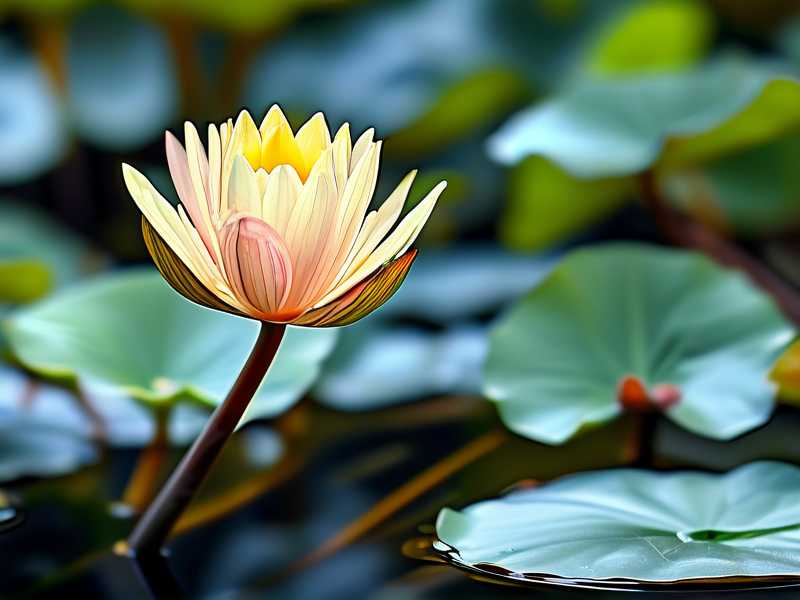
In early spring, I gently repot my lotus into fresh soil. I divide the rhizome every two years to prevent overcrowding. This sounds intimidating but it is similar to what we did in the rescue. Cut away the old, woody parts and keep the new, vigorous growth. Repot the healthiest sections.
Fertilize monthly during the growing season. Stop fertilizing in late summer so the plant can harden off for dormancy.
Keep the water level consistent. Top it up with dechlorinated water when it evaporates. In autumn, let the leaves die back naturally. They transfer energy to the tuber for next year.
I used to think I needed to cut down the yellow leaves immediately. Actually, I was starving the underground tuber. The leaves are the energy factory. Let them fully brown and wilt before you remove them. Only if they show signs of rot should you cut them early.
Strange, Yet Useful Tips I Picked Up
I learned a few odd tricks over the years.
One trick is to use a small piece of charcoal in the water. It helps keep the water fresh and prevents harmful bacteria. I drop a small lump of activated charcoal into the tray. It absorbs impurities. Cheap and effective.
Another trick is to put a few rabbit poop pellets into the soil as a slow-release fertilizer. I know, it sounds gross. But it was a tip from an old gardener. It works, though. It provides nitrogen and other micronutrients. Obviously, this is for plants, not indoor spaces.
Frequently Asked Questions (Real Scenarios)
How often should I change the water during revival?
Do not change the water unless it becomes visibly cloudy or smelly. Replacing the water strips away beneficial bacteria and can shock the plant. I only top off with fresh dechlorinated water to maintain the level. If I do a change, I only do a partial 20-30% swap, not a full one.
It has been a week and I see zero signs of life. Is it dead?
Not necessarily. A lotus rhizome in shock can remain dormant for weeks. It is conserving energy. As long as the rhizome is firm, it is alive. A mushy rhizome is dead. If you only have a firm piece left, keep waiting. I had a rhizome a while back that sat for 3 weeks before producing a tiny shoot. You just have to trust the process.
Can I use tap water for my lotus?
Ideally, no. Tap water contains chlorine and sometimes fluoride. These chemicals can harm sensitive aquatic plants. If you must use tap water, let it sit out for a day or two so the chlorine evaporates. If your water is very hard naturally, consider using rainwater. Lotus prefer slightly soft to neutral water conditions. Using rainwater changed the game for my collection.
Why are the leaves growing but no flowers?
This is a common frustration. It usually indicates the plant is getting too much nitrogen (from green leafy growth) and not enough phosphorus and potassium. I switch to a fertilizer that is higher in phosphorus during the blooming period. Also, make sure the plant has enough space. An overcrowded pot will prioritize leaf growth over blooming every single time.
My Final Words of Encouragement
I know how depressing it is to see your lotus plant dying. It feels like a personal failure. But trust me when I say it is not the end. I have killed entire pots and successfully resurrected others. It is a learning curve.
Take a step back, diagnose the problem, and be ruthless in cutting away the rot. Give the plant the shallow water, the full sun, and the patience it needs. Within two weeks, you will usually see a sign of life. It might be small, but it is there.
I remember the day I saw my very first new leaf after the big rescue. I actually felt a wave of relief wash over me. It was a small, unassuming green disc. But it represented everything. It meant I had done right by the plant. It meant I had solved the puzzle.
So do not give up yet. If you follow these steps and avoid the three deadly sins of overwatering, wrong lighting, and the wrong pot, you have a strong chance.
Just remember, lotus are survivors. They have lived for millions of years. They just need a little help from you to get back on their feet. You can do this.