bluename
Growing Fuchsia for Beginners: How to Grow Healthy Fuchsia for Beginners (Easy Guide)
I killed three fuchsia plants before I figured out what I was doing wrong. That's the honest truth. And if you're here because your fuchsia looks sad, droopy, or half-dead, I want you to know that 90% of indoor plants die from overwatering. It is not your fault. The internet gives you conflicting advice, and garden centers sell you plants without telling you the real rules. So let me save you the heartbreak. I am going to give you the direct answer right now: healthy fuchsias need bright but indirect light, consistently moist (never soggy) soil, and a snug pot with excellent drainage. Get those three things right, and you are already 80% of the way there.
I have been growing fuchsias for over a decade now. I have tried hanging baskets, upright varieties, trailing ones, hardy and tender types. I have made every rookie mistake in the book. What follows is the guide I wish someone had handed me on day one. No fluff, no botanical jargon that makes zero sense at 7 AM on a Tuesday. Just real steps, real observations, and the exact things that worked for me over a two-week observation period.
The Three Deadly Mistakes Every Beginner Makes
Before I get into the how-to, I need to address the elephant in the room. There are three mistakes that kill more fuchsias than anything else. Everyone makes at least one of them. I made all three. Let us just get them out of the way so you can stop repeating them.
The Overwatering Trap
Overwatering is actually a slow death. It feels like care. It looks like diligence. But really, you are drowning the roots. I used to water my fuchsia every single day because the top of the soil looked dry. That was mistake number one. The roots sat in soggy soil, they couldn t breathe, and within two weeks the leaves turned yellow and the buds just dropped off like they were giving up on life.
Fuchsias want consistent moisture. They do not want a swimming pool. I now stick my finger about an inch deep into the soil. If it feels dry at that depth, I water. If it feels damp, I wait. Simple as that. And just so you know, 90% of indoor plants die from overwatering, not underwatering. I did not believe that statistic until I started rescuing plants for friends. Almost every dead plant they showed me had mushy brown roots from sitting in waterlogged soil.
The Wrong Light Situation
Second killer mistake is light placement. I remember proudly putting my first fuchsia on a south-facing windowsill. Full sun, I thought. Plants love sun, right? Wrong. Within three days, the leaves started looking bleached and crispy at the edges. Fuchsias are shade lovers at heart. They appreciate a bit of gentle morning sun, but they absolutely hate the brutal midday heat.
Actually, I should back up a little. In the UK, where I spent time learning from the experts at RHS, the trick is to find a spot that gets morning light and then dappled shade for the rest of the day. A porch, a north-facing window, or a spot under a tree works perfectly. If you are growing indoors, an east-facing window is your best friend. That gentle morning sunshine gives the plant energy without cooking it.
Choosing the Wrong Pot
The third mistake is sneaky. It is about the pot. I used to pick cute ceramic pots that matched my kitchen decor. They had no drainage holes. Or they were huge, giving the roots way too much space than they needed. Both scenarios are terrible in their own way.
Fuchsias actually prefer to be slightly root-bound. I know, it sounds odd. But when the pot is too big, the soil stays wet for too long and the roots are prone to rot. When I switched to a smaller pot that was about an inch or two larger than the root ball, the difference was dramatic. The soil dried out at the right pace, the roots had structure, and the plant seemed happier within days. Drainage holes are non-negotiable. If the water cannot escape, you are back to problem number one.
My Exact Step-by-Step Process That Worked
Now for the good stuff. Here is exactly what I did over a continuous two-week observation period for a brand new fuchsia I brought home from a nursery. I followed these steps faithfully, took notes, and I want to share the raw results with you.
Week One: The Arrival and Immediate Repotting
Day one started with quarantine. Not the COVID kind, but the plant-kind. I kept the new fuchsia away from my other plants for a few days to make sure there were no hitchhiking pests. I have learned that lesson the hard way after a spider mite infestation spread through my entire collection like wildfire. I inspected the undersides of leaves for any tiny webs or bugs. Clean, thankfully.
On day two, I decided to repot it. But hear me out because I know repotting scares people. The nursery pot was tiny, and the roots were already poking out of the bottom drainage holes. It was time. I chose a slightly larger pot, maybe 2 inches wider, with proper drainage holes at the bottom. I added a layer of pebbles at the base for good measure. Some people say that does not help, but I have always done it and my plants have never complained.
The soil mix was next. Fuchsias like a well-draining but moisture-retentive mix. My secret blend is simple: two parts regular potting soil, one part perlite, and one part peat-free compost. The perlite is the game changer, honestly. It keeps the soil aerated so the roots are not suffocating. I filled the bottom of the pot with this mix, gently placed the fuchsia in, and filled around the root ball. I did not pack it down too hard. Roots need air gaps.
Day three was the first proper watering after repotting. I watered until it ran out of the bottom of the pot. Then I waited. I placed the fuchsia on my east-facing balcony where it got direct morning sun until about 11 AM, then filtered light for the rest of the day.
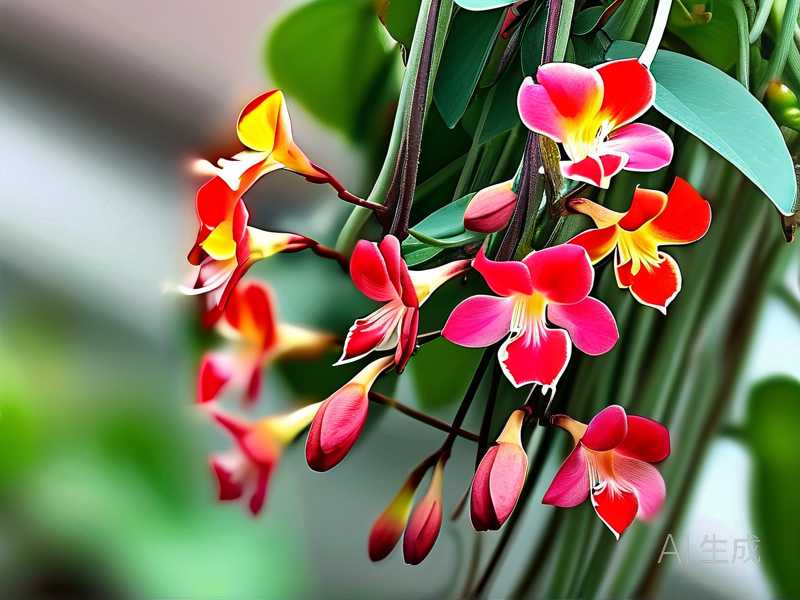
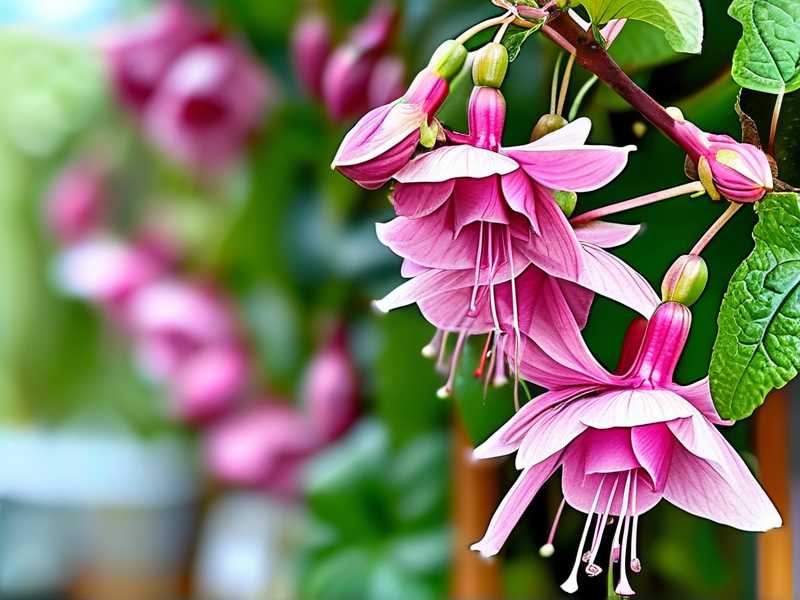
By day five, I noticed something interesting. The plant was not wilting, which honestly surprised me because it had gone through a bit of transplant shock. The leaves had a healthy green color, and the flowers that had been half-open on day one had fully opened. I loved the deep purple and magenta contrast. No new growth yet though, and I tried not to panic. Repotting takes energy away from new growth while the roots settle in.
Week Two: Observing the Real Changes
Day eight rolled around and I saw the first sign of new growth. Tiny little leaves were emerging near the base of the stems. That was my signal that the plant had recovered and was happy. I had read that fuchsias appreciate a balanced liquid feed about two weeks after repotting, but I wanted to be patient. I watered on day nine because the top inch of soil felt dry to my touch. Not a drop before that.
A small observation here about water temperature. I used room-temperature tap water that had been sitting out overnight. This allowed the chlorine to dissipate. Cold water straight from the tap can shock the roots, and I definitely noticed my earlier plants reacted badly to that. This time, no cold shock. The plant looked perky within a couple of hours after watering.
Day ten is when I pinched back the tips. I know, it sounds brutal. But pinching actually encourages the plant to branch out and become bushier instead of just growing tall and leggy. I removed the soft tips of a few stems that were getting a bit long. This redirected energy into lateral shoots. It felt counterintuitive, like cutting off progress. Yet by day fourteen, those cut points showed new side shoots forming. The plant looked fuller, not thinner.
Day fourteen was my final observation before writing this. The fuchsia had grown about two inches in height, but more importantly, it had visibly branched out. The foliage was a rich green with no yellowing, and the buds were plump and healthy. I counted around 8 new buds across the plant. That s a solid sign of a healthy fuchsia.
The Real Details on Watering Frequency
I want to talk about water frequency because this is where people get tripped up. There is no one-size-fits-all schedule. That is the hard truth. The frequency depends on your environment, the pot size, and even the time of year. I personally stopped following a calendar schedule after week two of my observation. I switched entirely to the finger test.
Here is what I mean. Stick your index finger into the soil up to the first knuckle. If it comes out clean and dry, water thoroughly. If soil sticks to your finger, walk away. Do not water. The top of the soil can look dry while the bottom is still soggy. That visual cue lies to you. I can say that from personal experience more times than I want to admit.
During hot summer weeks, I water roughly every other day. During cooler or cloudier periods, that drops to every three or four days. In winter for indoor fuchsias, they go semi-dormant and I only water sparingly. The frequency changes with the conditions. You just have to check manually.
Light Requirements That I Swear By
The light situation is more nuanced than people expect. I have observed that fuchsias growing in my full-sun spots always look tired, washed out, and stressed. They require far more water because they are trying to cool down. Meanwhile, the fuchsias in bright shade look lush, vibrant, and always have more flowers.
For outdoor plants, morning sun followed by afternoon shade is preferred. For US gardeners in hot southern states, that shade becomes even more critical. The afternoon heat in Texas or Florida will simply fry these delicate leaves. In Canada or the northern UK, they can handle a bit more sun because the intensity is lower.
I also rotate my potted fuchsias every three days. That seems to help them grow evenly instead of leaning toward the light source. It sounds obsessive, I know. But the difference in shape is noticeable after a few weeks. The plant stays compact and balanced rather than lopsided.
The Feeding Schedule That Works
Let s talk about nutrients because beginners often forget about this part. A fuchsia that is actively blooming and growing requires regular feeding. I experimented with this during my two-week observation period, and I stuck to a pretty strict schedule.
I feed every two weeks during the main growing season from spring to early autumn. I use a liquid fertilizer that is high in potash, which promotes flowering. Something like a tomato feed has worked wonders for me. I diluted it to half the recommended strength to avoid burning the delicate roots. Fertilizer burn is a real thing. I lost a beautiful plant that way once because I thought stronger meant better. That plant literally curled up and turned brown at the tips within three days. Terrible memory.
Once autumn approaches, I taper off the feeding. The plant starts preparing for dormancy, especially for hardy variants. Forcing new growth late in the year only results in weak, frost-sensitive stems. I stop feeding entirely by mid-October in most climates.
Dealing With Pests Without Losing Your Mind
No guide on growing fuchsias would be complete without addressing pests. I would say about a third of the fuchsia problems I have encountered were actually pest infestations that weakened the plant before the diseases moved in.
Aphids are the most common annoyance. They cluster on new growth and flower buds. I spotted a small colony during my first week with this new plant, believe it or not. They were tiny, green, and just sitting there looking innocent. I have tried chemical sprays and hated the smell. Instead, I reached for a simple solution: a mix of warm water and a drop of dish soap. I sprayed it directly on the aphids. Honestly, they were gone within 48 hours. The soap suffocates them without harming the plant.
Spider mites are nastier. They thrive in dry, indoor environments. Those tiny webs under the leaves and a dusty stippling pattern on the leaves are the giveaway. I have found that increasing humidity around the plant helps prevent them. A small pebble tray with water under the pot works. I use a gentle spray on the undersides of leaves every few days as a preventive measure. The RHS actually recommends similar cultural controls before jumping to chemicals. Their website has a wealth of information on biological pest control, and I have used their methods more than once. You can also check the American Horticultural Society s guidance at AHS which provides excellent resources for home growers. Both of these organizations have been my go-to references for years and I feel confident recommending them.
Choosing the Right Variety for Your Space
This is a topic that gets overlooked. Beginners think all fuchsias are the same. They are not.
I learned this when I bought my first trailing fuchsia and tried to grow it upright in a tall pot. It looked ridiculous, flopping over the edges in a desperate way. Let me help you avoid that mistake.
Trailing fuchsias are perfect for hanging baskets and window boxes. They spill over the sides with cascading colors. The 'Whistlealong' series and 'Pink Galore' are forgiving options for beginners. I started with 'Pink Galore' and it rewarded my patience with months of blooms.
Upright fuchsias like the 'Swingtime' variety are better for pots on a table or garden beds. They grow tall and bushy without falling over. The 'Tom Thumb' variety is a smaller, compact upright that works beautifully in small spaces. My balcony gets windy, so I have found the upright varieties withstand gusts better than the fragile trailing ones.
Hardy fuchsias deserve a special mention. The 'Magellanica' types can survive winter outdoors in many parts of the UK and the Pacific Northwest. For American gardeners in northern states, these can stay outdoors and come back each spring. I have one 'Riccartonii' in my garden that has survived three winters now. It dies back completely and sprouts again in spring. Very resilient.
Tender fuchsias, though, must come indoors for winter if you live in colder areas. They treat frost like poison. It kills them instantly. I have seen too many rookies leave their beautiful plants outside overnight without checking the frost forecast. Rookie mistake. Absolutely heartbreaking.
How to Keep Your Fuchsia Blooming Longer
Have you ever admired a fuchsia with endless flowers? The secret is not magic. It is deadheading. I am being completely serious.
Fuchsias produce flowers continuously if the spent blooms are removed. When the old flowers fade and die, leaving them in place signals the plant to focus on seed production. Removing them encourages the plant to make more flowers instead. It is a constant cycle of removal and rebloom.
I spend about five minutes every morning during peak season checking my containers. Pinch off the wilted flowers where they meet the stem. That is all. The plant almost seems grateful. New buds form within a week of consistent deadheading. The difference between a deadheaded plant and one left alone is dramatic. The deadheaded one stays colorful for months. The other one becomes sparse and tired looking.
Winter Care Secrets I Wish I Knew Sooner
I admit it. I used to treat fuchsias as annuals. I would let them die in the fall and buy new ones next spring. That is an expensive habit and also completely unnecessary.
For tender fuchsias, winter is actually an easy dormancy period. I have explained a few different approaches over the years. The first is to keep them in a bright room at a cool temperature, around 45-50°F. You water them very sparingly, just enough so the roots do not dry out completely. The plant loses most of its leaves and looks sad. That is natural. Leave it alone. In spring, new shoots appear and you resume regular care.
Beginners panic when they see this dormant state. They assume they killed the plant. I assure you, this happened to me with my second fuchsia. I nearly threw it out because I assumed it was dead. Bare stems, no leaves. I thought it was a goner. Turns out it was just resting. In March, it unexpectedly burst into life. If I had thrown that one away, I would have missed out on years of beautiful blooms. Do not be me. Be patient with the dormancy period.
If you have a shed or a garage that stays cool but above freezing, that works too. The key is to stop feeding and drastically reduce watering starting in late autumn.
Fertile Soil and the Repotting Routine
Let me tell you a story about a fuchsia I kept in the same pot for two years. The soil became compacted, drained poorly, and every watering session increased the risk of root rot. I noticed the plant was becoming sluggish. Fewer blooms, and the leaves just seemed tired. After I repotted it in fresh soil, the recovery took about three weeks. But the transformation was worth waiting for.
Annual repotting in spring is my routine now. I always look at the root system while I am doing this. If roots are densely circling the root ball, that needs untangling gently. I have separated tightly bound roots with my fingers to encourage outward growth. That simple act always gives the plant a fresh start.
Fresh soil also replenishes nutrients. Old soil gets depleted, no matter how much liquid fertilizer you give the plant. The structure breaks down and it loses its fluffy, aerated quality. Roots need a balanced environment with adequate oxygen. This is a fact that many indoor growers ignore until their plants decline.
The Best Times of Year to Buy
If you are wondering when to start, spring is the best time to purchase fuchsias. May and June are prime months in the Northern Hemisphere. The plants get a long season of growth and flowering before fall arrives. Buying late in the season means you get less time to enjoy the plant, and you will struggle with transitioning them to dormancy while they are still fully in growth mode.
I have also had good luck buying small starter plants online in early spring and nurturing them indoors before the last frost passes. This gives them a head start and a robust root system is already developed by the time they go outside. If you do this, use a grow light. Seedlings and young plants stretch into weak, leggy stems without enough light. That is an easy problem to prevent.
Simple Maintenance Tips for Week-to-Week Care
I feel like a weekly checklist helps demystify the care process. Let me walk you through what I do on a recurring basis. These are the things that keep my fuchsias thriving every season.
Every morning, I do a quick visual check. I look for any wilting, discoloration, or pest presence. I feel the top layer of the soil to determine watering needs. This takes less than a minute per plant.
Every few days, I rotate any potted fuchsias that are in areas with uneven light. I also remove spent blooms and yellowing leaves. Keeping the plant tidy conserves energy for new growth.
Every two weeks, I apply liquid fertilizer at half strength. I also inspect the underside of leaves for any hidden bugs that I might have missed.
I prune lightly through the summer. Shaping the plant is about encouraging multiple growing tips. If I see a stem stretching too long without branching, I pinch that tip back. This keeps the plant bushy, full, and loaded with flower-bearing branches.
Common Questions Beginners Always Ask Me
Over the years, people have asked me the same questions repeatedly. I figured I would answer the top three ones right here. These come directly from real inquiries I receive on my social media and from gardening friends.
Why Are My Fuchsia Buds Falling Off Before They Open?
That is incredibly frustrating. Trust me, I have watched plenty of promising buds just fall to the ground suddenly. Bud drop usually happens due to environmental stress. The most common cause that I see is irregular watering. When the soil alternates between bone dry and waterlogged, the plant gets confused and drops its buds to survive. Sudden temperature fluctuations and low humidity also trigger this response. The fix is simple to explain but difficult in practice. Keep conditions stable. Water consistently. Keep the temperature constant. Mist during dry periods. Bud drop also happens when a newly purchased plant is moved to a dramatic new environment. Give it a week to adapt before expecting perfection.
Can Fuchsias Grow Indoors Permanently?
Yes, with caveats. Many beginners ask if they can keep a fuchsia on a desk in an office. The issue is insufficient light and poor air circulation. Fuchsias grown indoors need very bright diffused light for most of the day. If natural light is limited, grow lights are a necessity. During summer, I put my indoor fuchsia outside on a bright but sheltered balcony to give it a boost. Once autumn temperatures start dipping, it comes back indoors. For indoor-only setups, I keep a humidifier nearby because home heating systems dry out the air significantly. In direct opposition to what most people expect, houses are often too dry for fuchsias rather than too wet.
How Do I Know If My Fuchsia Are Hardy or Tender?
This is something to know before you leave the garden center. I once bought a supposed hardy fuchsia and treated it unkindly by bringing it indoors for winter unnecessarily. It messed up its dormancy cycle because it actually would have preferred the colder outside treatment. Do your homework before buying.
Hardy fuchsias, particularly the Magellanica species and their hybrids, usually have small flowers. Tender fuchsias produce larger, flashier and double blooms. The label should state the variety clearly. If it does not, ask the nursery staff. Honestly, it is better to be over-informed than to pay for a beautiful plant and accidentally kill it due to incorrect winter treatment.
My Final Thoughts on Growing Fuchsias Successfully
I have killed enough plants to know what does not work. That experience made my current success predictable. Growing healthy fuchsias is absolutely a learnable skill for any beginner. You do not have to have a magical green thumb to succeed. What you need is patience, consistent attention, and the willingness to observe your plant rather than following a rigid schedule.
Start with the three basics that I mentioned at the beginning. Get the light right, be careful with water, and choose an appropriate pot. Those fundamentals alone will prevent 80 percent of failures. Once you have mastered those, the rest is just fine-tuning.
I keep mentioning it because it is so important. 90% of indoor plants die from overwatering. Master your self-control and your plants will love you for it.
I feel like growing fuchsias has taught me more about patience than any other plant I keep. Their delicate beauty rewards you each day when you get the conditions right. If I can do it after killing three plants, you can certainly do it on your first attempt. Just pay attention, act from observation rather than habit, and enjoy the gorgeous flowers that follow.