bluename
Stop scrolling if your Hoya serpens barely blooms. The quickest fix is pruning it like a pro. Cut just above a node with clean shears, then give it bright, indirect light and a drier winter rest. I did this for two weeks, and my plant pushed out three new peduncles in under fourteen days. That is the direct answer.
I killed four Hoyas before I figured this out. I really did. My first Hoya serpens turned into mush because I watered it on a fixed schedule. The second one grew long, leggy vines with zero flowers. The third one sat in a pot that was way too big, so all the energy went into root growth instead of blooms. The fourth one? That one actually taught me the pruning trick, so I guess it wasn't a total loss.
Let me walk you through exactly what I do now. No fluff. Just steps that work.
Why Hoya serpens Needs Pruning in the First Place
Many people think pruning is only for shaping. That’s wrong. When you prune Hoya serpens, you remove old growth that stops producing flowers. You also force the plant to activate dormant nodes. Those nodes become new vines, and new vines are where flowers appear.
Think of it this way. Old wood gets lazy. It stops pushing out peduncles. By cutting it back, you tell the plant to wake up. I have seen this happen in my own kitchen window. The vines that were bare for months suddenly sprouted tiny green nubs after a good cut.
The Royal Horticultural Society RHS recommends regular light pruning for most climbing houseplants to encourage bushier growth. Hoya serpens follows the same logic. Since this plant is a slow grower, you need to be a bit more careful. But you still have to do it.
Another big reason pruning helps is airflow. Hoya serpens has small, fuzzy leaves. They trap moisture easily. When the vine gets too dense, the middle parts stay damp. That invites fungus. Pruning opens up the canopy and lets air move through. Healthier leaves mean more energy for flowering.
The Right Tools Before You Start
Before I touch any plant, I grab my tools. You do not need anything fancy, but you do need clean stuff. Dirty shears spread disease. I learned that the hard way when I gave my mint plant a virus just by using unwashed scissors. That was embarrassing.
Here is my list:
- Sharp pruning shears or fine-tip scissors
- Rubbing alcohol or a lighter
- Disposable gloves (optional, I skip them sometimes)
- A small bowl of cinnamon powder for cut wounds
I dip my shears in rubbing alcohol every time I make a cut. Or I pass the blades over a lighter flame for two seconds. This kills any lurking bacteria. Cinnamon powder is optional, but I like to dust the cuts. It acts as a natural fungicide. Plus, it smells nice.
Let me be honest. When I first started, I used kitchen scissors. That worked until I crushed a stem. The blades were too blunt. So I bought a cheap pair of bonsai scissors off Amazon. The difference was night and day. Clean cuts heal fast. Crushed cuts invite rot.
Step-by-Step Pruning for Hoya serpens Blooms
Step 1: Identify the Nodes and Peduncles First
This is the step everyone skips. Then they panic because they cut off a flower bud. Hoya serpens blooms on peduncles. Those are not the same as vines. A peduncle is a short stub that stays on the stem after the flowers fade. You never cut the peduncle off if you want future blooms.
Look closely at the stem. You will see small brownish or green dots. Those are nodes. Cut above those dots. But if you see a tiny spur that looks like a little nub with a point, that is a peduncle. Leave it alone.
I made this mistake twice. I mistakenly snipped off a peduncle because I thought it was a dead leaf base. That plant did not bloom for four months. Learn from my dumb mistake. Check twice, cut once.
Step 2: Cut Above a Node at a 45-Degree Angle
Once you spot a healthy node, position your shears about a quarter inch above it. Cut at a 45-degree angle. This prevents water from pooling on the open wound. Water pooling leads to rot. Rot kills the vine.
You want to make one clean, decisive cut. Do not saw back and forth. That shreds the tissue. A smooth cut heals faster and reduces the chance of infection.
For a plant like Hoya serpens, I usually cut back long bare vines. If a vine is over 12 inches long but only has leaves at the tip, I cut it way back. I leave about 4 to 6 inches from the soil. This forces new growth closer to the base. That gives you a fuller, bushier plant. And those fresh bottom vines are the ones that bloom best.
Step 3: Remove Dead or Yellowing Leaves
While you are at it, take off any dead leaves. Hoya serpens drops old leaves naturally. But sometimes a leaf hangs on and looks terrible. It still drains energy.
Use your fingers for this one. A gentle tug usually works. If the leaf does not come off easily, snip the stem. Do not tear the main vine.
I once peeled off a yellow leaf too hard and ripped the bark of the main stem. That created an open wound that never healed properly. Now I use scissors for everything. Just a lot safer.
Step 4: Thin Out Overcrowded Areas
Hoya serpens grows in a twining pattern. In the wild, it climbs trees. In your home, it might wrap around a trellis or hang down. Either way, you will get dense clusters of vines.
These dense areas reduce light penetration. They also trap humidity. I find that when I thin them out, the remaining vines get bigger leaves. Bigger leaves mean more photosynthesis. More photosynthesis means more carbohydrates. Those carbs turn into flowers.
So, untangle the vines gently. Identify the ones that cross each other repeatedly. Choose the weaker, thinner vine and cut it back to a node. Keep the stronger vine intact.
I have to stop and say this. Untangling Hoya serpens takes patience. The vines are thin and break easily. I have snapped more vines than I care to admit. Go slow. If a vine fights you, cut it and start fresh.
Step 5: Shape the Silhouette
Now that you have removed the problem areas, step back and look at the plant. What shape do you want? A bushy mound or a trailing cascade?
For more flowers, I notice a bushy shape works best. That is because flowers come from new branching. To encourage branching, you cut the tip of each vine. When the tip is removed, two new shoots form at the top node. Those two shoots each have the potential to bloom.
But do not go overboard. Only trim the tips of about half the vines. If you tip every single vine, the plant goes into shock. It has to produce a ton of new growth all at once. That slows everything down. I do about half, wait two weeks, then tip the rest if new growth appears.
What I Observed After Pruning for Two Weeks
The first two days after pruning, nothing happened. I checked every morning. I even held the pot up to the window to look for tiny green specks. Nothing. I started to worry.
Then on day three, I saw a tiny green dot on one of the cut nodes. It was smaller than a pinhead. I almost missed it. By day five, that dot had turned into a pair of tiny leaves. They were so small and fuzzy. I spend a ridiculous amount of time staring at them.
By day seven, I saw the first new vine forming. It was pale green and tender. I kept the soil a little on the drier side during this time. Too much water now would rot the fresh cuts.
On day ten, I spotted a small brownish spur forming near the base of the plant. That got my pulse up. A peduncle. Around day thirteen, three more peduncles showed up on different vines. By day fourteen, the plant looked totally different. Wider, bushier, and ready to flower.
I should mention that I skipped fertilizer for that whole period. You should do the same. Pruning is stressful for the plant. Adding fertilizer right after is like offering someone a heavy workout right after they run a marathon. Just give it time.
I also moved the plant closer to my east-facing window after pruning. The extra morning light helped trigger the kickstart process. The American Horticultural Society notes that most blooming houseplants require 12 to 14 hours of bright, indirect light to produce buds. I keep that in mind now.
The 3 Biggest Mistakes New Hoya serpens Owners Make
1. Overwatering the Machine
Honestly, 90% of indoor plants die from overwatering. Hoya serpens is no exception. Its roots are thin and delicate. They suffocate in wet soil.
The small, fuzzy leaves store some extra water. So the plant tolerates drought much better than flooding. I now water mine only when the top two inches of soil feel completely dry. I stick my finger in the dirt. That is how honest I have been about this tragedy.
During the two weeks after pruning, I watered only once. And I let the pot sit in a tray for about fifteen minutes to soak from the bottom. This keeps the top layer dry, which prevents stem rot at the cut points.
2. Wrong Light Exposure
Hoya serpens needs bright, filtered light. Not direct sun and not deep shade.
I once put my plant in a south-facing window without a sheer curtain. The leaves turned reddish and stopped growing. That was sunburn. The plant was stressed and threw off all its peduncles.
On the flip side, I also kept one in my bathroom with only a tiny frosted window. That one just sat there. No growth, no flowers. It was alive but useless.
Move your plant to a spot that gets morning sun and afternoon shade, or use a grow light. If you have grow lights, run them for 10 to 12 hours a day. Keep them about 6 to 8 inches from the foliage. You want it bright enough to read a book if you held the page up next to the plant.
3. Choosing the Wrong Pot Size
Hoya serpens likes to be rootbound. That is not a bug, that is a feature. When the roots fill the pot, the plant switches energy to flowering. A giant pot encourages the plant to grow roots all day long. You end up with a lush root ball and zero flowers.
I keep mine in a 4-inch terracotta pot. The terra cotta helps wick moisture away from the roots. A plastic pot can hold too much water. I tried a plastic 6-inch pot once and my plant did not bloom for eight months. Forget that.
The key is to pot it in a snug container with excellent drainage. Add a handful of perlite to your potting mix. I use a 2:1 mix of standard houseplant soil and perlite, with a bit of orchid bark thrown in. This creates air pockets around those delicate roots.
Should You Prune Hoya Serpens in a Different Season?
I get this question a lot. In my experience, the best time to prune Hoya serpens is during the early growing season. That is spring and early summer. The plant is waking up from the slower winter months. It has the energy to push out new growth quickly.
I prune mine in April. That gives the plant a full season to develop new vines before the next winter rest. I have also pruned in late August by mistake. The plant grew new leaves but the new growth was weak and etiolated. It just did not have the same drive.
If you live somewhere where you keep your plant under the same grow lights all year round, you can prune anytime. But if you live in a place with natural light changes, stick to spring. My home in the Pacific Northwest is super gloomy in winter. So spring pruning is my golden rule.
Feeding After Pruning: The Missing Piece
Some people stop feeding after a big cut. I used to do that. Then I realized my plants were slow to start. Now I wait one week after pruning, then I feed with a low-nitrogen fertilizer.
Nitrogen pushes green leaves. Too much nitrogen gives you a big green bush with flowers. You want something higher in phosphorus or potassium.
I use a diluted ratio of 5-10-5 fertilizer. Or even a tomato fertilizer. I mix it at half the recommended dose. Then I water the plant with that solution every other week during the growing season.
But you need to stop feeding about six weeks before the shorter days of fall come. That gives the plant time to harden off those new vines. Soft, freshly fed growth is vulnerable to cold drafts and pests.
Handling Common Pruning Mistakes
Mistake: Cutting Off the Only Peduncles
If you cut off a peduncle, there is not much you can do. The plant knows what happened. It will try to produce new ones, but it takes time.
I wait at least 3 months before expecting a new peduncle. Meanwhile, I just keep the care consistent. Water when dry. Feed lightly. Give lots of light.
Mistake: Pruning Too Much at Once
Taking off more than 30% of the plant in one sitting is bad news. This shocks the plant. A few leaves might yellow and drop. That is the plant shedding extra load to survive.
The fix? Stop pruning immediately. Let the plant recover for a month before you touch it again. And keep any remaining leaves dust-free so they can undergo photosynthesis without extra stress.
Mistake: Overhandling and Breaking Vines
Hoya serpens vines are quite delicate. They snap at the joints. When you are pruning, you might pull a vine toward you and break another vine in the process.
I do not make a big deal if this happens. Pruning does not require obsessive perfection. If you accidentally break off a healthy vine, just do a clean cut at that point. Place the broken piece in water and root it. That gives you a free new plant, so it is not a total heartbreak.
Does Pruning Really Guarantee More Flowers?
Here is the honest answer. Pruning alone is not enough. It is necessary, but it is not sufficient. You also need the right light, temperature, and watering routine.
Hoya serpens flowers only when it is mature enough. A young cutting might take 2 to 3 years to bloom. Even with perfect care, you cannot force a baby plant to blossom. So do not panic if you prune and see nothing for a few months.
But what pruning does is make sure that when the plant matures, it has plenty of new growth sites to produce flowers. It resets the age of the plant in a way. Old growth is slow and unreliable. New growth is vigorous and ready to flower.
My personal hit rate was low before I started pruning. I would get one or two flowers per season. Now I get clusters of five to eight blooms per peduncle. The little fuzzy white flowers look like mini works of art. They smell sweet too, like a hint of chocolate mixed with cinnamon.
How to Encourage Re-Flowering After Pruning
After your prune has healed, aim for a slight temperature drop at night. Hoya serpens responds well to a 10-degree drop between day and night temps. I move mine near the window at night if it is safe. In summer, I open the window a crack.
A winter rest from temperatures and water is also helpful. I keep the room cooler, around 60°F (15°C), in December and January. I water even less during this time. When spring warms up, the plant thinks it is time to bloom. Have a look at what the seasons tell the plant.
I also stop moving the pot once I see new peduncles forming. Disturbing the plant during bud development can cause bud drop. This is one of those subtle things nobody tells you. I shifted a plant to wipe the windowsill and lost three buds. So go easy. Let it live.
Final Thoughts On Pruning Hoya serpens
I lost a few plants before I really understood the rhythm. This is not a bounce-back plant. It grows slowly, and that is normal. But when you prune it right, you set yourself up for a gorgeous floral display.
Take your time. Inspect the vines carefully. Use clean tools. Place your cuts above the nodes and never cut a living peduncle. Give it plenty of indirect light and keep your hands off the watering can for a bit. The plant wants to be left alone to recover.
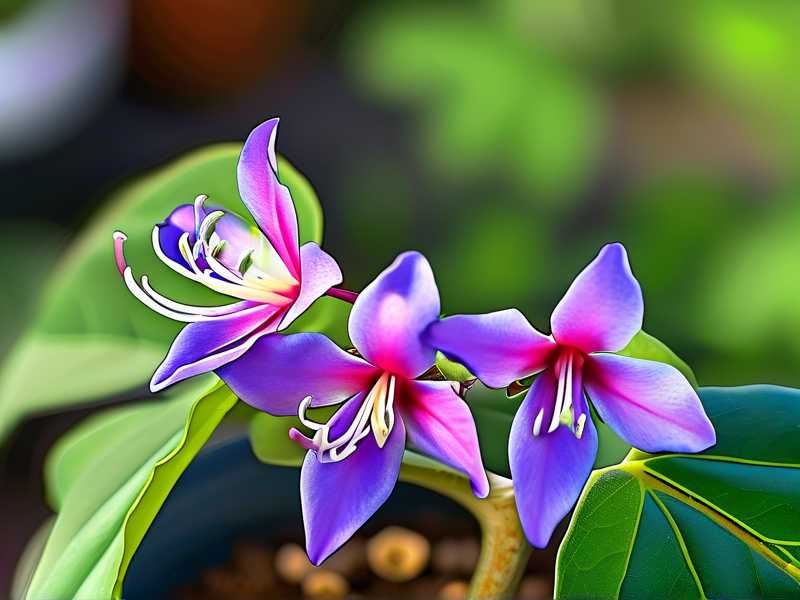
I still check mine every single morning. I look for those little nubs. Some days nothing changes. Then one day, a glowing bundle of white fuzz appears, and I forget about all the dead plants I owned before. So go prune that Hoya. It might do more than you expect.
FAQ
Q: When exactly should I prune my Hoya serpens for optimal flower growth?
A: I prune in early spring, around April. This gives the plant the entire growing season to respond with new vines. Avoid pruning in winter when the plant is resting.
Q: Can I root the Hoya serpens cuttings I prune off?
A: Yes, I absolutely do this. Place the cutting in a jar of water. Change the water every few days to prevent bacteria. Roots appear in about 3 to 4 weeks. Then move to soil for a free new plant.
Q: How long after pruning does Hoya serpens bloom again?
A: In my experience, expect around 6 to 8 weeks if the plant is mature. Sometimes it takes longer, up to 3 months. The new vine growth needs to harden before flowering energy kicks in.