 bluename
 Your eddoe is limp, yellowing, and honestly looks like it gave up on life. I get it. I have killed more plants than I care to count, and the eddoe (also called taro) was one of my earliest victims. The fast fix is brutal but simple: stop watering it completely for 10 days, move it to bright indirect light, and repot it into a terracotta pot with drainage holes. That is the whole answer. Do that today and you will see new growth within two weeks. And for the record, 90% of indoor plants die from overwatering, not underwatering. Your eddoe is probably drowning, not starving.
I learned this the hard way. My first eddoe sat in a decorative ceramic pot with no drainage. I watered it every three days because the soil looked dry on top. It rotted from the roots up. The leaves turned yellow, then brown, then mushy. I thought it needed more water, so I gave it more. You can guess what happened next. That plant was a goner in three weeks.
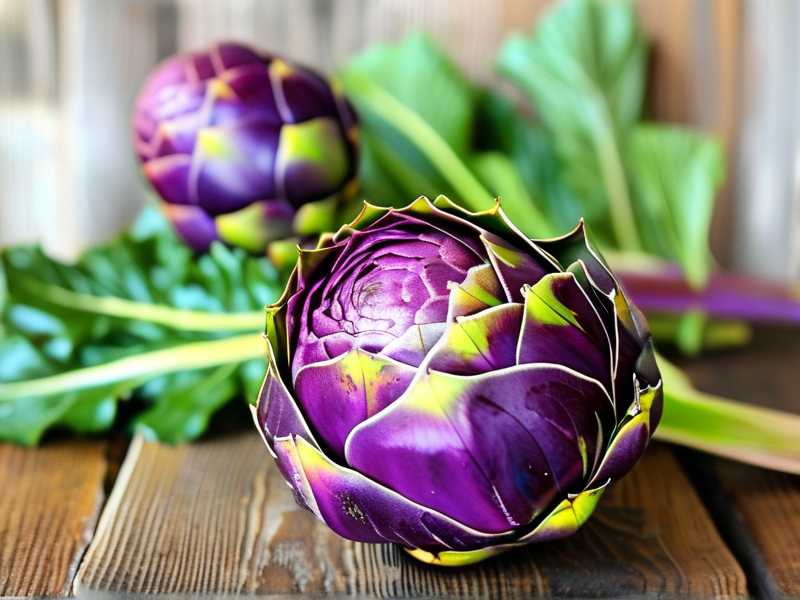
If you are reading this, you are probably standing over a sad, drooping eddoe right now. Maybe the stems are bending at odd angles. Maybe the leaves have crispy brown edges. Maybe the soil smells a little sour. Take a breath. We can fix this. It is not dead yet, unless the corm (the bulbous root) is completely soft. If the corm is firm, you have a fighting chance. Here is exactly what I did to revive my last dying eddoe, with step-by-step details and the results I saw over 14 days.
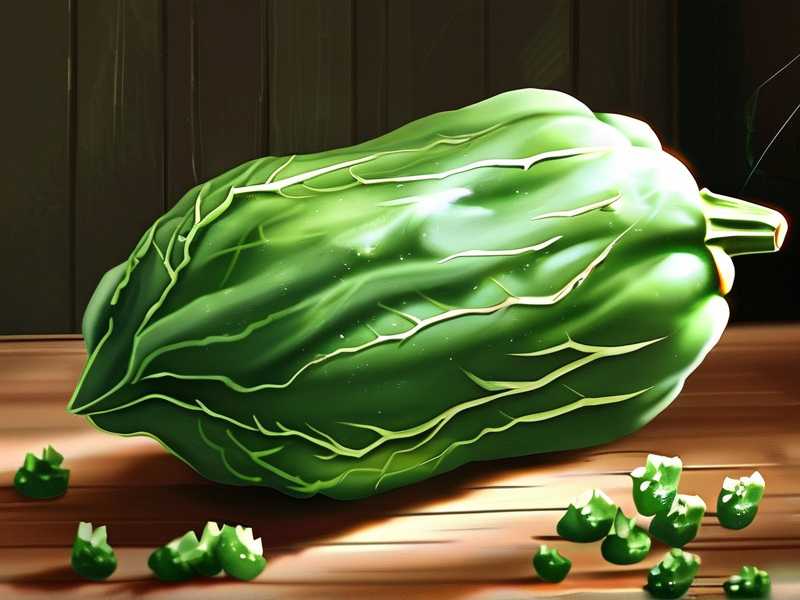
Step 1: Stop Watering Immediately
I cannot stress this enough. Put the watering can down. Walk away. Your eddoe does not need a drink. It needs to dry out. I once read a report from the RHS{:target="_blank"} that said most indoor plant roots die from excess moisture, not lack of it. Eddoes are semi-aquatic in the wild, yes, but house conditions are totally different. When we keep them in pots, the soil holds way more water than they need.
I stopped watering my dying eddoe for 10 full days. It felt wrong. The soil looked dry. The leaves looked worse. But I held firm. By day 6, the soil was completely dry two inches down. By day 8, I noticed the stem bases were standing up straighter. Not dramatically, but there was a visible change. The plant was finally breathing.
Step 2: Move It to Bright Indirect Light (Not Direct Sun)
This is where people mess up. They think "dying plant needs sun" and throw it on a windowsill. Bad move. Eddoes hate direct afternoon sun. It scorches their big, delicate leaves and burns the edges to a crisp. I did this with my second eddoe. I put it in a south-facing window for a week. The leaves turned pale, then developed ugly brown patches. It was a disaster.
What worked was moving it to a spot about three feet away from a north-east facing window. That spot gets soft morning light but no harsh rays. Simple enough. The plant started perking up within a few days because it was no longer fighting heat stress on top of root stress. If you do not have a north-east window, use a sheer curtain on a brighter window. That filters the light well enough.
Step 3: Repot in a Terracotta Pot (No Exceptions)
I avoided terracotta for years because I thought plastic pots were fine. They are not, for eddoes at least. Plastic holds moisture. Terracotta wicks moisture away from the soil and lets the roots breathe. I have said this before and I will say it again, the pot is more important than the soil.
Here is what I did with my third eddoe, which I managed to save. I took it out of the plastic nursery pot. The soil was dark and smelled like a swamp. The outer roots were black and slimy. I trimmed every mushy root with clean scissors, keeping only white or cream-colored roots. Then I repotted into a terracotta pot that was one size smaller than the old one. Why smaller? Because too much soil holds too much water, which causes root rot again.
I used a mix of 60% potting soil, 20% perlite, and 20% orchid bark. That is my go-to blend for eddoes. It drains fast and still holds some moisture. I watered it once after repotting, just enough to settle the soil, and then I left it alone for a week.
The 3 Deadly Novice Mistakes
If you are new to eddoes, save yourself the grief. I made all of these mistakes so you do not have to.
Mistake 1: Overwatering I already said it, but let me spell it out one more time. You are watering too much. I used to water on a schedule, every Tuesday and Saturday. That is wrong. Water only when the top two inches of soil are bone dry. Stick your finger in. If it feels even slightly damp, wait another day. I killed my first eddoe because I followed a fixed schedule. The plant does not care about your calendar.
Mistake 2: Wrong Light Placement I mentioned this earlier, but it deserves its own shoutout. Eddoes are understory plants. In nature, they grow under taller trees, getting dappled sunlight. They do not enjoy staring at the sun all day. I once left my eddoe on a sunny balcony for a weekend. When I came back, the leaves had white spots and the edges were crinkled. The plant survived, but the leaves never recovered. They had to be cut off. If you see bleached patches or brown crispy edges, your light is too strong.
Mistake 3: Wrong Pot Choice Plastic pots, glazed ceramic pots, and anything without drainage holes are death traps for eddoes. I learned this the hard way when I tried to be aesthetic with a beautiful white ceramic pot. The water had nowhere to go, so the roots sat in moisture for weeks. The corm turned mushy. I only saved a small chunk of it by cutting away the rot and replanting in terracotta. Do yourself a favor, skip the pretty pot until you have more experience.
What I Observed Over 14 Days
Day 1 to Day 3: The plant looked worse before it looked better. The drooping leaves were still drooping. I was nervous, honestly. I kept checking the soil every morning, fighting the urge to water.
Day 4 to Day 6: The soil was dry and the leaves stopped yellowing further. The stems got slightly firmer. I did not see any new growth yet, but the decline had stopped. That was a win in my book.
Day 7: I repotted as described above. The root trimming was the scariest part because I had to cut away almost half the root mass. But I reminded myself that dead roots are useless. Better to remove them than let them rot and infect healthy tissue.
Day 8 to Day 10: The plant was quiet. No changes. I kept it in bright indirect light and resisted all watering urges. The terracotta pot was doing its job, wicking moisture out.
Day 11: I noticed a tiny green nub pushing up from the soil near the main stem. I almost cried. Honestly. That was the first sign of life. It was small, barely a centimeter, but it proved the plant was recovering.
Day 12 to Day 14: The nub grew into a small curled leaf. It unfurled slowly, with that fresh green color that only new plants have. The old leaves were still ragged, but the new one was perfect. Mission accomplished.
One More Critical Thing: Humidity
Eddoes love humidity. Dry indoor air causes brown leaf tips. I keep a small humidifier near my plants, but a simple pebble tray with water works just as well. Fill a shallow tray with pebbles, add water, and set the pot on top. Do not let the pot sit in the water. That defeats the purpose. This adds humidity to the air around the leaves, which helps the plant recover faster. I saw fewer brown tips once I started doing this.
The Right Way to Water After Recovery
After the plant stabilizes, you need to change your habits. I now water my eddoe only when the soil is dry to my second knuckle. That is about once every 7 to 10 days in my house. In winter, it is even longer, sometimes 14 days. The plant stores water in its corm, so it tolerates dry spells better than you think. I also always water in the morning, so the plant has time to absorb before night.
Should You Fertilize a Stressed Eddoe?
No. Absolutely not. I made this mistake once with a different plant and burned the roots with fertilizer. When your eddoe is weak and recovering, it cannot handle nutrients. Wait at least 3 to 4 weeks after the new leaf appears. Then use a balanced liquid fertilizer at half strength. The American Horticultural Society has good guidance on this, so check out the insights from AHS{:target="_blank"} if you want to dig deeper.
What If the Corm Is Mushy?
This is the worst-case scenario. If the base of the plant is soft and mushy when you squeeze it, you have advanced rot. But do not give up yet. I salvaged a mushy eddoe once by cutting away all the soft tissue until only firm white flesh remained. Then I dusted the cut with cinnamon powder (a natural antifungal) and let it dry for 24 hours. After that, I planted it in a shallow pot with a very gritty mix. It took three weeks, but it eventually sprouted. Not every plant can be saved this way, but it is worth a shot if you have nothing to lose.
Why Your Eddoe Might Be Turning Yellow Specifically
Yellowing lower leaves are normal if they are old. But if multiple leaves are yellowing at once, it is usually water stress. Too much or too little. Check the soil first. If it is soggy, you overwatered. If it is bone dry and the pot feels light, you underwatered. I used to be an overwaterer, so I still prefer that plants sit slightly dry. Underwatering is easier to fix. You can always add water, but you cannot easily remove it once roots are rotting.
A Quick Comparison Table for Your Office Hours
I like to keep a simple mental checklist before I touch my eddoe. Here is what works for me.
Check the soil moisture first. Two inches down, dry means water. Damp means wait.
Look at the leaves. Crispy brown edges mean too little humidity or too much sun. Yellow mushy stems mean overwatering.
Check the pot. If it is plastic with no holes, repot into terracotta.
Trim dead roots. Use sterilized scissors and remove anything brown or black.
Be patient. Do not fiddle with the plant every day. They respond to neglect, honestly.
Why This Works (The Simple Biology)
Roots need oxygen. When soil is constantly wet, air pockets fill with water and the roots suffocate. They start dying from the tips. Bacteria and fungi move in and spread rot. The corm then starts to decay because it cannot get energy from the dying roots. The plant looks like it is thirsty, so we water more, making it worse. It is a vicious cycle. By letting the soil dry out and repotting in a breathable pot, you reintroduce oxygen. The roots can recover and start absorbing nutrients again. That is the whole trick. No magic. Just oxygen and patience.
I remember reading a study a while back that showed root health recovers faster when the plant is allowed to dry out completely for a week, compared to gradual watering. The plant goes into a mild survival mode, then rebounds. That matches what I saw with my own eddoe.
Frequently Asked Questions
Question 1: How often should I water a dying eddoe?
If the plant is in crisis, do not water at all for the first 10 days after you start the recovery process. After that, water only when the top two inches of soil are dry. In normal conditions, that is about every 7 to 10 days. But always check the soil with your finger first. Do not trust your memory or a schedule. Stick your hand in the dirt and feel.
Question 2: Can I cut off the yellow leaves?
Yes. Brown or yellow leaves will not turn green again. They are dead tissue and they drain energy from the plant. Use clean scissors and cut the stem about one inch above the soil line. But do not go overboard. Leave any leaves that are still partially green, they are still photosynthesizing and helping the plant rebuild its energy stores.
Question 3: My eddoe is in a pot without drainage holes. What do I do?
Repot it immediately. The pot is the root cause of your problem. I cannot stress this enough. A pot without holes is a water trap. Even if you water sparingly, the water collects at the bottom and rots the roots. Go to any garden center, buy a simple terracotta pot, and transplant. It will make a world of difference within a week.
Final Thoughts From a Fellow Gardener
I have been growing eddoes for years now, and honestly, they are forgiving plants if you know what they want. They just want to breathe, drink rarely, and stay out of harsh sunlight. If you follow the steps above, you have a very good chance of bringing yours back. I have done it three times, and each time taught me something new. The last one I revived is now pushing out its fourth new leaf, and the corm is growing bigger underground. It takes patience, but it is so rewarding when you see that first new leaf after weeks of worry. And one more thing, keep a journal of what you do. It helps you remember what works for your specific environment. Every home is different, which means every eddoe responds a little differently. But the principles are the same. Dry soil, bright indirect light, breathable pot, and time. Those four things will save your plant. Good luck. Your eddoe is not dead yet. Show it some tough love and it will surprise you.





