bluename
 If you've ever killed a Monstera obliqua, I already know why. It was the watering. 90% of indoor plants die from overwatering, and this specific plant is the absolute queen of root rot disasters. I learned this the hard way — I killed three of them before I figured out the exact watering routine that finally worked. So let me save you the heartbreak and money on expensive cuttings.
The short answer is this: water your Monstera obliqua only when the top 2-3 inches of substrate are completely dry, use a super chunky, airy mix, and always choose a shallow pot with drainage holes. That's the whole secret. Everything else is refinement.
My History of Killing Monstera Obliqua
I remember my first obliqua like it was yesterday. It was a tiny cutting with two leaves. I paid way too much for it. And I loved it to death. Literally. I watered it every three days because the surface soil looked dry. Within two weeks, the leaves started yellowing. Then the stems turned mushy. Then it was gone.
My second plant lasted longer. About six weeks. I switched to a smaller pot and watered less often. But I made a different mistake — I kept it in a decorative ceramic pot without drainage holes. Water pooled at the bottom silently. Roots sat in moisture for days. When I finally checked, the roots were black and slimy.
The third one taught me about light. I thought more light meant more growth. So I put it in direct afternoon sun. The leaves got crispy. The plant stressed out. And stressed plants drink differently — they struggle to absorb water properly, which messes up your entire watering schedule.
Only after the third failure did I stop and research properly. What I found changed everything. And now, on my fourth plant, I've got a thriving Monstera obliqua with five gorgeous fenestrated leaves.
The 3 Deadly Mistakes That Kill Monstera Obliqua
Let's get into the nitty-gritty. If you're new to this plant, or if you're struggling with one right now, chances are you're making at least one of these errors.
Mistake #1: Watering on a Fixed Schedule
The biggest mistake I see everywhere is people watering on autopilot. Every Monday. Or every three days. Or twice a week. It doesn't work like that with this plant.
Here's the thing — Monstera obliqua has extremely delicate, thin roots. They're not like the thick, chunky roots of a Monstera deliciosa. The obliqua roots can't tolerate sitting in damp substrate for extended periods. They rot faster than any plant I've ever grown.
I used to water my first obliqua every Sunday. It didn't matter if the soil was still wet from the last watering. I just did it. And I paid the price.
The fix: Forget schedules. Feel the soil. Stick your finger about 2 inches deep. If it feels even slightly damp, wait. If it feels dry and crumbly, go ahead and water. For me, this works out to watering about once every 7-10 days in my growing environment. But your home might be different.
Mistake #2: Using the Wrong Light Setup
You might not realize this, but light affects watering dramatically. If your obliqua is in low light, it drinks way less. The substrate stays wet longer. Root rot becomes almost inevitable.
I made this mistake with my third plant. I read that obliqua doesn't like direct sun. So I put it in a corner that got almost no light at all. The plant stopped growing. The soil stayed wet for two weeks straight. The roots just sat there, drowning.
The fix: Give your obliqua bright, indirect light. Morning sun is fine. Afternoon sun is too harsh unless it's filtered through a sheer curtain. Think of it as a happy medium — not dark, not blazing. Just bright, comfortable light.
With proper light, your plant will actually use the water you give it. The substrate dries out at a reasonable pace. Your roots stay happy and oxygenated.
Mistake #3: Growing It in the Wrong Pot
This one kills more obliquas than most people realize. The pot size, material, and drainage matter more than almost anything else.
Here's what I learned after losing three plants:
- Plastic pots hold moisture longer — great for other plants, terrible for obliqua in most homes
- Terracotta pots are your best friend — the porous clay wicks away extra moisture and lets roots breathe
- Deep pots are dangerous — they hold water in the bottom layers where you can't see it
- Pots without drainage holes are lethal — no exceptions, never do this
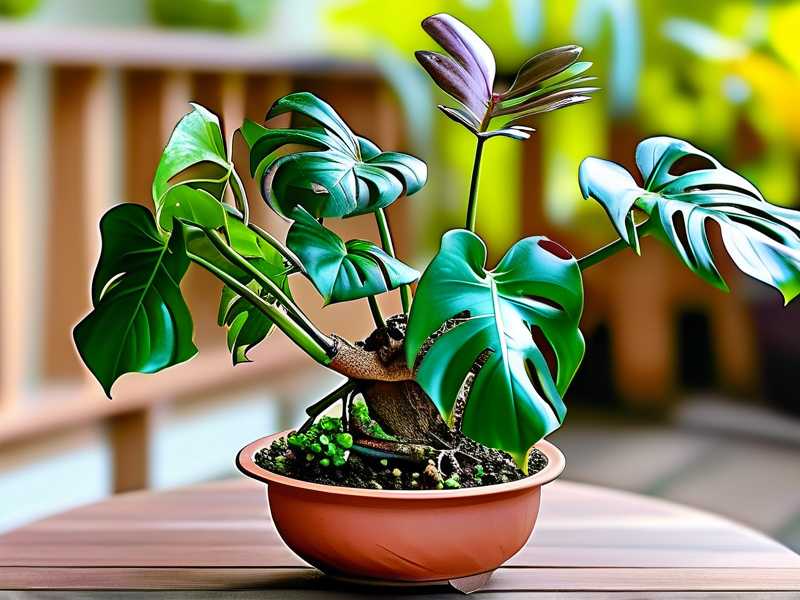
I keep my obliqua in a shallow terracotta pot. It's maybe 2 inches deeper than the root ball. The pot sits on a small saucer, and I make sure the saucer stays dry after watering. This simple setup has changed everything for me.
My Exact Watering Routine That Works
Now let me share what I actually do every watering session. This routine has kept my obliqua happy for over a year now. I developed it through trial and error, plus a lot of reading about how these plants grow in nature.
Step 1: Check Moisture Deep, Not Just Surface
I don't trust the top visual appearance. The surface can look bone dry while the middle is still soaking wet. Instead, I use a bamboo skewer. I stick it deep into the substrate and leave it there for 30 seconds. When I pull it out, I check:
- If it comes out clean and dry — watering time
- If it shows faint moisture — wait another 2-3 days
- If it looks wet or dirty — definitely not time to water
This simple check has saved me more times than I can count. I don't rely on moisture meters anymore. They gave me inconsistent readings. The bamboo skewer is cheap, reliable, and dead simple.
Step 2: Water Thoroughly, Not Frequently
When I do water, I water deeply. I take the pot to my sink and run lukewarm water through the substrate until it drains out the bottom. This flushes out salts and ensures all the roots get hydration.
Then I let it drain completely. This is critical. I leave it sitting in the sink for 10-15 minutes. Then I pour out any water that accumulated in the saucer. Sitting in stagnant water is death for obliqua roots.
Step 3: Wait for the Plant to Show Signs
Strange as it sounds, the plant tells me when it's happy. After watering, I watch for the following signs over the next 24 hours:
- Leaves firm up and stand taller
- Any slight droopiness disappears
- New growth points feel turgid
If the leaves stay soft and limp after watering, I've done something wrong. Maybe the roots are already damaged, or the substrate is too compact.
The 14-Day Observation That Convinced Me
I decided to document my exact routine over two weeks. I wanted to see what actually happens with proper watering. This experiment changed how I approach every plant in my collection now.
Day 1: I watered my obliqua thoroughly in the sink. The substrate was completely dry before this watering — about 9 days since the last one. The pot felt light in my hand, which is another good indicator I use.
Day 3: The soil surface looked dry, but the skewer test showed moisture at the bottom. I didn't touch the watering can. The leaves were firm and healthy.
Day 5: The top 2 inches felt dry. But the skewer still came out with slight moisture near the bottom. I left it alone. Patience is so hard for me, but I've learned to trust the process.
Day 7: The skewer came out dry. The pot felt noticeably lighter. The leaves still looked perfect. I watered again. Total 7 days between waterings.
Day 9: I noticed a new aerial root forming. This is a great sign — it means the plant is comfortable enough to invest energy in growth.
Day 12: The substrate dried out again. I checked the leaves carefully. They were all firm, no yellowing at all. The existing aerial root had gotten longer.
Day 14: Week two watering day. Same routine — deep soak, thorough drain, dry saucer. The plant looked even better than when I started the experiment.
What this taught me was simple. My plant naturally settles into a 7-day watering cycle in my current conditions. But that's not a fixed rule — it's just how it works in my home, with my light, my temperature, my substrate, and my pot.
The Perfect Substrate Mix for Obliqua
Watering and substrate go hand in hand. You can't have good watering habits without good drainage. And good drainage comes from the growing medium.
After multiple experiments, I've settled on a mix that works beautifully. Here's what I use:
- 40% orchid bark (medium chunks)
- 30% perlite
- 20% coco coir
- 10% horticultural charcoal
This mix drains incredibly fast. Water runs through it in seconds rather than pooling on the top. But it still holds just enough moisture for the roots to grab what they need.
The charcoal is my addition I'm particularly proud of. It helps keep the substrate fresh and prevents any sour smells that come from anaerobic conditions. It also seems to absorb any impurities in the water.
My second obliqua died because I used regular potting soil. That stuff stays wet for weeks. When I finally switched to this chunky mix, my next plant thrived from day one.
How Humidity Affects Your Watering Schedule
Monstera obliqua comes from tropical rainforests. It loves high humidity. But here's the thing that surprised me — high humidity doesn't mean you should water more often. It actually means you can water less often in many cases.
The humidity in my growing area sits around 60-65%. I use a small humidifier for my tropical plants. Since I added the humidifier, the leaves look better and the aerial roots grow faster. But the soil dries out slightly slower because the air already has moisture in it.
Conversely, if your home is dry (like during winter with heating on), your substrate will dry out much faster. You might need to water every 4-5 days instead of every 7-10 days.
Just remember — roots need air almost as much as they need water. High humidity feeds the leaves. Proper substrate draining feeds the roots. Both matter, but they're different things.
Signs You're Overwatering (and What to Do Right Now)
Maybe you're reading this because your obliqua looks sick. Let me give you the exact symptoms of overwatering so you can act fast.
Yellowing leaves, especially at the bottom — This is usually the first sign. The oldest leaves turn yellow and feel soft or mushy rather than crispy.
Translucent patches on leaves — This looks like water-soaked spots. The leaf tissue breaks down, and the area becomes see-through.
Stem turning dark or mushy — This is serious. If the stem is soft near the soil line, the rot has spread upward. Act quickly or you'll lose the whole plant.
Soil that stays wet for 10+ days — If your substrate doesn't dry out within a week, your drainage is wrong or you're watering too much.
If your plant shows these signs right now, here's what I'd do:
- Stop watering immediately. Let the substrate dry out completely.
- Take the plant out of its pot and inspect the roots.
- Cut away any black, mushy, or stringy roots with sterilized scissors.
- Repot in fresh, chunky substrate.
- Don't water for at least 5-7 days after repotting.
- Consider increasing light slightly, but avoid direct sun while the plant is stressed.
I saved my fourth plant exactly this way. It was stressed from the journey to my home, but I caught a mild case of root rot early. The repotting saved it. Acting fast matters so much.
Common Questions About Watering Monstera Obliqua
Should I mist my Monstera obliqua?
I honestly think misting is mostly a waste of time for obliqua. It might make you feel like you're helping, but the benefit is negligible. The water droplets evaporate within minutes. A humidifier is way more effective. If you absolutely must mist, do it early in the morning so the leaves dry before night. When I stopped misting and focused on proper watering instead, my plant got healthier.
How do I know if the pot is too big?
The simplest way to judge pot size is to look at the root ball. When you repot, the new pot should be only 1-2 inches wider than the previous one. An oversized pot means more soil than roots. That extra soil stays wet for ages, and rot becomes nearly inevitable. I made this mistake on my second obliqua. I put a tiny cutting in a 6-inch pot and wondered why the soil never dried. Terrible idea.
What if my obliqua is in a terrarium?
Monstera obliqua can do well in a terrarium, but watering needs are completely different. Terrariums hold humidity and moisture much longer. You'll water far less often — maybe once every 2-3 weeks depending on your setup. The key is to watch for condensation on the glass. If there's heavy condensation, you don't need to water yet. I grow one cutting in a large closed terrarium, and I've gone up to 4 weeks without watering it.
Why You Should Trust Your Plant More Than Any Schedule
Here's what I've learned after years of growing these beautiful but fussy plants. Your Monstera obliqua is an individual. It lives in a unique environment. The same pot, soil, and watering schedule won't work for everyone.
The most important thing you can do is learn to read your plant's signals. The leaves, the stems, and the substrate all give you information. Pay attention to them. Adjust gradually rather than making dramatic changes.
The RHS recommends checking moisture levels regularly rather than following a fixed watering calendar. And the AHS emphasizes understanding each plant's specific needs in your particular growing conditions. Both organizations align with what I've experienced myself — patience and observation beat rigid rules every single time.
I killed three Monstera obliquas before I got it right. The fourth one is now thriving and I'm actually considering getting a second one. The difference came down to understanding the fundamentals — airy substrate, shallow terracotta pot, bright indirect light, and no fixed watering schedule.
Give your obliqua good drainage and restraint when it comes to water. Let the roots breathe. Trust the skewer test over your calendar. And if you're like me, resist the urge to fuss too much. These plants respond beautifully to being left alone with consistent care.
Your obliqua wants to live. It just needs you to stop drowning it with love.