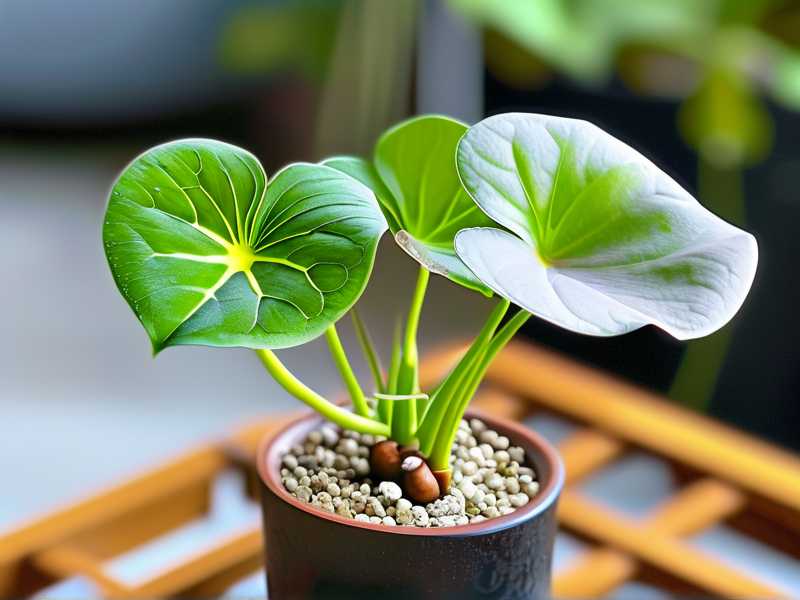
bluename
 How to Prune Hoya Multiflora for More Flowers (Step-by-Step)
If your Hoya multiflora is all leaves and no blooms, the problem is usually pruning—or the lack of it. I prune mine right after the last flower drops, cutting back leggy stems to two or three leaf nodes. Within two weeks, I saw new spur shoots forming. Those are where the flowers come from. Miss this window, and you wait another year.
I have killed more than one hoya by being too cautious with the snips. The first one I owned grew into a tangled mess for three seasons and never flowered once. The second one I over-pruned in winter and lost every bud. It took killing two plants before I understood what this species actually wants. Now I get repeat blooms from spring through fall, and it is not because I baby it. It is because I prune at the right time, in the right place, and then leave it alone.
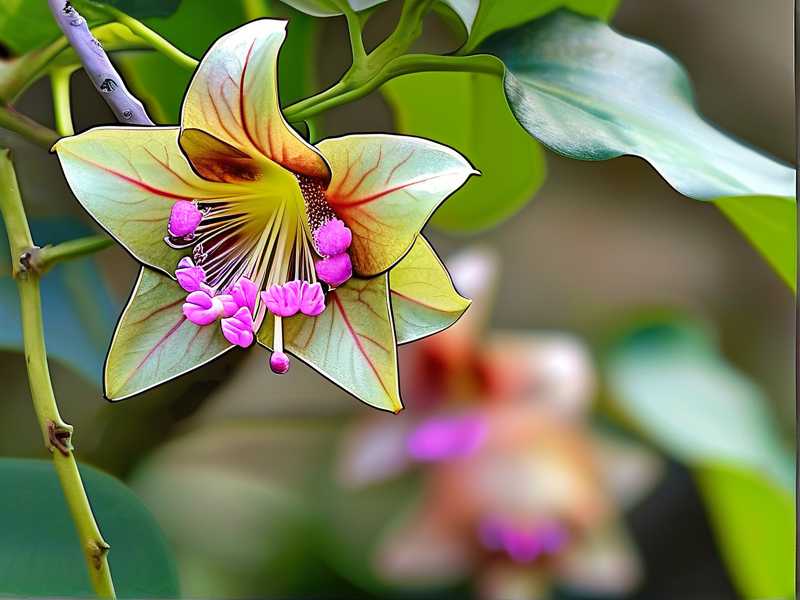
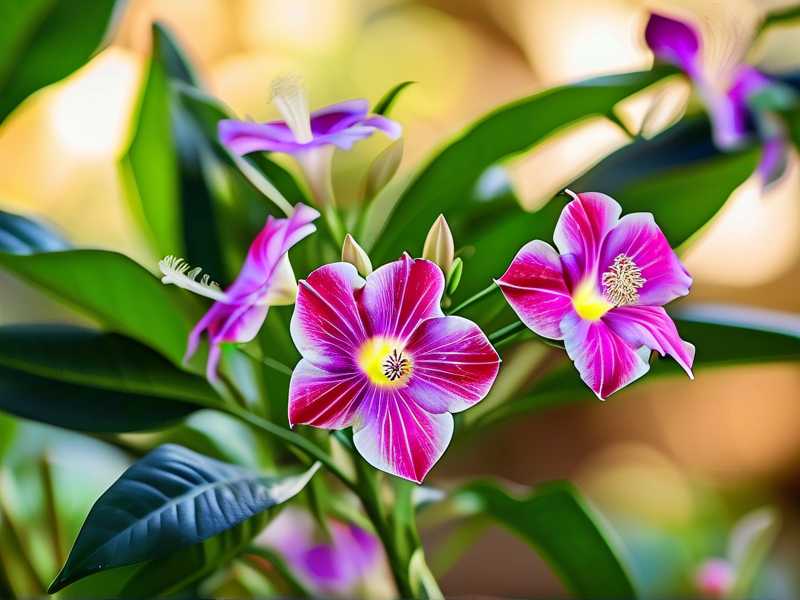
Hoya multiflora is that unusual hoya with clusters of star-shaped flowers that look like tiny shooting stars. The blooms are creamy white with a yellow center, and they appear on short spurs along the stems. The Royal Horticultural Society notes that hoyas generally flower best when slightly root-bound and pruned after flowering rather than before. That single sentence changed how I treat mine. The American Horticultural Society adds that most hoya species bloom on new growth, which means your pruning timing directly controls your flower count.
The plant itself is not difficult. It is not a finicky orchid or a drama queen calathea. But it does have opinions about water, light, and where you cut. Get those three right and it will reward you with clusters of flowers for months.
Why Pruning Actually Increases Flowers
Here is the thing most people miss. Hoya multiflora produces flowers on short spurs that grow from the stems. Those spurs only form on relatively fresh growth. If you never prune, the plant keeps extending the same stems, and the older wood stops producing new spurs.
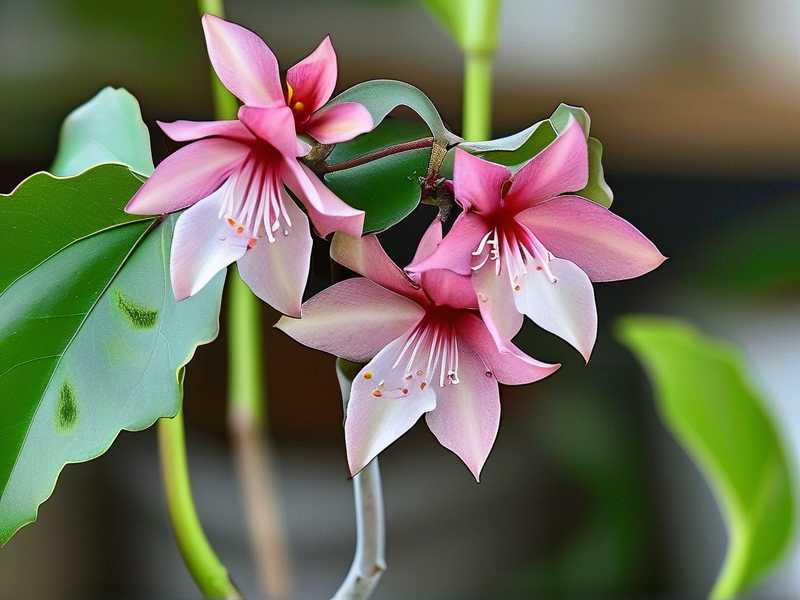
Pruning does two jobs. It triggers branching, which creates more sites for spurs. And it removes the tired, woody growth that is not flowering anymore. Simple as that.
But timing matters more than technique. Prune too late in the season and you cut off the wood that was about to bloom. Prune too early and the new growth may not have time to mature before winter.
I learned this the hard way. My first hoya multiflora was a gift from a friend who had it blooming on her porch. I brought it home in October, panicked about the tangled vines, and gave it a hard cutback. It sulked for eight months. No flowers the following spring. No flowers that summer either.
Now I prune in early spring, just as new growth starts to push. That gives the plant a full season to develop spurs and bloom.
When to Prune: The Timing That Changed Everything
The best time to prune hoya multiflora is right after the main flowering flush ends. For most indoor growers in North America and Europe, that means late spring to early summer. If your plant flowers in waves, prune between waves.
In warmer climates like Australia and the southern US, you might get two or three flushes. Prune after each one, but keep it light. A hard cutback in the middle of summer can stress the plant.
I tried pruning in fall once. The plant survived, but it skipped an entire flowering cycle. The new growth that formed in October was too soft to survive winter indoors, and it never developed spurs. That was a wasted year.
So the short version: prune after flowers fade, not before. If you are unsure, wait. A late prune is better than an early one.
Step-by-Step: How I Prune for More Flowers
Here is exactly what I do, step by step. I have refined this over five years and three plants.
Step 1: Wait for the flowers to finish.
Do not cut anything while buds are forming or flowers are open. You will lose the show. Let the cluster fade and dry naturally.
Step 2: Sterilize your snips.
I wipe my pruning shears with rubbing alcohol before every cut. Hoya sap is milky and can carry pathogens from one plant to another. It takes ten seconds and saves you from a nasty surprise.
Step 3: Look for the spurs.
Spurs are short, knobby growths where flowers emerged. They look like tiny nubs. Do not cut these off. They will rebloom. I made this mistake on my second plant and lost six months of flowers.
Step 4: Cut above a leaf node.
Find a stem that is getting long and leggy. Count back from the tip to the second or third leaf node. Make a clean cut just above that node. This is where new branches will form.
Step 5: Remove dead or damaged growth.
Any stem that is brown, shriveled, or mushy goes. Cut it back to healthy green tissue. If the whole stem is dead, cut it at the base.
Step 6: Do not remove more than one-third.
This is the rule I break at my own peril. Removing more than a third of the plant at once shocks it. It will survive, but it will not flower for months.
Step 7: Leave the plant alone.
After pruning, I do not fertilize for two weeks. I do not repot. I do not move it. I let it recover.
What I Saw After Two Weeks
I pruned my main hoya multiflora on a Tuesday in late May. I cut back four long stems to two nodes each. I removed two small dead stems. Total removal was maybe 20 percent of the plant.
By day three, the cut tips had calloused over. No sap. No wilting.
By day seven, I could see tiny green bumps forming at the leaf nodes. These were new growth points.
By day fourteen, those bumps had turned into short shoots. They were maybe half an inch long. That is when I knew the pruning had worked.
The spurs came later, in July. By August, I had three flower clusters. By September, five. That is more than double what I got the year before when I did not prune at all.
The Three Mistakes That Kill Hoya Multiflora
I have made all of these. I am listing them so you do not have to.
Mistake 1: Overwatering
This is the big one. I cannot say it enough: 90% of indoor plants die from overwatering. Hoya multiflora is epiphytic. In the wild, it grows on tree branches where water drains away instantly. In a pot, it needs the same fast drainage.
My first hoya died because I watered it every Sunday like clockwork. The soil stayed damp. The roots rotted. By the time I noticed the yellow leaves, it was too late.
Now I water only when the top two inches of soil are dry. In summer, that is about every ten days. In winter, every three weeks or less.
Mistake 2: Wrong Light
Hoya multiflora wants bright, indirect light. Not full sun. Not deep shade.
I put my second plant in a south-facing window with no sheer curtain. The leaves turned yellow and crispy. The flowers stopped forming. I moved it behind a sheer curtain and it recovered, but it took two months.
If your plant is not flowering, light is the second thing to check after watering. A grow light works too, but keep it twelve to eighteen inches above the plant.
Mistake 3: Wrong Pot
Hoyas like to be root-bound. A pot that is too big holds too much moisture and encourages root rot.
I used to repot every spring into a bigger container. That was wrong. Now I only repot when the roots are circling the drainage hole, and even then I go up just one size. A six-inch pot is usually plenty for a mature plant.
Terracotta is my favorite because it breathes. Plastic works too, but you have to be more careful with watering.
The Soil and Pot Setup I Use Now
I mix my own soil. It is not fancy, but it works.
Three parts orchid bark. One part perlite. One part potting mix. That is it.
The bark keeps the mix airy. The perlite drains. The potting mix holds just enough moisture. I have not lost a hoya to root rot since I started using this blend.
For pots, I use terracotta with a drainage hole. Always a drainage hole. I cannot stress that enough.
Fertilizing After Pruning
I wait two weeks after pruning before feeding. Then I use a balanced liquid fertilizer at half strength. I feed every two weeks during the growing season. In winter, I stop completely.
The RHS recommends a high-potassium feed during the flowering period to support bloom production. I switch to a tomato fertilizer when I see buds forming. That extra potassium seems to help the flowers last longer.
But do not feed a stressed plant. If the leaves are yellow or the stems are soft, fix the watering first. Fertilizer will not save a plant with rotten roots.
A Quick Note on Seasonal Care
Spring is for pruning and repotting. Summer is for watering and watching for pests. Fall is for tapering off fertilizer. Winter is for leaving it alone.
I know that sounds too simple. But hoya multiflora is not a plant that needs constant fussing. It needs the right conditions and then it needs you to step back.
Frequently Asked Questions
Can I prune hoya multiflora in winter?
I would not. The plant is resting. Pruning in winter stimulates new growth that will not have enough light to develop properly. Wait until early spring.
What do I do with the cuttings?
Stick them in water or moist perlite. They root easily. I have propagated dozens this way. Just make sure each cutting has at least two nodes.
Why is my hoya multiflora not flowering after pruning?
Check your light first. Then check your watering. If both are right, give it time. New spurs can take two to three months to develop. Do not fertilize heavily to force it. That backfires.
One Last Thing
I wish someone had told me years ago that pruning is not about controlling the plant. It is about telling it where to put its energy. Cut the right stems at the right time and the plant does the rest.
My hoya multiflora is not the biggest or the most impressive plant in my collection. But it flowers more reliably than anything else I own. And it all started with a pair of clean snips and the patience to wait two weeks.