bluename
 How to Water Xanthosomas Without Root Rot (Pro Tips)
I killed my first Xanthosoma in eleven days. That's not an exaggeration, and it wasn't a mystery either. I watered it like I water my pothos, and the corm turned to mush. Here's the thing I learned the hard way: 90% of indoor plants die from overwatering, and Xanthosoma is right at the top of the hit list. If you want to know how to water Xanthosomas without root rot, the short answer is this — let the top inch or two of soil dry out, water deeply but infrequently, and never let the pot sit in standing water. That's it. That's the whole game. Everything else is just details, and I'll walk you through every one of them.
I've now kept Xanthosoma violaceum and Xanthosoma sagittifolium alive for over three years in my living room, and I've experimented enough to know what actually works versus what sounds good on gardening blogs.
Why Xanthosomas Are Trickier Than They Look
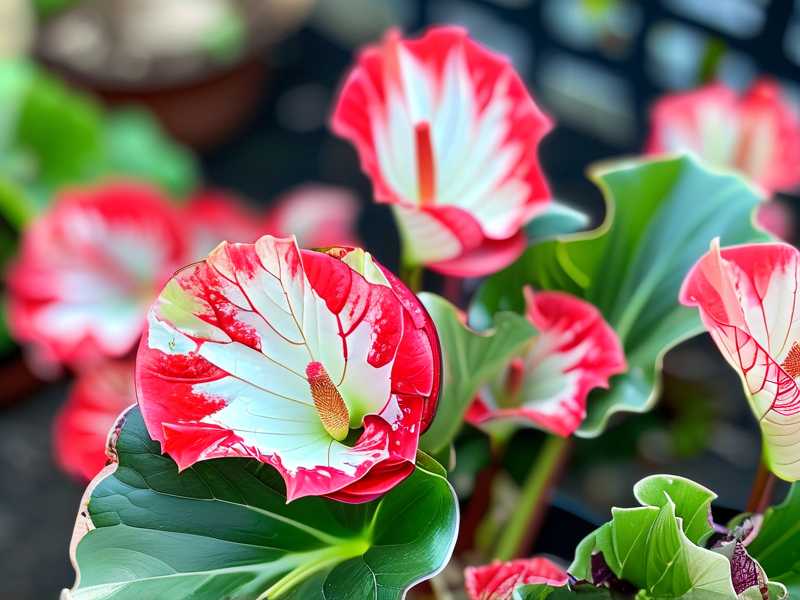
Xanthosoma is a tropical aroid. You'll see it sold as "elephant ear" alongside Alocasia and Colocasia, which confuses a lot of people. The big arrow-shaped leaves look tough. The plant looks like it can handle anything.
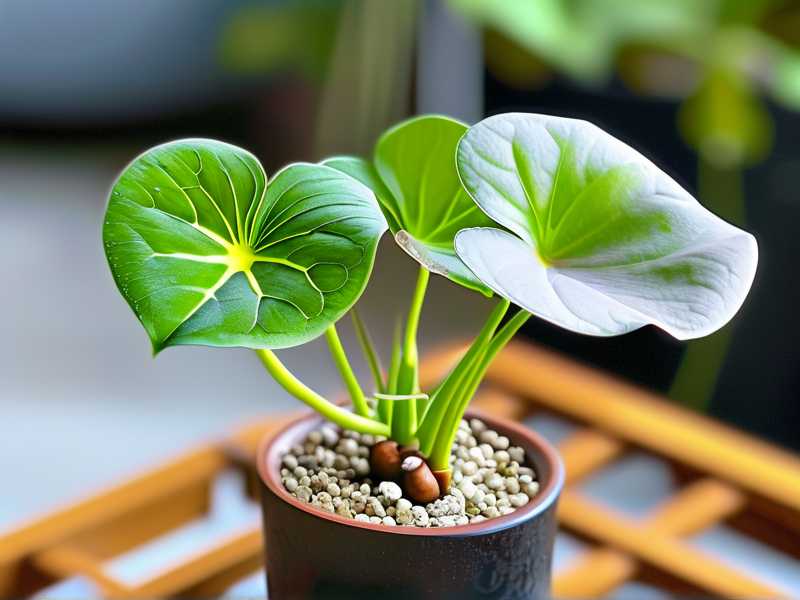
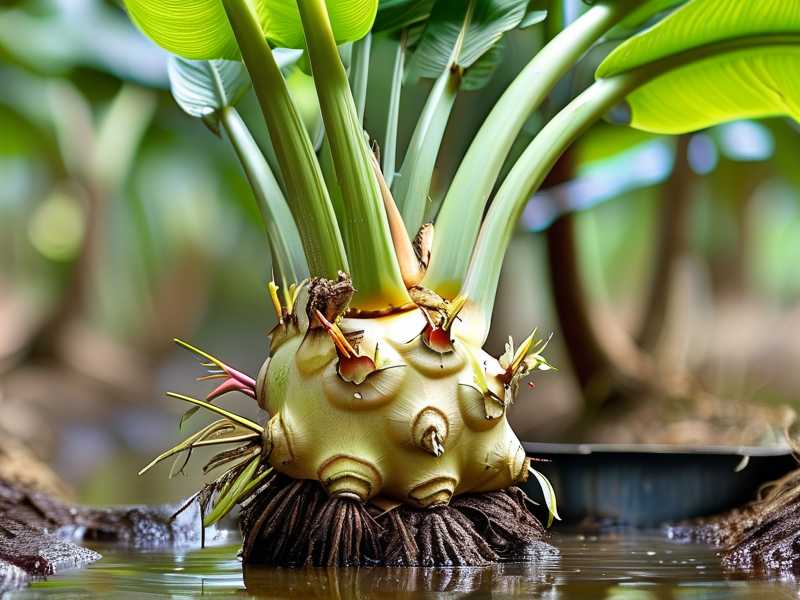
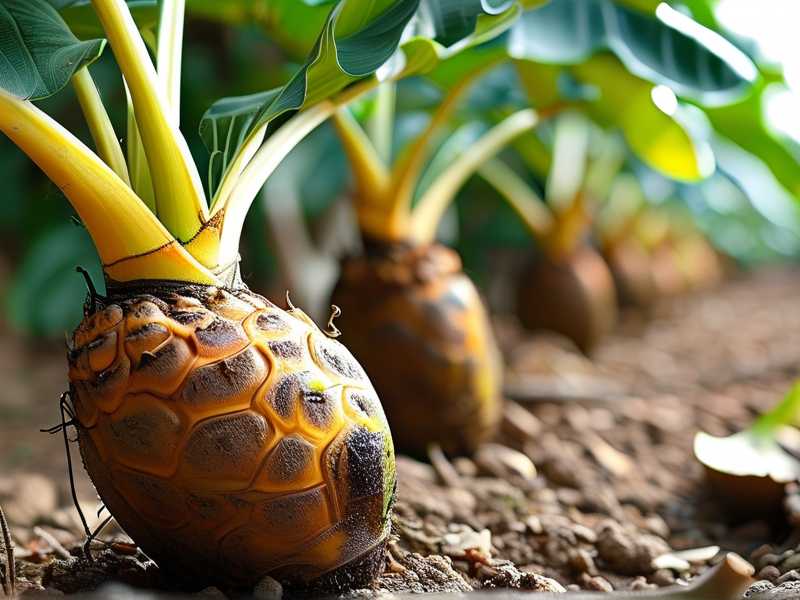
It can't. Under the soil, it grows from a corm — a fat, starchy bulb — and that corm is basically a sponge for excess moisture. Too wet, and it rots from the inside out before you even notice anything wrong above the surface.
The Royal Horticultural Society notes that aroid corms are especially susceptible to rot in waterlogged conditions. I've seen this firsthand more times than I'd like to admit.
Light Requirements: Getting This Wrong Makes Watering Impossible
Here's something most people don't connect: light and watering are the same conversation.
A Xanthosoma in bright, indirect light drinks faster. It photosynthesizes, pushes new leaves, and moves water through its system. The same plant in a dark corner sits there doing nothing. The soil stays wet for two weeks. Then the corm rots.
I keep mine about three feet from an east-facing window. Morning sun hits the leaves for maybe two hours, then it's bright and indirect for the rest of the day. That's the sweet spot for me.
What happens in low light? The plant stretches. Petioles get long and floppy. New leaves come out smaller. And the soil never dries. That's the death spiral.
What happens in harsh direct sun? The leaves scorch. You'll see crispy brown patches along the edges, especially in afternoon sun. I made this mistake one July — moved a healthy plant to a south window and came back to find half the foliage looking like toast.
According to the American Horticultural Society, tropical aroids generally perform best with filtered or dappled light that mimics their native understory habitat.
If your light is weak, you have two choices: get a grow light, or water much less. There's no third option.
My Complete Watering Guide (After Killing Several Plants)
I water when the top inch of soil is dry. Not damp. Dry.
I stick my finger in up to the first knuckle. If I feel any cool moisture, I wait. If it's dry, I water thoroughly until it runs out the drainage holes.
Then I stop. I don't water again until that top inch dries out again.
In summer, that's roughly every 7–10 days in my house. In winter, it can stretch to 14–18 days. Sometimes longer. I've gone three weeks in January without watering, and the plant was fine.
The number one rule: never water on a schedule. I tried that once. A calendar reminder every Sunday. By week three, I had a soggy corm and a sad pile of yellow leaves.
How much water? I use room-temperature water and pour until it drains. For a 6-inch pot, that's usually about a cup and a half. For a 10-inch pot, maybe three cups. But honestly, the amount matters less than the frequency.
Signs You're Overwatering (I've Seen All of These)
- Lower leaves turn yellow, then mushy at the base
- The soil smells sour or swampy
- The corm feels soft when you poke it
- New growth comes out pale and weak
- Fungus gnats appear — they love wet soil
Signs You're Underwatering
- Leaf edges go crispy and brown
- The whole plant droops, even the stems
- Soil pulls away from the sides of the pot
- New leaves emerge but fail to unfurl
Underwatering is easier to fix. Give it a drink, wait a few hours, and it bounces back. Overwatering? Once that corm rots, there's usually no coming back.
The 2-Week Observation That Changed How I Water
I ran a little experiment last spring. Two identical Xanthosoma plants, same size, same soil mix, same room.
Plant A: watered when the top inch was dry. Plant B: watered every five days, regardless of soil moisture.
By day 7, Plant B's lower leaves were yellowing. By day 10, the soil smelled like a bog. By day 14, I pulled it out of the pot and the corm was brown and squishy. Plant A? Pushing a new leaf.
That was the end of my scheduled-watering phase.
Soil Mix and Pot Choice: The Root Rot Prevention Nobody Talks About
You can water perfectly and still lose a Xanthosoma if your soil is wrong.
I use a chunky mix: roughly 40% potting soil, 30% perlite, 20% orchid bark, 10% coco coir. It drains fast. Water runs through in seconds. That's exactly what you want.
Never use straight garden soil or dense potting mix from a big-box store without amending it. Those hold water like a sponge.
Pot material matters too. Terracotta breathes and wicks moisture away from the soil. Plastic and ceramic retain it. I use terracotta for smaller Xanthosomas and plastic for the big ones, but I adjust my watering accordingly.
Always, always use a pot with drainage holes. I don't care how pretty the cachepot is. If there's no hole, your plant is living in a swamp.
Repotting: When and How
I repot every 18–24 months, usually in early spring. If roots are circling the drainage hole or the soil dries out within two days of watering, it's time.
Go up one pot size. Not two. Overpotting is a root rot express ticket — too much soil around a small root ball stays wet too long.
Gently shake off the old mix, check the corm for soft spots, trim any mushy roots with clean scissors, and repot into fresh chunky mix. Don't water for 3–4 days after repotting. Let any small wounds callous over.
Fertilizing Without Making Things Worse
I feed with a balanced liquid fertilizer diluted to half strength, once a month during spring and summer. That's it.
Never fertilize a dry plant. Water first, then feed. Never fertilize in winter. The plant isn't growing, and the salts just build up in the soil.
I've burned leaves twice by fertilizing too strong. Trust me, less is more with Xanthosomas.
Seasonal Care: What Changes and What Doesn't
Spring: This is when I repot, resume fertilizing, and watch for new growth. I also trim any dead or damaged leaves close to the base. If the plant looks leggy from winter, I might cut it back harder to encourage bushier growth.
I bump watering back up as light increases and growth picks up. But I still check the soil first. Always.
Summer: Growth is fast. Watering frequency increases. I check every 5–7 days. I also watch for spider mites, which love hot, dry air. I mist the leaves occasionally or run a small humidifier nearby.
If your home gets above 85°F, move the plant away from windows and increase humidity. Xanthosomas slow down in extreme heat.
Fall: I taper off fertilizer. By October, I stop feeding entirely. Watering starts to stretch out again as light fades. I clean up any yellowing leaves and check for pests before bringing plants inside if they spent summer outdoors.
Winter: This is the danger zone. Low light, cool temps, and wet soil equal rot.
I water maybe every two to three weeks. Sometimes less. I keep the plant in the brightest spot I have. I don't fertilize at all. I keep it away from cold drafts and heating vents.
If your home drops below 60°F at night, water even less.
Pests and Problems: A Quick Diagnostic
Yellow leaves: Almost always overwatering. Check the soil and the corm.
Crispy brown edges: Low humidity or underwatering.
Mushy stem base: Root rot. Unpot immediately, cut away rot, repot in fresh dry mix.
Fungus gnats: Wet soil. Let it dry out and use sticky traps.
Spider mites: Fine webbing on leaf undersides. Increase humidity, wipe leaves, treat with neem oil.
Three Mistakes I See Beginners Make Every Time
-
Watering on a schedule. Plants don't own calendars. Check the soil.
-
Putting it in low light and wondering why it rots. Light drives water uptake. Weak light means slow drying.
-
Using a pot with no drainage. I don't care what the tag says. Drill a hole or use a nursery pot inside the decorative one.
FAQ
How often should I water a Xanthosoma indoors?
Every 7–10 days in summer and every 2–3 weeks in winter is a rough starting point. But always check the soil first. If the top inch is still damp, wait.
Can a Xanthosoma recover from root rot?
Sometimes. If the corm is still firm and only the roots are affected, yes. Cut away the rotten roots, repot in fresh dry mix, and don't water for at least a week. If the corm itself is mushy, it's usually too late.
Should I mist my Xanthosoma?
Misting raises humidity slightly but doesn't replace proper watering habits. It won't cause root rot, but it also won't fix a watering problem. I mist occasionally in summer for spider mite prevention, not as a watering strategy.
The bottom line? Xanthosomas aren't difficult. They just don't forgive guesswork. Water when the soil tells you to, not when the calendar does. Give them decent light, airy soil, and a pot that drains. Do that, and you'll avoid the root rot that takes out most of these plants. I learned it the hard way so you don't have to.