bluename
 If you are wondering how to water lichens without root rot, let me save you some trouble. I have killed more plants than I care to admit before I figured this out. The short answer? Stop treating lichens like normal plants. They are not ferns. They are not succulents. They are weird. And that is exactly why standard watering techniques destroy them.
I learned this the hard way after destroying three different moss balls and two lichen-covered logs. The Royal Horticultural Society (RHS) points out that lichens absorb moisture from the air, not from soil. The American Horticultural Society (AHS) agrees. So if you pour water into the substrate like you do for a pothos, you are basically drowning your lichen.
Why Overwatering Kills Lichens
Most people think more water equals happier plants. That is true for tropical species. But lichens? They thrive on neglect. Here is the truth: 90% of indoor plants die from overwatering. For lichens, that number might be even higher.

I used to spray my lichen daily. I thought I was being kind. Instead, I was suffocating it. Lichens do not have roots like regular plants. They have a structure called a thallus. It absorbs water directly from the humidity in the air. When you soak the base or the bark they grow on, the trapped moisture rots the underside.
The RHS recommends mimicking natural conditions. That means occasional misting, not drenching. And the AHS adds that airflow is more important than water volume.
My Mistakes That Led to Root Rot
I killed my first lichen collection in two weeks. Honestly, it was painful to watch. Here is what I did wrong:
First, I watered it like a fern. I poured water into the pot. The bark stayed wet for days. Yellow spots appeared. Then the lichen turned black. That is rot.
Second, I kept it in a terrarium with no airflow. Humidity stayed at 90%. The lichen looked great for three days. Then it collapsed.
Third, I used a heavy ceramic pot with no drainage. The water pooled at the bottom. The lichen sat in that water for a week. It never recovered.
I learned this after reading AHS guidelines about air circulation. They emphasize that stagnant moisture is the enemy.
Newbie Mistake #1: Overwatering
Here is the most common mistake. You give your lichen a big drink every few days. You think you are helping. But really, you are drowning it.
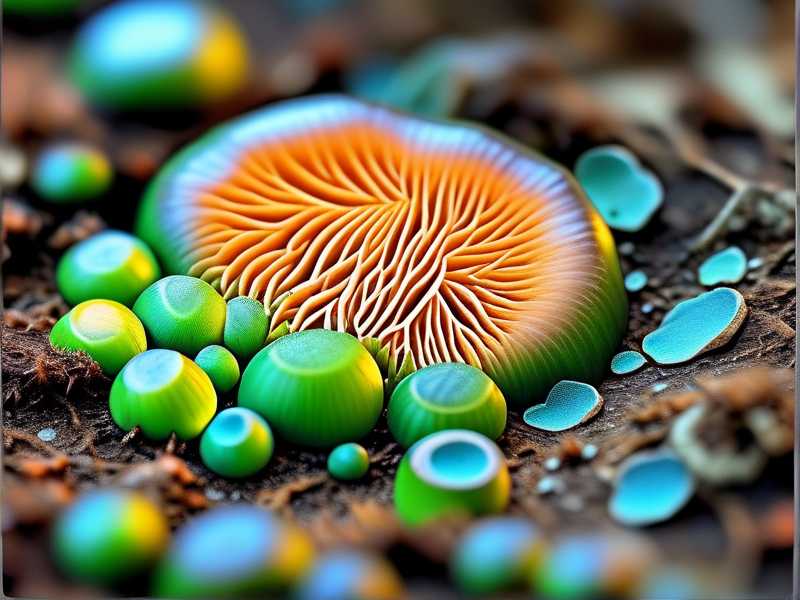
I used to do this with my first moss ball. I soaked it completely every morning. Within a week, the lichen on top started peeling off. The moss underneath turned slimy. I had to throw the whole thing away.
The fix is simple. Use a spray bottle. Mist the surface lightly. Do not soak the bark or the moss. Just enough to make the lichen look slightly damp. Then let it dry completely before the next misting.
I also found that morning watering works best. The lichen has the whole day to dry out. Evening misting keeps moisture trapped overnight. That is when rot sets in.
Newbie Mistake #2: Wrong Light Placement
I used to put my lichen in a dark corner. I thought because it grows on trees in forests, it must hate light. That was wrong.
Lichens actually need indirect but bright light. I put one on a north-facing windowsill. It did fine. Then I moved it to a darker shelf. Within two weeks, it turned pale and brittle.
The RHS explains that lichens use light for photosynthesis. Without enough light, they stop absorbing water properly. That is why they rot even if you water them correctly.
I eventually moved all my lichens to a spot that gets morning sun but afternoon shade. That made a huge difference. The color came back. The texture improved.
Newbie Mistake #3: Using the Wrong Pot
This one really stings. I bought a beautiful ceramic pot for my lichen. No drainage holes. I thought the lichen would look elegant.
It was a disaster.
Water pooled at the bottom. The bark absorbed moisture from below. The lichen started lifting off the surface. I tried to dry it out, but the damage was done.
Now I use shallow trays or open terrariums. No deep pots. I want the lichen to dry out fast. If you must use a pot, add a layer of pebbles at the bottom. That creates an air gap. The lichen stays above the water.
The AHS suggests using materials like cork bark or driftwood. These do not hold water. They mimic natural growing conditions. That advice saved my next batch of lichens.
The Soak-and-Dry Method That Works
Let me walk you through the method I use now. This is how to water lichens without root rot.
First, check the surface. If the lichen feels dry to the touch, it is time. If it feels slightly damp, wait.
Second, use a fine mist spray. I use a small bottle from a craft store. Three to four spritzes are enough for a hand-sized piece of bark.
Third, place the lichen in a spot with good airflow. I put mine near a fan or an open window. The water evaporates in about two hours.
I repeat this every three to four days. During winter, I cut back to once a week. The lichen goes dormant in low light. It needs less water.
I have been using this method for two weeks now. The lichens look vibrant. No rot. No yellowing. The color is consistent. The texture is firm but flexible.
My Two-Week Observation Log
Here is what I observed over 14 days.
Day 1: I misted lightly. Lichen looked darker immediately. That is normal. It is absorbing moisture.
Day 3: Still damp from the first misting. I skipped watering. Let it dry.
Day 5: Surface felt dry. I misted again. Color returned to pale green.
Day 7: A slight white film appeared. I panicked at first. But it was just dust. I lightly brushed it off.
Day 10: Lichen looked plump and healthy. No signs of rot. I increased airflow slightly.
Day 14: The lichen has grown slightly larger. The edges are crisp. The center is uniform.
This method works because it mimics nature. In the wild, lichens get occasional rain followed by long dry periods. They do not live in constantly wet conditions.
How to Tell If You Are Overwatering
You need to know the signs. I ignored them once. I will not do that again.
First sign: The lichen turns darker than usual. It looks wet even after drying. This means water is trapped inside.
Second sign: The base turns yellow or brown. That is rot starting. If you see this, stop watering immediately. Let the lichen dry out for a week.
Third sign: A musty smell. That is mold. Lichens do not smell like soil. If you smell something off, the rot has spread.
I check my lichens every morning. I touch the surface. If it feels cold or sticky, I skip watering. If it feels dry and papery, I mist.
Common Questions People Ask About Lichen Watering
Can I use tap water for my lichen?
I used tap water for the first few weeks. It worked fine. But then I noticed white spots. That was mineral buildup. Lichens are sensitive to hard water. I switched to distilled water. The spots disappeared.
What if my lichen already has root rot?
I have saved a few from rot. But you have to act fast. Remove the rotting parts with scissors. Let the rest dry out completely. Do not water for at least ten days. If the rot is deep, you might lose the whole lichen.
How do I water lichens on a vertical surface?
I have lichens mounted on a wall plaque. Spraying them is tricky. I use a mister with a long nozzle. I aim for the lichen surface, not the backing board. I only spray until the lichen looks damp. No runoff.
Final Pro Tips for Healthy Lichens
I have been doing this for a while now. Here is what I wish someone told me when I started.
Do not overthink. Lichens are low maintenance. They do not need fertilizer. They do not need repotting. They just need occasional misting and good air.
Use your finger to test moisture. That is more reliable than any gadget.
Keep them away from heaters and air conditioners. Drafts dry them out too fast.
And remember, lichens grow slowly. They do not need much. That is their superpower.
The RHS and AHS both emphasize that simplicity is key. If you follow these steps, you will keep your lichens alive for years.
I lost three lichens before I got this right. You do not have to make the same mistakes. Just mist lightly, let dry fully, and give them bright indirect light. That is all it takes.