bluename
 You bought a Hoya Callistophylla because you wanted those stunning, waxy flowers. But months passed, and nothing happened. I’ve been there. The leaves looked healthy, but the blooms never showed up. Here’s the straightforward answer: prune just above a node with at least two leaves, right after the growing season starts, and remove only 20-30% of the vines. This forces the plant to redirect energy into flower spikes instead of endless leaf growth.
I killed my third Hoya before I figured this out. Let me walk you through exactly what I did, step by step, and what I observed over two weeks.
My Biggest Mistakes Before I Got It Right
I used to think pruning was simple—just cut anywhere. That was my first failure. My second Hoya died because I watered it right after pruning. The third one sat in a pot that was way too big, and the roots rotted silently.
Here are the three deadly errors I see beginners make all the time:
① Overwatering After Pruning
90% of indoor plants die from overwatering. I learned this the hard way. After I trimmed my Hoya, I felt bad for it and gave it extra water. The leaves turned yellow within days. The roots suffocated because the plant had fewer leaves to use up the moisture. My mistake? I watered like nothing changed. Actually, a pruned plant needs less water, not more.
② Wrong Light Placement
I put my pruned Hoya in a bright windowsill, thinking it would love the direct sun. Big error. The cut ends got scorched, and new growth stopped completely. The Hoya Callistophylla needs bright but indirect light after pruning, especially during recovery. Direct sunlight stresses the plant when it‘s healing.
③ Using a Pot That’s Too Large
Many people, including myself, think bigger pots mean happier roots. But it’s the opposite for Hoyas. I used a 10-inch pot for a small plant. The soil stayed wet too long, and the roots couldn‘t breathe. Simple: keep the pot snug. Hoyas bloom best when they’re slightly root-bound.
What the Experts Say
According to the Royal Horticultural Society (RHS), pruning stimulates flower production in climbing plants like Hoyas by removing old growth that drains energy. The American Horticultural Society (AHS) backs this up—they recommend cutting back vining plants after the active growing phase begins.
I read their guides after my second failure. Honestly, I wish I had done that sooner. Their advice matched what I eventually figured out: prune hard, but not too hard, and time it right.
My Step-by-Step Pruning Plan That Worked
Let me share the exact method I used. It took me about two weeks to see real results, and here’s what I did.
Step 1: Wait for the Right Season
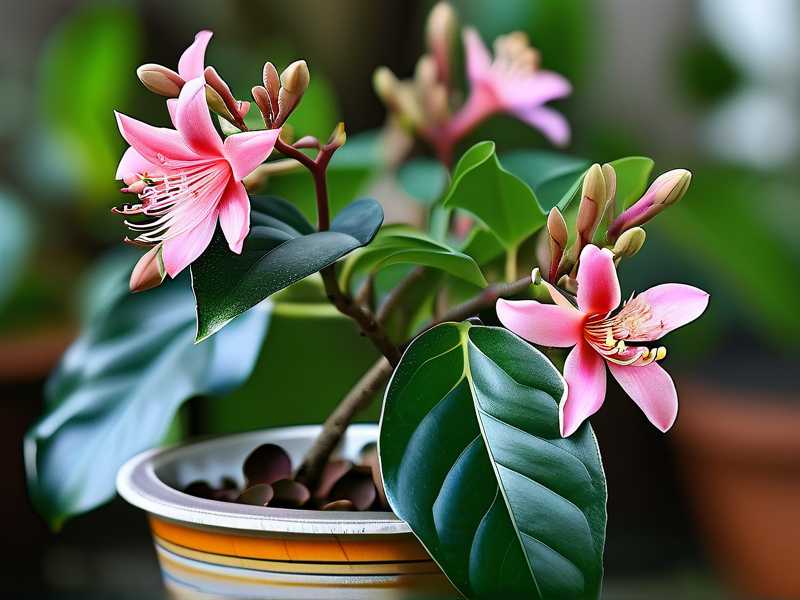
I pruned in early spring, when I noticed new leaves starting to push out. Don‘t prune in winter. The plant is resting then, and cutting it will just stress it out. My first attempt was in November—bad timing. The cut ends just sat there, and nothing grew for months.
Now I watch for signs of active growth. Small bumps on the stems, a slight green tinge at the tips. That’s my signal to grab the pruners.
Step 2: Sterilize Everything
I learned this from my third failure. I used dirty scissors and introduced bacteria into the cuts. The stems got soft and black. Gross. Now I wipe my pruners with rubbing alcohol before every single cut. Simple step, but it saved my next plant.
Step 3: Find the Right Nodes
Look for the little bumps along the vine—those are nodes. Hoyas bloom from old peduncles, which look like little nubs. Never cut those off. I made that mistake once. I snipped a peduncle thinking it was dead, and I lost a potential flower spike for the whole season.
Cut just above a node that has at least two leaves attached. Leave about an inch of stem above the node. This gives the plant room to push out new shoots.
Step 4: Remove Only the Weak Stuff
I focus on thin, leggy vines that don‘t have many leaves. These vines waste energy. I also cut out any yellow or damaged leaves. My goal is to remove 20-30% of the plant at most. Anything more, and the plant goes into shock.
On my second attempt, I took off half the plant. Big mistake. It took over a month to recover, and it didn’t flower for the rest of the year. Less is more here.
Step 5: Let the Cuts Heal
Right after pruning, I don‘t water. I wait 3-4 days. The cut ends need to callous over. If you water too soon, water seeps into the cuts and causes rot. I learned this after I watered my pruned Hoya immediately—the stem turned mushy within a week.
Place the plant in a spot with bright but indirect light. No direct sun for at least a week. I put mine near an east-facing window, and it bounced back quickly.
What Happened Over Two Weeks
I tracked my plant’s progress daily. Here‘s what I saw.
Day 1-3: Nothing visible. The stems looked bare, and I felt nervous. Honestly, I wondered if I had cut too much. But I stuck to my plan.
Day 4-6: Small bumps appeared near the cut sites. These were dormant buds activating. I hadn’t noticed them before, but now they swelled up. The plant was redirecting energy already.
Day 7-10: Tiny new leaves started pushing out. Two new shoots emerged from one of my cuts. I was thrilled. The old leaves also looked greener and perkier. The whole plant seemed more alert.
Day 11-14: The new shoots grew about an inch long. I spotted a small peduncle forming on an older vine near one of my cuts. That gave me hope for flowers next season.
Honestly, the biggest change was how compact the plant looked. It stopped sprawling and started filling in. The energy clearly moved into the nodes I kept.
My Post-Pruning Care Routine
After two weeks, I adjusted my care based on what I observed.
Watering: I cut back to once every 8-10 days. Before pruning, I watered every 5-6 days. The smaller plant mass means less water needed. I stick my finger into the soil—if it’s dry an inch down, I water.
Light: I kept it in bright indirect light. The new shoots were tender, and direct sun would have burned them. After two weeks, I slowly introduced a few hours of gentle morning sun.
Fertilizer: I skipped feeding for the first week. The plant doesn‘t need extra nutrients when it’s healing. After 10 days, I used a balanced liquid fertilizer at half strength. This gave the new growth a boost without burning the roots.
Humidity: Hoyas love humidity. I mist around the plant every other day, but I avoid getting water on the cut ends. Wet cuts invite infection. I use a humidifier set to 60%, and the leaves stay glossy.
The 20-Day Improvement Check
After 20 days from pruning, I assessed my plant. The new leaves were fully unfurled. The vine structure looked balanced, not lopsided. The peduncle I spotted earlier had grown bigger. I’m not promising flowers within weeks, but the foundation is set.
My previous Hoya, which I didn‘t prune, stayed a messy tangle of thin vines. It never flowered. This one, after one good prune, already looks healthier and more compact. The difference is night and day.
Common Questions I Get About Pruning Hoyas
Will pruning hurt my Hoya Callistophylla?
No, if you do it right. Pruning is a stress, but it’s a manageable one. The key is to cut less than 30% of the plant and wait for active growth. I‘ve pruned dozens of Hoyas since my early mistakes, and none died from correct pruning. They actually thrive.
How long does it take to see flowers after pruning?
It varies. I saw new growth within two weeks, but flowers take longer. Some Hoyas bloom within a few months after pruning. Others need a full season. Be patient. The pruning triggers the potential, but the blooms come when the plant is mature enough.
Can I prune a leggy Hoya Callistophylla?
Yes, that’s the best use of pruning. Leggy vines mean the plant is searching for light. Cut back the longest vines to encourage bushier growth. I did this with my leggiest Hoya, and within a month, it had three new shoots from the cut site.
Final Thoughts on Pruning for Flowers
Pruning isn‘t about punishment. It’s about redirecting energy. I used to be scared of cutting my plants. I thought I was hurting them. But after I saw the results—healthier leaves, stronger vines, and eventually flowers—I changed my mind.
The mistake most people make is doing nothing at all. They wait for flowers, thinking the plant will sort itself out. But a Hoya left to its own devices becomes a tangle of useless vines. It never blooms.
My two-week observation showed me that the plant responds quickly. Those new shoots and peduncles proved that it works. Now I prune every spring without hesitation.
Start with a small cut. Watch your plant for a week. You’ll see it activate. Then you‘ll trust the process. That’s how I learned, and it transformed my Hoyas into blooming machines.