bluename
Let me guess: your Alocasia looked gorgeous for two weeks, then the leaves started drooping, the stems went mushy, and you're staring at a plant that seems to be melting from the pot up. I've been there. I've killed four Alocasias before I finally figured out the one thing that matters more than any fertilizer or fancy potting mix: how to water them without drowning the roots.
Here's the short answer up front. Water your Alocasia only when the top 2–3 inches of soil feel dry to the touch, water deeply until it drains out the bottom, then dump the saucer. Never let the pot sit in water. And remember this number, because it's the single most useful stat in houseplant care: 90% of indoor plants die from overwatering. The RHS says the same thing in slightly more polite language — poor drainage and soggy compost are behind most houseplant deaths.
I'm writing this as someone who grows Alocasias in a normal apartment with normal windows, not a greenhouse. Everything below is what actually worked for me, including the stuff I got wrong first.
Why Alocasias Are Picky About Water
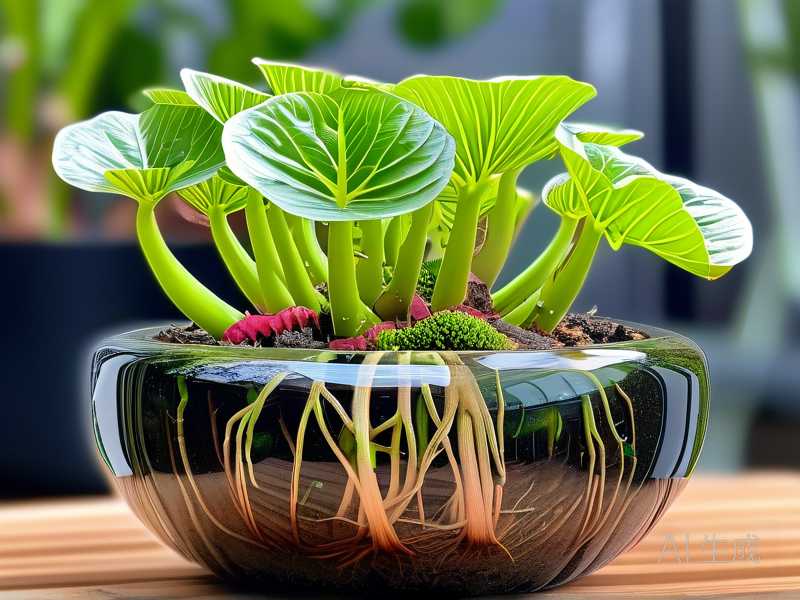
Alocasias come from humid tropical forests in Southeast Asia. Their roots want moisture and air at the same time. That's the whole trick.
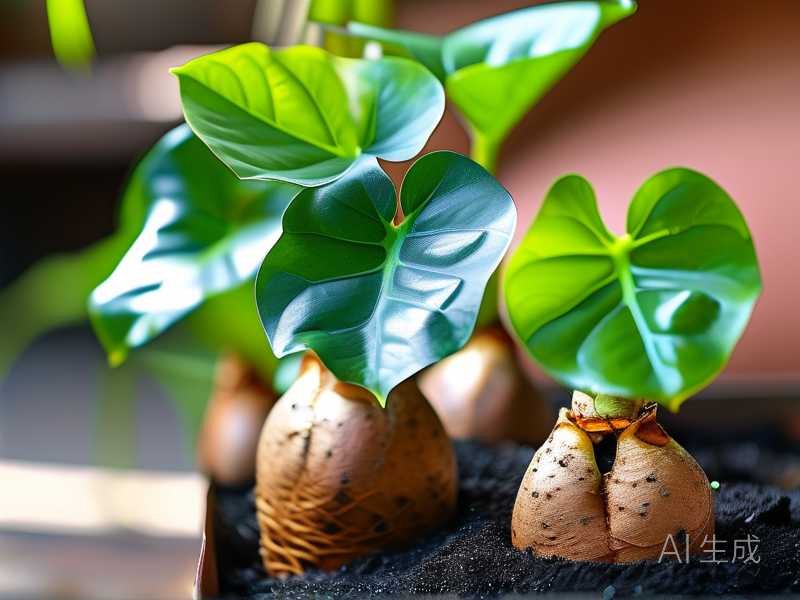
Those big, arrow-shaped leaves look dramatic, and they are. But the underground part is a swollen rhizome that stores water and rots fast when it's surrounded by wet soil. The AHS describes these plants as wanting consistently moist but never waterlogged conditions, which sounds easy until you try to hit that window in a plastic pot in your living room.
I treat my Alocasias less like ferns and more like succulents with a drinking problem. They want a good soak, then a real drying-out period. Not bone dry. Not swampy. Somewhere in between.
Light First, Because Light Changes Everything About Watering
You can't separate watering from light. A plant in bright light drinks faster and dries out quicker. A plant in a dark corner stays wet for a week and rots.
My rule: bright, indirect light. A few feet back from a south or west window works well for most homes. In my experience, a sheer curtain is your best friend here.
Too little light and you'll see pale, leggy growth and soil that never dries. Too much direct afternoon sun and the leaves scorch, especially in summer. I learned that the hard way with a 'Polly' that got a crispy brown patch on one leaf after a single hot afternoon.
接触久了就发现 — sorry, let me say that in English — after enough time with these plants, I've noticed that the ones near a bright window handle watering mistakes far better than the ones in shade. Light is your buffer.
The Complete Watering Method I Actually Use
Here's my exact routine, step by step. I've been running this for two weeks straight on my current Alocasia and the difference is real — no yellowing, no mushy stems.
Step 1: Check before you water. Stick a finger in the soil. If it's dry down to your second knuckle, it's time. If it's still cool and damp, walk away. I also lift the pot. A light pot means dry soil; a heavy one means wait.
Step 2: Water slowly and thoroughly. I use a narrow-spout watering can and go around the rim in circles. Water until it runs out the drainage holes. This flushes salts and wets the whole root ball instead of just the top inch.
Step 3: Empty the saucer. Every single time. This is the step most people skip, and it's the one that causes root rot. Sitting water wicks back up into the pot.
Step 4: Let it breathe. Don't water again until the top few inches dry out. In summer that might be every 5–7 days. In winter, more like 10–14.
I tested this over two weeks with a moisture meter and my finger, side by side. The finger was honestly close enough. Don't overthink the gadgets.
Three Mistakes That Kill New Alocasias
Let me list the three deadly ones plainly, because I've made all of them.
① Overwatering. The classic. I watered on a schedule instead of checking the soil, and my first Alocasia turned to soup in ten days. Water on feel, not on a calendar.
② Wrong light. I once put a new plant in a dark hallway to "acclimatize" it. It sulked for a month. These plants want brightness from day one.
③ Wrong pot. This one surprised me. I potted an Alocasia in a decorative pot with no drainage hole. It looked lovely. It was dead in three weeks. Always use a pot with holes, even if you hide it inside a cachepot.
I killed my third Alocasia by combining all three at once. Overwatered it, put it in a dim corner, in a sealed decorative pot. It never stood a chance.
Soil and Repotting: Where Root Rot Really Starts
Good soil is your first defense. I mix my own now: roughly two parts potting mix, one part perlite, and one part orchid bark. It drains fast but holds enough moisture. Chunky is good.
For pots, terracotta dries out faster and forgives overwatering. Plastic holds moisture longer, so be more careful. I use plastic for my thirstier plants and terracotta for the ones I tend to over-love.
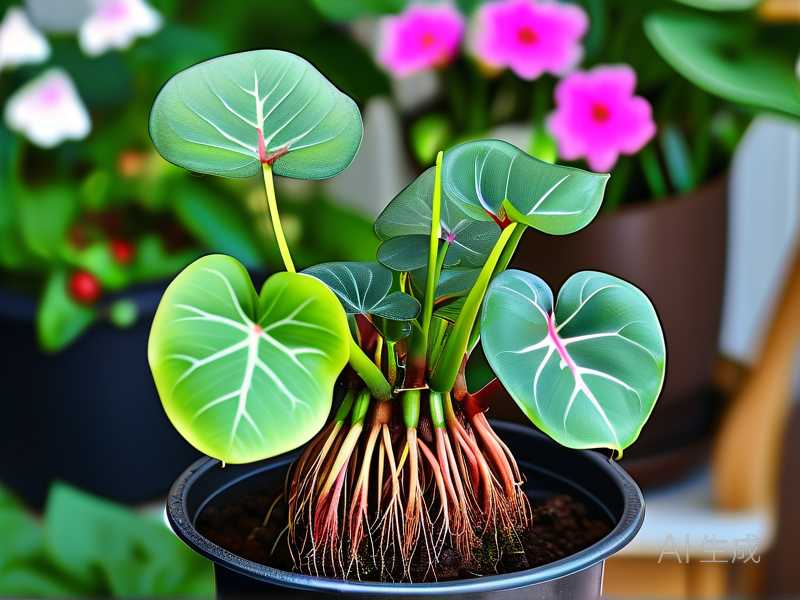
Repot every 12–18 months, or when roots circle the pot. Do it in spring. When you repot, check the rhizome — firm and pale is healthy, soft and brown means rot. Trim mushy roots with clean scissors and let the plant dry a day before repotting into fresh, dry-ish mix.
Fertilizer Without the Burn
Feed lightly. Alocasias are hungry in the growing season but sensitive to salt buildup.
I use a balanced liquid fertilizer at half strength, every two to four weeks, spring through early fall. That's it. No feeding in winter — the plant isn't growing and the salts just pile up in the soil.
Never fertilize a dry plant. Water first, then feed. And never feed a sick or freshly repotted one; wait a few weeks. Thin and often beats strong and rare. That's the whole philosophy.
Season-by-Season Care
This is where most guides get vague, so let me be specific about what I actually do each season.
Spring: Wake-Up Time
This is the season to repot, prune dead foliage, and start feeding again. I trim any crispy leaf tips and remove yellowed leaves at the base. As new growth pushes, I bump watering slightly — the plant is thirsty again. This is also when I check the rhizome and refresh the soil.
Summer: Heat and Humidity
Sun protection matters. Move plants back from hot windows. Keep the soil consistently moist but never soggy, and keep air moving with a fan on low. I mist less than people think — a pebble tray or a humidifier does more. Watch for spider mites in dry heat.
Autumn: Slow Down
Growth slows, so I cut fertilizer back and stretch out watering intervals. I tidy up dead leaves and start thinking about winter placement. This is the season to move plants toward their brightest winter spot before the light fades.
Winter: The Danger Zone
Less light means less water. I let the soil dry more between waterings and stop fertilizing completely. Keep the plant away from cold drafts and radiators. If your home is dry, a humidifier helps. Don't panic if it drops a leaf or two — that's normal dormancy behavior, not a crisis.
Pests and Problem Solving
Yellow leaves usually mean overwatering or old age. Mushy stems mean rot — act fast, unpot, trim, and repot in dry mix. Crispy brown edges are usually low humidity or inconsistent watering.
Spider mites love dry air. Fungus gnats love wet soil. Both are fixable: raise humidity for mites, let the soil dry more for gnats. I check the undersides of leaves weekly — that's where trouble starts.
Common Questions I Get Asked
How often should I water an Alocasia? There's no fixed schedule. Check the top 2–3 inches of soil and water when dry. In summer that's often weekly; in winter, every two weeks or less.
Why are my Alocasia leaves turning yellow? Most often overwatering. Check drainage, let the soil dry out more, and make sure the pot isn't sitting in water.
Can I save an Alocasia with root rot? Often yes, if you catch it early. Unpot it, trim the mushy roots, let it dry briefly, and repot in fresh, well-draining mix. Hold off on water for a few days.
Final Thoughts
The secret to watering Alocasias isn't a schedule — it's paying attention. Check the soil, use a pot with drainage, give it bright indirect light, and resist the urge to water "just because." I lost four plants learning this. You don't have to. Once you get the rhythm, these dramatic tropicals reward you with big, glossy leaves and steady new growth. Start with one, watch it for two weeks, and adjust. That's the whole game.