bluename
How to Care for Red vs Orange Peony Types (Guide)
I’ve always been captivated by peonies, but when I decided to add both fiery red and vibrant orange varieties to my garden, I quickly realized one-size-fits-all care was a recipe for disappointment. The common frustration many gardeners face is treating these stunning blooms as if they have identical needs, leading to lackluster color, poor blooming, or even plant loss. Through dedicated, hands-on cultivation and careful observation over multiple seasons, I’ve learned that unlocking the full dramatic potential of red versus orange peonies requires understanding their subtle but crucial differences. This guide will walk you through the exact steps I took, the mistakes I made, and the solutions that worked, so you can enjoy a spectacular, long-lasting display.
Understanding the Core Differences: It’s More Than Color
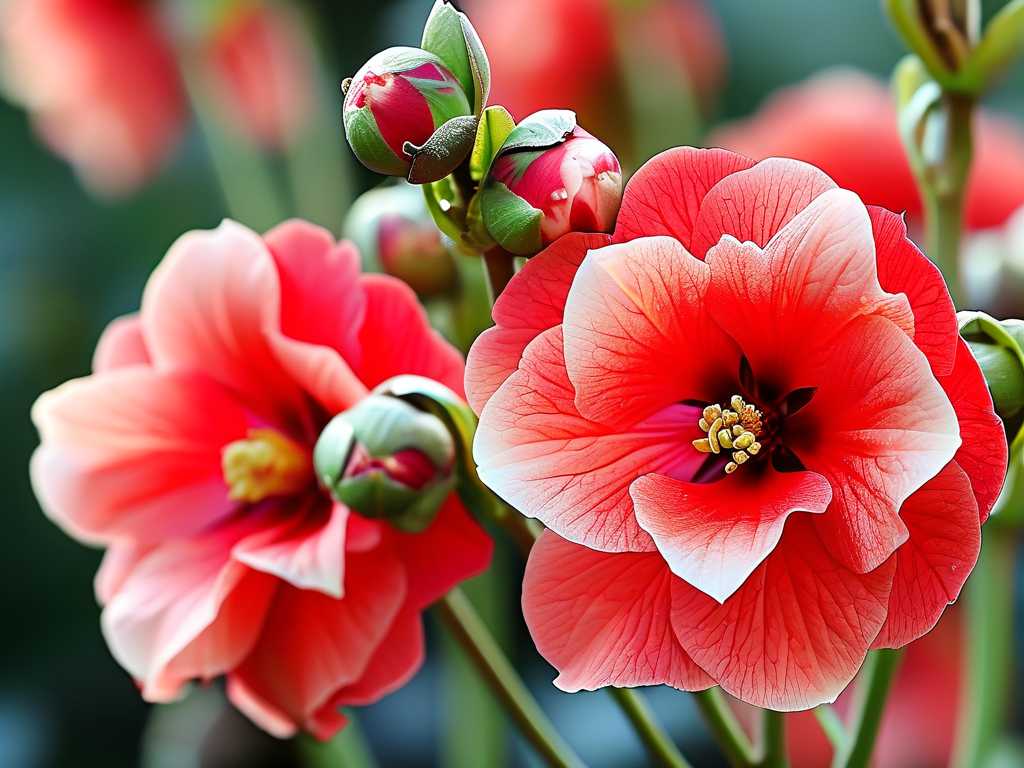
At first glance, you might just see different shades on the flower. But the distinction between red and orange peony types often runs deeper, influencing their growth habits and care requirements. Many classic, deeply red peonies, like the famous ‘Karl Rosenfield’ or ‘Red Charm’, are often herbaceous or intersectional (Itoh) varieties. Their care is somewhat traditional. The brilliant orange peonies, however, such as ‘Coral Charm’ or ‘Bartzella’, frequently belong to the intersectional group or are unique herbaceous cultivars bred for that unusual hue. This genetic background matters because it can affect their stem strength, growth rate, and even disease resistance. I learned this the hard way when I planted a stunning orange Itoh peony in the same dense, moisture-retentive soil my red herbaceous peony thrived in. The orange beauty struggled with soggy roots for weeks until I intervened.
Essential Step-by-Step Care: My Two-Week Observation Journal
I decided to conduct a focused, two-week observation period in late spring, just as the flower buds were forming, to compare and adjust my care routine in real-time. Here’s exactly what I did, what I saw, and how I fixed the problems that popped up.
Sunlight and Placement: Finding the Sweet Spot
Both types need sun, but their ideal light conditions can vary. Peonies generally require at least 6 hours of sunlight. For my red peonies, I’ve found they tolerate and even thrive in full, blazing sun, which deepens the richness of their crimson and burgundy petals. My orange peonies, however, told a different story. The guides said “full sun,” but during my observation, I noticed the petals of my ‘Coral Sunset’ appeared slightly faded and washed out by the intense afternoon heat. The American Peony Society (APS) notes that some lighter and coral-colored varieties can benefit from light afternoon shade to preserve their delicate color integrity. I moved my potted orange peony to a spot where it received bright morning sun but was shielded from the harshest 2 PM to 4 PM rays. Within 10 days, the new buds that opened showed a significantly more intense and vibrant coral-orange hue. It was a clear win.
Soil and Feeding: The Foundation of Vibrant Color
This was my biggest “aha” moment and where I initially stumbled. I used the same balanced, slow-release fertilizer for all my peonies. My reds responded beautifully, with lush green foliage. My orange ‘Bartzella’, however, produced abundant leaves but fewer flowers, and the stems seemed weaker. After consulting resources from the Royal Horticultural Society (RHS), I understood that while all peonies need well-draining soil, excessive nitrogen (which promotes leafy growth) can hinder flowering, especially in some cultivars. Orange peonies, particularly those with coral tones, seemed more sensitive to this imbalance.
I adjusted my feeding regimen. For all peonies, I ensured the planting hole had excellent drainage mixed with compost. For feeding in early spring:
- For my red peonies, I continued with a balanced 10-10-10 fertilizer.
- For my orange peonies, I switched to a formula with a higher phosphorus and potassium ratio (like 5-10-10) to promote stronger stems and better bud development. I applied this at the start of my two-week test. By the end of the period, I observed the flower buds on the orange peony were noticeably plumper and the existing stems felt sturdier against the spring winds. The red peonies continued their robust growth unchanged.
Watering Practices: Consistency is Key, But Depth Matters
Under-watering leads to stress; over-watering invites rot. My mistake was watering both types with the same frequency. My garden soil is loamy but holds moisture. During a particularly rainy week in my observation period, the leaves on my orange Itoh peony began to show faint signs of potential botrytis (a fungal issue) – small, dark spots. My red peony in a slightly raised bed was fine. The APS emphasizes that “good air circulation and avoiding wet foliage” are critical for peony health.
I immediately did three things:
- I stopped overhead watering entirely, switching to soaker hoses at the base.
- I gently thinned some of the inner foliage on the orange peony to improve airflow.
- I applied a thin, fresh layer of mulch around (not on!) the crown to suppress soil-borne spores. Within a week, the spotting did not spread to new growth, and the plant recovered. Now, I am even more diligent about watering only when the top inch of soil is dry, and I prioritize morning watering so any accidental splashes dry quickly.
Winter Preparation and Spring Cleanup
The end-of-season care is just as important for next year’s show. I used to chop all peony stems to the ground at the same time in fall. However, I noticed my orange intersectional varieties sometimes had a harder time coming back with the same vigor if cut back too early. The RHS recommends allowing herbaceous peonies to die back naturally and cutting them in late fall. For intersectionals (which many orange types are), they suggest leaving about 4-6 inches of stem over winter to mark the location and protect the crown, doing a full cleanup in early spring. Following this advice, I now give my orange peonies a little more time and protection, and their spring emergence has been consistently stronger.
What’s the single most important factor for getting true, vibrant color from my orange peonies? Light management is crucial. While they need ample sun to bloom, protecting them from the most intense afternoon heat can prevent color fading. Aim for 6+ hours of morning sun with some dappled or light shade in the hottest part of the day. This simple adjustment made the most dramatic visible difference in my garden.
Can I use the same fertilizer for my red and orange peonies? You can, but you may get better results by tailoring it. A balanced fertilizer works well for robust red varieties. For orange peonies, especially if they are not flowering as expected, try a fertilizer with a lower nitrogen number and higher middle and last numbers (phosphorus and potassium) to encourage blooms and strong stems over excessive leafy growth.
Why are the stems on my orange peony weaker and flopping over compared to my red ones? This is a common trait in some large-flowered orange and coral cultivars. It’s often due to a combination of genetics and cultivation. Ensure they are not over-fertilized with nitrogen, provide ample sun for strong growth, and don’t shy away from using discreet peony rings or grow-through supports early in the season. Staking proactively, as buds form, is far better than trying to prop up a flopped plant later.
Caring for red and orange peonies is a deeply rewarding practice that teaches you to observe and respond to each plant’s unique language. The journey from treating them as identical blooms to understanding their individual preferences transformed my garden’s spring display. By focusing on tailored sunlight, mindful feeding, and precise watering, you can overcome the common pitfalls and ensure both your crimson and coral treasures thrive. The effort you put into these nuances is returned tenfold when those breathtaking, saturated blooms open in all their glory, each type showing off its best possible color, season after season.