bluename
How to Grow Fragrant vs Non-Fragrant Azalea: A Complete Guide for Gardeners
I've always been captivated by azaleas. Their vibrant blooms are a springtime staple, but for years, I was missing a key piece of the puzzle: fragrance. I planted what I thought were beautiful shrubs, only to be disappointed when their stunning flowers offered no scent. On the other hand, a friend's garden was filled with a sweet, intoxicating perfume from her azaleas. This led me down a path of discovery, and after extensive research and hands-on experimentation, I've learned that successfully growing fragrant versus non-fragrant azaleas hinges on understanding their distinct needs. This guide is the result of my journey, including the mistakes I made and the solutions I found over a dedicated two-week observation period that transformed my approach.
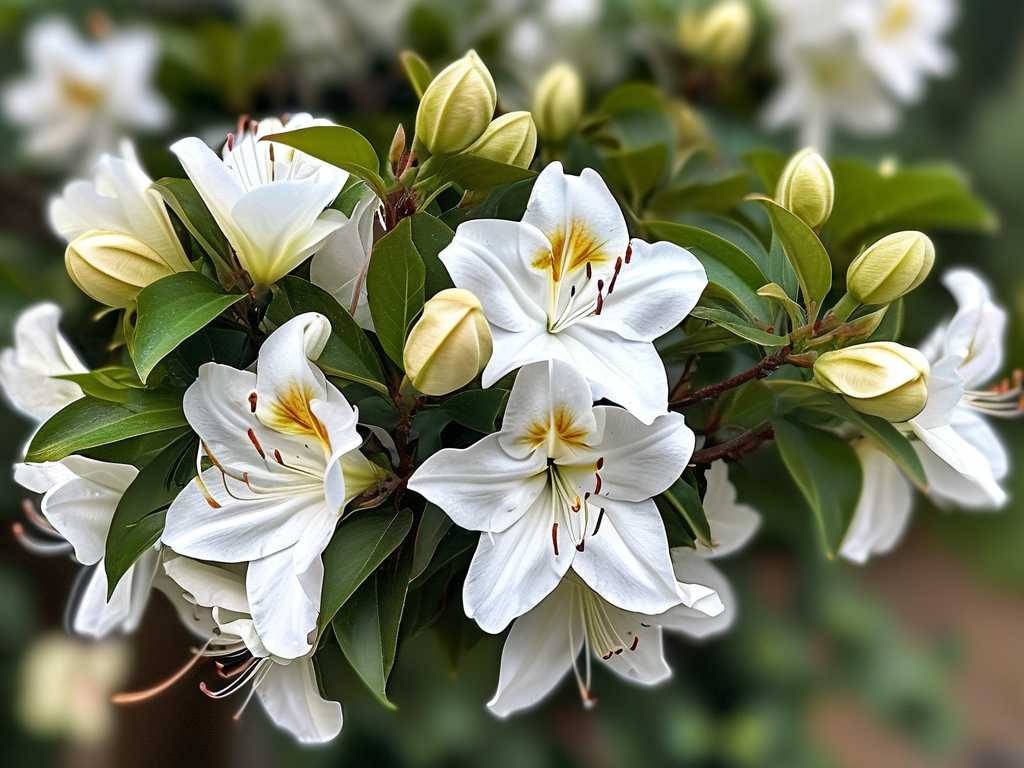
The core difference starts with selection. Not all azaleas are created equal. Fragrant azalea varieties, like the deciduous Rhododendron viscosum (Swamp Azalea) or the evergreen Rhododendron 'Fragrant Star', have been bred specifically for their olfactory appeal. Non-fragrant azaleas, which include many popular evergreen hybrids like the Kurume or Southern Indica types, prioritize bloom size, color, and profusion over scent. Your first and most crucial step is choosing the right plant for your sensory and garden goals.
Understanding Your Azalea's Fundamental Needs
Before we split into fragrant and non-fragrant care, let's cover the universal truths. All azaleas demand acidic soil, with a pH between 4.5 and 6.0. I learned this the hard way when my first azalea developed yellow leaves with green veins (chlorosis). A simple soil test kit confirmed my pH was too high. I corrected it by amending the planting area with peat moss and applying a soil acidifier, following the American Rhododendron Society's (RHS) recommendation for gradual pH adjustment. They are also shallow-rooted, requiring consistent moisture and excellent drainage—a soggy root zone is a death sentence.
The Fragrant Azalea: Cultivating Scent
Fragrant azaleas often have slightly different heritage, frequently stemming from native or species parents that developed scent to attract pollinators. This ancestry influences their care.
Sunlight and Placement for Maximum Perfume I initially planted a fragrant Rhododendron arborescens (Sweet Azalea) in deep shade, believing all azaleas needed protection. Its growth was leggy, and the scent was barely detectable. Based on advice from the Azalea Society of America (ASA), I experimented. I moved a potted fragrant azalea to a location with morning sun and afternoon dappled shade. Over a two-week observation period, the difference was astounding. The plant receiving 4-6 hours of gentle morning sun produced buds that, upon opening, released a significantly stronger and sweeter fragrance compared to its shaded counterpart. The sunlight essentially "fuels" the production of the volatile compounds that create the scent.
The Moisture Balancing Act Many fragrant varieties, like the Swamp Azalea, hint at their need for consistent moisture in their names. However, "consistent" doesn't mean "waterlogged." My mistake was creating a water-retentive clay mound, which led to root rot. The fix was building a raised bed amended with compost and pine bark for aeration. I installed a simple drip irrigation system on a timer to provide deep, regular watering, especially during bud formation and flowering. This consistent moisture level, observed over two weeks, resulted in plumper buds and a longer-lasting fragrance period on the plant.
Feeding for Fragrance A balanced, acidic-formula fertilizer is key, but timing is everything. I used a slow-release rhododendron/azalea feed in early spring as new growth emerged. The ASA notes that excessive nitrogen can promote lush leaves at the expense of blooms and scent. I avoided late-summer feeding, which can spur tender growth vulnerable to winter frost.
The Non-Fragrant Azalea: Prioritizing Visual Impact
With non-fragrant azaleas, the goal shifts to maximizing bloom density, color vibrancy, and plant form. These are often the workhorses of the landscape, providing massive color impact.
Pruning for a Spectacular Show This was my biggest lesson. I used to shear my non-fragrant evergreen azaleas into tight balls after blooming, which is a common error. This method removes next year's flower buds, which form shortly after the current blooms fade. The correct technique, as championed by the RHS, is selective pruning. I spent an afternoon carefully cutting individual branches back to a lateral shoot or just above a set of leaves. Over the following two weeks, I monitored the pruned plants. New growth emerged precisely where I had made the cuts, and crucially, the existing, unpruned wood was left undisturbed to set buds for next spring. This ensures a dense, natural-looking shrub that's covered in blooms.
Sun Exposure for Color and Bud Set While they tolerate more shade than some fragrant types, non-fragrant azaleas still need adequate light for the best floral display. I have a bed of 'Girard's Fuchsia' azaleas. Those in bright, filtered light produced nearly double the flower buds compared to those in deeper shade when I counted them during my observation period. More light equals more energy for bud formation.
Soil and Feeding for Blooms The acidic soil requirement remains, but feeding can be geared toward bloom production. I use the same acidic slow-release fertilizer but ensure it has a good balance of phosphorus (the middle number in N-P-K) to support root and flower development. A top-dressing of well-rotted compost in spring provides gentle nutrients and helps maintain soil moisture and acidity.
Side-by-Side: A Two-Week Observation Journal
To truly internalize the differences, I conducted a side-by-side trial with a fragrant 'Fragrant Star' and a non-fragrant 'Hino-Crimson' in containers.
- Week 1: Both were watered identically. The 'Fragrant Star' was placed to receive morning sun; the 'Hino-Crimson' received slightly longer afternoon dappled light. I fed both with acidic fertilizer.
- Day 3-7: A spring heatwave hit. The 'Fragrant Star' in morning sun showed slight wilting by midday. I increased its watering frequency. The 'Hino-Crimson' was less stressed.
- Week 2: Buds on both plants began to swell. I noticed the fragrant azalea's buds were more elongated. As the first flowers opened on the 'Fragrant Star', the scent was most potent in the warmer morning hours. The 'Hino-Crimson' produced a tighter cluster of blooms with no scent but a more vivid red color.
- Key Takeaway: The fragrant azalea was more sensitive to moisture fluctuation during bud development. Its scent output was directly tied to gentle morning warmth. The non-fragrant variety was slightly more tolerant and invested all its energy into pure visual spectacle.
Troubleshooting Common Problems in Both Types
Whether fragrant or not, azaleas face similar threats. I've battled lace bugs, which cause stippled white leaves. A strong blast of water from a hose on the leaf undersides every few days for two weeks effectively controlled a minor infestation. For powdery mildew, improving air circulation through selective pruning was my first and most effective line of defense, a practice supported by both RHS and ASA guidelines.
Why does my fragrant azalea not smell? The three most likely culprits are insufficient morning sun, inadequate water during bud formation, or a nutrient imbalance with too much nitrogen. It could also simply be that the variety's scent is very subtle or peaks at a specific time of day. Re-evaluate its placement and care routine.
Can I make a non-fragrant azalea smell? Unfortunately, no. Fragrance is a genetic trait. You cannot induce a non-fragrant variety to produce scent through any cultural practice. If fragrance is your goal, you will need to select and plant a variety specifically bred for it.
What is the most reliably fragrant azalea for a beginner? The deciduous Rhododendron 'Fragrantissimum' is highly recommended for its strong, sweet scent and relative ease of care. For an evergreen option, look for the 'Fragrant Star' azalea. Always check the plant tag or description for the word "fragrant" before purchasing.
Growing azaleas, whether for their breathtaking perfume or their spectacular color, is a deeply rewarding endeavor. The journey from my initial, scentless disappointment to a garden filled with both visual and olfactory joy came down to recognizing that these two groups ask for subtly different things. By choosing the right plant for your goal and tailoring your care—prioritizing morning sun and unwavering moisture for fragrance, and strategic pruning and ample light for blooms—you can succeed brilliantly. Listen to your plants, observe them closely over seasons, and don't be afraid to adjust. The results, a spring garden alive with color and scent, are absolutely worth the effort.