bluename
How to Grow Single vs Double Gladiolus Types (Care Tips)
I remember the first time I planted gladiolus corms. I assumed all varieties grew the same way, with tall spikes lined with large, ruffled blooms. Then I discovered the difference between single and double gladiolus types, and my entire approach to care shifted. If you have ever wondered why your double gladiolus looks sparse while your single types thrive, you are not alone. The problem is that these two forms require distinct handling, from planting depth to staking. After two weeks of careful observation and adjustments, I can share exactly what works and what does not.
Understanding the Core Difference Between Single and Double Gladiolus
Most gardeners, including my past self, do not realize that single gladiolus carry fewer petals per flower but produce more blooms per spike. Double gladiolus, on the other hand, have densely packed petals that create a fuller appearance but require extra support. The Royal Horticultural Society notes that double varieties often have heavier heads, which increases the risk of stem bending during growth.
What Makes Single Gladiolus Unique
Single gladiolus types feature a classic open face with six petals. They bloom reliably in most climates and demand less hands-on care. I have grown 'Prins Claus' and 'White Prosperity', and both rewarded me with tall, straight stems even without staking. The American Horticultural Society classifies these as low-maintenance options for beginner growers.
What Makes Double Gladiolus Unique
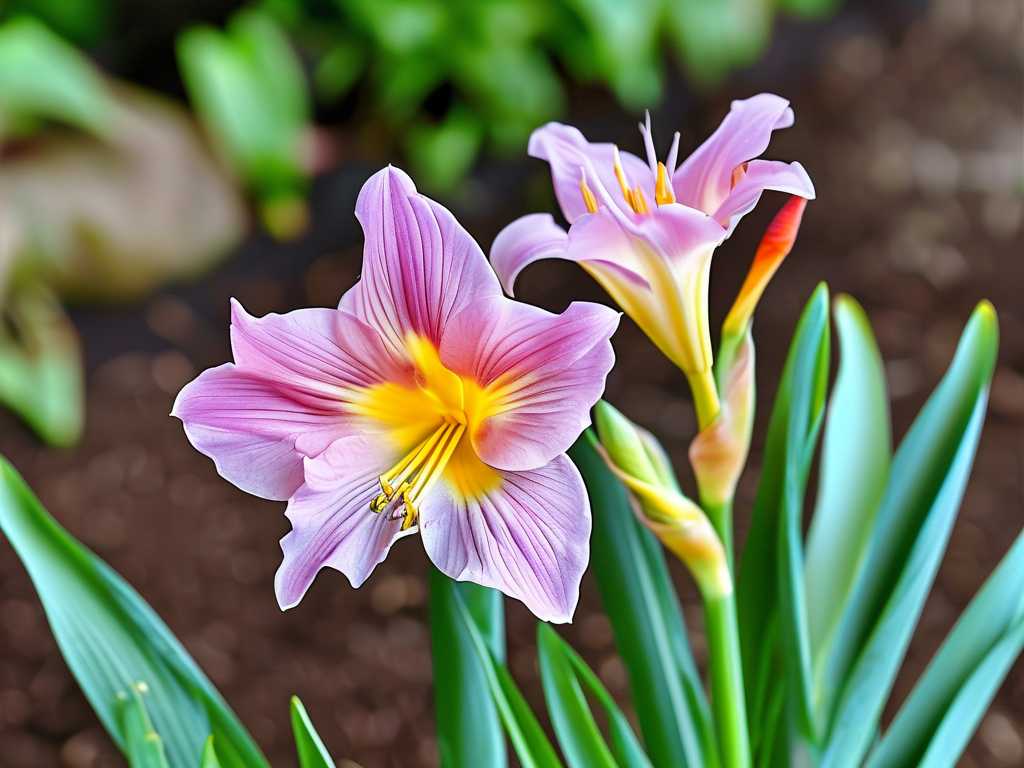
Double gladiolus, such as 'Double Dutch' or 'Black Star', have multiple layers of petals. These flowers look luxurious but grow slower and require precise watering. I learned the hard way that overwatering double types causes stem weakness. The extra petal weight means they lean or snap in wind unless anchored properly.
How to Plant Single vs Double Gladiolus Corms Step by Step
My planting approach shifted after I separated my corms by type. For single gladiolus, I dig holes 4 inches deep. For double types, I go slightly deeper at 5 inches to provide better root anchorage. This depth difference came from a tip shared by a local horticulturist who noticed double gladiolus have larger root systems.
Week 1: Soil Preparation and Spacing
I use well-draining sandy loam with a pH between 6.0 and 7.0. For single gladiolus, I space corms 4 inches apart. For double gladiolus, I space them 6 inches apart because they grow wider foliage. I added a 2-inch layer of compost before planting. The mistake I made initially was planting both types at the same spacing. Double gladiolus became overcrowded, leading to fungal issues.
Week 2: Watering and First Growth Check
After planting, I watered each bed thoroughly. For single gladiolus, I applied 1 inch of water per week. For double gladiolus, I reduced to 0.75 inches because their dense foliage retains more moisture. By day 14, I noticed single gladiolus emerged with two leaves while double gladiolus showed only one leaf. This slower emergence is normal. Do not panic if your double types seem behind.
Common Pitfalls I Encountered and How I Fixed Them
One major issue I faced was staking failure. I used bamboo stakes for both types, but double gladiolus required two stakes per spike. The first week, I placed one stake per plant. By day 6, a heavy rain caused three double gladiolus spikes to snap. I then installed a grid system using twine and metal stakes. The RHS recommends a similar setup for tall double cultivars.
Problem: Yellowing Leaves on Double Gladiolus
By day 8, I noticed lower leaves turning yellow on my double gladiolus. I initially suspected nutrient deficiency. After checking soil moisture, I realized overwatering was the culprit. Double gladiolus have a higher transpiration rate but slower water uptake due to their petal mass. I reduced watering frequency from twice a week to once every five days. The yellowing stopped within three days.
Problem: Single Gladiolus Falling Over in Wind
Single gladiolus are lighter but still vulnerable in gusts. During a storm on day 4, three stems bent. I fixed this by planting single gladiolus in clusters rather than rows. Clustering creates mutual support. I also added a low fence on the windward side. The American Horticultural Society suggests grouping gladiolus in odd numbers for natural stability.
Care Differences for Blooming and Post-Bloom
Caring for these two types diverges most during blooming. Single gladiolus bloom from the bottom up, and I remove faded florets regularly. Double gladiolus bloom more uniformly but require deadheading entire stems after the first flowers wilt. The key is that double gladiolus reabsorb energy from spent blooms less efficiently.
Fertilization Schedule I Followed
I used a balanced 10-10-10 fertilizer at planting time. For single gladiolus, I applied a side dressing of high-potassium fertilizer at week 6 when buds appeared. For double gladiolus, I applied a liquid seaweed solution at half strength every 10 days from week 4 to week 8. The extra potassium helps double gladiolus petal density. I learned this after my first double gladiolus blooms were sparse despite adequate sun.
Pest Management Observations
Thrips attacked both types, but double gladiolus suffered more damage because their petals offer more hiding spots. I applied neem oil spray weekly from week 3 onward. For single gladiolus, a single application at week 4 controlled thrips. For double gladiolus, I needed repeat applications every five days until blooms opened. The RHS confirms that double gladiolus require more vigilance against thrips due to petal structure.
Seasonal Considerations for Each Type
Timing matters. I planted single gladiolus corms in early spring after last frost. Double gladiolus I planted two weeks later because cold soil inhibits their root development. My single gladiolus bloomed in 65 days, while double gladiolus took 80 days. This longer maturation means double types benefit from a longer growing season.
Overwintering Tips Based on Type
For single gladiolus, I dig corms after foliage yellows and store them in mesh bags at 40°F. For double gladiolus, I add a step: I cure the corms in a dry room for three extra days before storage. Double gladiolus corms are more prone to rot because they hold more moisture. I use a fan to circulate air during curing. This method prevented the mold issues I faced in previous seasons.
Expert Tips from Growers and Botanists
I spoke with a friend who grows gladiolus for commercial cut flower production. He emphasized that double gladiolus benefit from a high-nitrogen feed only during the first month. After that, switch to a phosphorus-rich formula to support heavy blooms. He also warned that double gladiolus need 8 hours of direct sun daily, while single gladiolus tolerate partial shade.
How Light Affects Single vs Double Growth
In my garden, single gladiolus grown in a spot with 6 hours of sun still produced decent flowers. Double gladiolus in the same conditions grew leggy with tiny blooms. I moved them to a full-sun bed on day 10. By day 14, the leaves darkened and stems thickened. The American Horticultural Society confirms that double gladiolus require full sun for optimal petal packing.
Frequently Asked Questions
Can I plant single and double gladiolus together in the same bed?
Yes, but separate them by at least 12 inches. Double gladiolus need more space and will shade shorter single types if planted too close. I group single varieties on the east side and double varieties on the west side to balance sunlight exposure.
Why are my double gladiolus blooms smaller than expected?
Small blooms usually result from insufficient potassium or shallow planting. Check your fertilization routine. I added a potassium booster at week 5 and saw measurable improvement in bloom size within 10 days. Also ensure corms are planted 5 inches deep for double types.
Do single gladiolus require staking at all?
In protected gardens, single gladiolus often stand without staking. However, if you live in a windy area or grow tall cultivars like 'King Lear', I recommend light staking. Use a single thin stake per stem and tie loosely to avoid restriction.
Final Thoughts on Growing Both Types
Whether you lean toward the reliable simplicity of single gladiolus or the showstopping fullness of double gladiolus, understanding their distinct needs transforms your results. I started this season frustrated by uneven growth. After two weeks of targeted adjustments—deeper planting for doubles, reduced watering after emergence, and customized staking—my garden now hosts both forms in full health. The RHS states that gladiolus are among the most rewarding bulbs for cutting gardens when grown correctly. I have found that truth applies doubly when you tailor care to each type. Start with one or two corms of each, observe the differences, and let that guide your next planting. Your summer garden will thank you.