bluename
How to Care for White vs Pink Hydrangea Types (Guide)
I’ve spent years in my garden, and few plants have taught me as much as hydrangeas. Their dramatic blooms are a gardener’s reward, but the journey there can be full of surprises, especially when you realize that caring for white hydrangea types versus pink ones isn't a one-size-fits-all task. The core frustration for many of us is watching a vibrant pink hydrangea fade to a disappointing, washed-out color, or struggling to get those pristine white blooms to reach their full, glorious potential. If you’ve ever wondered why your neighbor’s hydrangeas look like they belong in a magazine while yours seem to have a mind of their own, you’re in the right place. This guide is born from my own trials, errors, and eventual triumphs with both white and pink hydrangea varieties.
Understanding the Fundamental Difference: It’s All About Chemistry
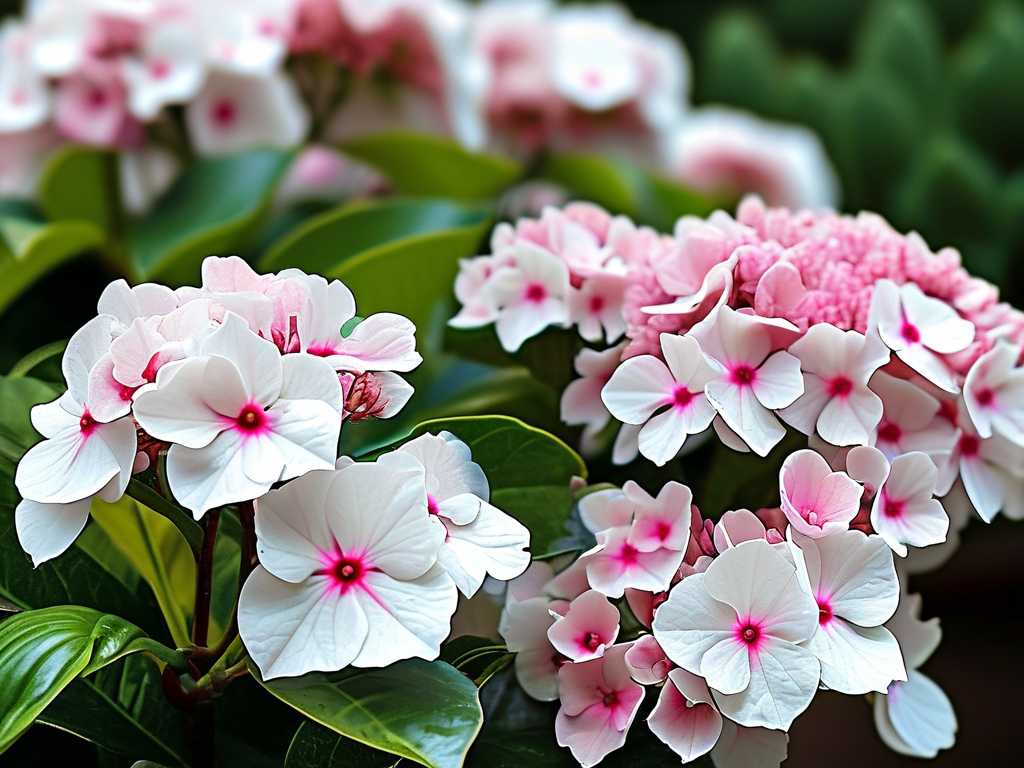
Before you even pick up a trowel, you need to know this: for most pink and blue hydrangeas (primarily Hydrangea macrophylla, or bigleaf), flower color is not fixed by genetics alone. It’s a direct response to soil chemistry, specifically the availability of aluminum. In acidic soil (low pH), aluminum is soluble and can be taken up by the plant, resulting in blue flowers. In alkaline soil (high pH), aluminum is locked up and unavailable, leading to pink flowers. This is a crucial piece of knowledge that changes everything about how you care for them.
White hydrangea types, like the classic Hydrangea arborescens ‘Annabelle’ or Hydrangea paniculata varieties, play by different rules. Their color is genetically set to white (or sometimes green-tinged) and is generally not influenced by soil pH. This fundamental difference dictates separate care pathways right from the start.
My Two-Week Soil Test Experiment: Knowledge is Power
I made the mistake of assuming my garden’s soil was uniform. One weekend, I decided to get scientific. I purchased a simple pH testing kit from my local garden center. I took samples from the bed where my ‘Nikko Blue’ hydrangea (which was looking suspiciously pinkish) was planted and from the area dedicated to my ‘Incrediball’ white hydrangeas.
The results were enlightening. The bed for the colored hydrangea tested at a pH of 7.2, which is slightly alkaline—explaining the pink tones. The white hydrangea bed was at a pH of 6.8, nearly neutral. This simple, two-week process of testing and understanding gave me a clear action plan. I didn’t need to change a thing for the whites, but I had work to do if I wanted to shift my ‘Nikko Blue’ back to its intended hue.
Caring for Pink Hydrangeas: Encouraging and Maintaining Vibrancy
If you desire clear, vibrant pink blooms, your goal is to raise the soil pH to 6.5 or above, making it more alkaline. This prevents aluminum uptake.
Amending the Soil: To encourage pink flowers, I incorporate garden lime into the soil. The key is moderation and patience. Following package instructions, I applied a light dusting around the drip line of the plant (not against the stem!) and gently worked it into the top layer of soil in early spring. I then watered it in thoroughly. The Royal Horticultural Society (RHS) advises that changes in flower color occur gradually, often over a full growing season, so don’t expect overnight miracles.
The Fertilizer Factor: Your choice of fertilizer is critical. For pink hydrangeas, I use a balanced, phosphorus-rich fertilizer. Phosphorus helps lock up aluminum in the soil, supporting the pink coloration. I avoid fertilizers high in potassium and labeled for “acid-loving plants,” as these can push the color toward blue.
My Maintenance Pitfall and Fix: One summer, I noticed the pink blooms on my ‘Endless Summer’ hydrangea were looking pale and weak. I had been diligent with lime but had neglected feeding. The plant was nutrient-starved. I applied a bloom-boosting fertilizer (with a higher middle number, like 10-30-10) and within two weeks, the new blooms that emerged were a significantly deeper, healthier pink. The lesson? Soil pH and nutrition must work in tandem.
Caring for Blue Hydrangeas: The Art of Lowering pH
Since my goal with my ‘Nikko Blue’ was to achieve a true blue, I needed to lower the soil pH, making it more acidic.
Using Soil Sulfur or Aluminum Sulfate: To blue a hydrangea, you need to acidify the soil. I’ve used both elemental sulfur (a slower, longer-lasting option) and aluminum sulfate (which works faster by directly adding aluminum). For a quick adjustment, I dissolve one tablespoon of aluminum sulfate per gallon of water and apply it to the soil every two weeks in spring, stopping once buds begin to form. A critical warning from the American Horticultural Society (AHS): Never apply aluminum sulfate as a foliar spray or in excessive amounts, as it can burn the roots. Always water the soil around the plant, not the leaves.
Acidic Mulching: A fantastic, slow-release method is to use an acidic organic mulch. I now swear by a thick layer of pine needles or shredded oak leaves around my blue hydrangeas. As they decompose, they gently acidify the soil. This method is less precise but excellent for long-term maintenance.
The Over-Acidification Mistake: In my zeal for the perfect blue, one year I overdid it with the aluminum sulfate. The leaves started to show yellowing between the veins (a sign of potential nutrient lock-up). I immediately flushed the soil with plain water to dilute the concentration and held off on any further amendments. The plant recovered, but it taught me that gentle, consistent adjustments are far safer than aggressive ones.
Caring for White Hydrangea Types: A Focus on Health and Structure
With white hydrangeas, you can forget the soil chemistry drama. Your mission is to grow a robust, healthy plant that supports those magnificent blooms.
Sunlight is Non-Negotiable: While many colored bigleaf hydrangeas prefer some afternoon shade, most white panicle (paniculata) and smooth (arborescens) hydrangeas thrive in full sun. My ‘Limelight’ hydrangeas get at least six hours of direct sun, which promotes stronger stems to hold up those heavy, cone-shaped white flower heads. Insufficient sun leads to floppy stems.
Pruning for Success: This is where I made my biggest early error. I pruned my ‘Annabelle’ hydrangea in the fall, just like I did my spent perennials. The next summer, I had very few blooms. Why? It blooms on new wood. I learned that for arborescens and paniculata types, the best practice is to prune in late winter or early spring, cutting stems back to a framework of strong buds. This encourages vigorous new growth that will flower that same year. The RHS confirms that correct pruning timing is essential for maximizing bloom on these varieties.
Support and Feeding: The large, heavy flower heads of white hydrangeas often need support. I use discreet grow-through rings installed in early spring. For fertilizer, I use a balanced, all-purpose granular fertilizer (like a 10-10-10) in early spring to support overall growth and those massive blooms.
A Side-by-Side Comparison: My Two-Week Observation Log
To really see the differences in action, I documented two newly planted hydrangeas over a critical two-week establishment period last spring.
- Plant A (Pink ‘Cityline Paris’): Planted in soil amended with lime. Watered with a phosphorus-rich solution once. By the end of two weeks, new leaf growth was strong and deep green. Existing flower buds maintained a bright pink hue.
- Plant B (White ‘Bobo’ Panicle): Planted in unamended, well-draining soil. Placed in a full-sun location. Fed with balanced fertilizer. Watered deeply. Observation showed faster vertical stem growth as it reached for the sun, and the developing flower buds were a distinct, clean lime-green, destined to turn white.
This hands-on comparison cemented the theories: one cared for through soil chemistry, the other through sunlight and structure.
Why are my white hydrangea flowers turning green or pink? This is completely normal and often a sign of the bloom aging. Many white hydrangeas, especially arborescens types, start pure white, age to a lovely green, and may develop pink tinges in the fall. It’s part of their seasonal charm and not a cause for concern or a sign of incorrect care.
Can I change an oakleaf or climbing hydrangea from white to pink? No. Species like Hydrangea quercifolia (oakleaf) and Hydrangea anomala (climbing) only produce white flowers. Their color is genetically fixed and will not change with soil pH adjustments. Save your lime and sulfur for the macrophylla (bigleaf) and serrata (mountain) types.
I applied aluminum sulfate but my hydrangea is still pink. What went wrong? First, patience. It can take a full year or more to see a complete color shift. Second, test your water. If your tap water is hard (alkaline), regular watering can be slowly counteracting your acidifying efforts. Try using rainwater to water the plant if possible. Finally, ensure the cultivar you have is actually capable of turning blue; some modern pinks are bred to stay pink regardless of soil conditions.
Whether you’re captivated by the chameleon-like nature of pink and blue hydrangeas or the stately elegance of the white types, success lies in understanding their unique needs. My journey from confused gardener to confident cultivator was paved with simple soil tests, patient adjustments, and learning to read the plants’ own signals. Forget generic advice. Tailor your care—nurture the soil for your pinks and blues, and champion sunlight and structure for your whites. When you do, you’re not just growing shrubs; you’re curating living art for your garden.