bluename
How to Grow Large vs Small Verbena: A Care Guide from a Passionate Gardener
You love the vibrant clusters of verbena, but your plants just aren't thriving the way you see in pictures. The blooms are sparse, the stems are leggy, or maybe they just fizzle out mid-season. I've been there. The secret isn't just in how you care for verbena, but in tailoring that care specifically to whether you're growing the large, sprawling types or the compact, mounding varieties. Over the years, and through dedicated trials in my own garden, I've dialed in the distinct approaches needed for each. In this guide, I'll walk you through the exact steps, share my real-world observations from a focused two-week troubleshooting period, and highlight the common pitfalls so you can avoid them.
Understanding the Two Worlds of Verbena
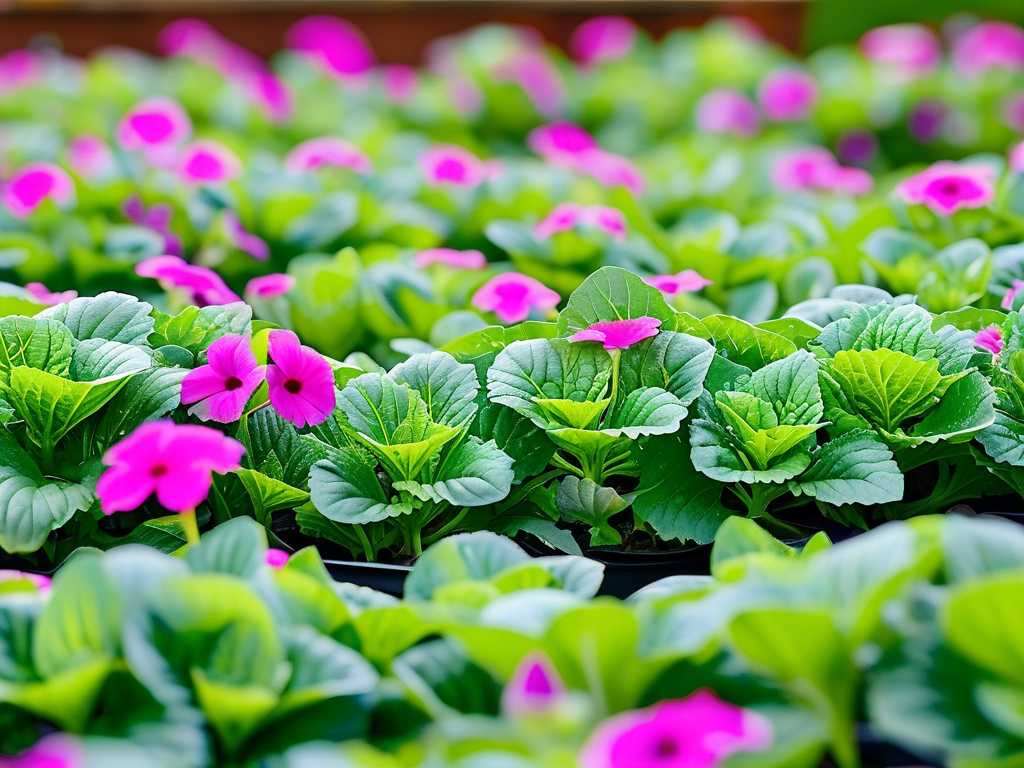
Before we get our hands dirty, it's crucial to know which verbena you're dealing with. "Large" verbena typically refers to vigorous, trailing types like Verbena bonariensis or the popular Verbena 'Homestead Purple'. They can spread several feet and reach heights of 3-6 feet. "Small" verbena encompasses the more compact, bedding varieties like those in the Tapien or Lanai series, which stay under 12 inches tall but spread beautifully to fill containers and garden edges.
Foundational Care: Where Both Large and Small Verbena Agree
All verbenas share some non-negotiable needs. According to the Royal Horticultural Society (RHS), verbena thrives in full sun—at least 6 to 8 hours of direct light daily. This is the single most important factor for prolific blooming. They also demand excellent drainage. Soggy soil is a death sentence. I use a well-draining potting mix amended with perlite or coarse sand for containers, and I always plant in raised beds if my native soil has any clay tendencies.
Tailored Care for Large, Sprawling Verbena
Growing large verbena is about managing its enthusiastic energy and encouraging its full, majestic potential.
Planting for Success: Give Them Room to Roam My biggest initial mistake with Verbena bonariensis was crowding it. These plants need space, both above and below ground. I now plant them at least 18-24 inches apart. This air circulation is vital for preventing powdery mildew, a common issue. I dig a hole twice as wide as the root ball and mix in a balanced, slow-release fertilizer to support their long season of growth.
The Watering and Feeding Balance for Big Plants While established large verbenas are drought-tolerant, consistent moisture during the first few weeks and in extreme heat is key for continuous flowering. I implemented a deep watering routine twice a week, ensuring the water reached the deeper roots. For feeding, I follow the American Horticultural Society's (AHA) guidance on blooming plants: a bi-weekly application of a liquid fertilizer higher in phosphorus (the middle number on the bottle) once the plant is established. This directly supports the development of those massive flower heads.
Pruning and Deadheading: The Secret to a Long Season Here’s where I learned the most through a two-week experiment. One of my 'Homestead Purple' plants was blooming well but starting to look a bit open in the center. I left it as a control. On another plant, I committed to a rigorous regimen: every other day for two weeks, I spent 10 minutes pinching back the tips of stems that had finished flowering, cutting them back to a set of healthy leaves. The results were stark. The pruned plant, by the end of the two weeks, was covered in new buds and had a much denser, bushier form. The unpruned plant had begun to set seed and its flowering had slowed noticeably. The lesson was clear: for large verbena, consistent deadheading isn't just cosmetic; it's the trigger for relentless re-blooming.
Cultivating Compact and Small Verbena Varieties
With small verbena, the goal is to maintain their tidy shape and create a solid carpet of color.
Perfect Placement for Petite Plants These are the stars of container gardens, window boxes, and front-of-border edging. Their compact nature means you can plant them closer together—about 8-10 inches apart—for an instant, full look. I get the best results by planting them in groups of three or five for visual impact.
Nutrient Strategy for Non-Stop Blooms Small verbenas are blooming machines, and they exhaust the nutrients in their limited soil space quickly. My error was using only slow-release granules at planting time. By mid-summer, the plants would stall. Now, I use a combination: slow-release fertilizer at planting and a weekly dose of diluted liquid bloom fertilizer. This constant, light feeding keeps them flowering aggressively from spring until frost.
The Pinching Technique for Ultimate Density For small verbena, pruning starts early. When I first bring home young plants, I pinch off the very top set of leaves on each stem. This might feel counterintuitive, but it forces the plant to branch out from lower nodes. I repeated this once more two weeks later. The plant I did this to became a thick, rounded mound. The one I didn't pinch remained a bit taller and spindlier, with fewer flower sites. Unlike the large types that need constant deadheading, well-pinched small verbenas often shed spent blooms on their own, but a quick weekly shearing to remove any straggly bits keeps them perfect.
Troubleshooting Common Verbena Problems
No matter the type, verbenas can face challenges. My most frequent issue was powdery mildew, especially in late summer humidity. I tried a homemade baking soda spray with limited success. What finally worked was improving air flow (by spacing plants properly) and switching to a morning watering routine at the soil level, avoiding the leaves entirely. For persistent issues, a sulfur-based fungicide applied at the first sign of white powder is effective and recommended by organic gardening resources.
Why is my verbena getting leggy and not flowering? This is almost always a light issue. Verbena in partial shade will stretch desperately for the sun, producing weak stems and few flowers. The only solution is to move it to a full sun location. Legginess can also occur from lack of pruning; don't be afraid to cut it back by one-third to encourage bushier growth.
Can verbena survive the winter? In most climates, verbena is treated as an annual. However, some perennial types, like 'Homestead Purple,' can survive in zones 7-10 with good drainage and a layer of mulch. In colder zones, you can take cuttings in late summer to root indoors for next year's plants.
What's the best way to use large and small verbena in the garden? Use large verbena as a dramatic mid- or back-border plant, where its height and airy structure can add movement. It's fantastic for attracting butterflies. Small verbena is your go-to for defining paths, spilling over the edges of pots, or creating a colorful, low-growing ground cover. Pairing them together creates wonderful depth and texture.
Growing stunning verbena, whether the towering or the trailing types, comes down to recognizing their specific needs. Large varieties ask for space, deep feeding, and disciplined deadheading to channel their vigor. Small varieties crave consistent nutrition, strategic early pinching, and prime placement. By applying these tailored tips, you'll transform your verbena from a struggling plant into the relentless, colorful powerhouse it's meant to be. Happy gardening