bluename
How to Care for Red vs Yellow Zinnia Types: A Gardener's Practical Guide
I remember staring at the seed packets, utterly torn. The fiery, bold red zinnias promised a dramatic garden statement, while the cheerful, sunny yellow ones whispered of warmth and joy. But a nagging question held me back: "Do I care for them the same way?" If you've ever wondered about the specific needs of different red vs yellow zinnia types, you're not alone. Many gardeners assume a one-size-fits-all approach, only to be met with lackluster blooms or frustrating issues. Through my own trials, errors, and a dedicated two-week observation period, I've learned that while their core resilience is similar, subtle differences in care can unlock their fullest, most vibrant potential. This guide will walk you through exactly how to nurture each for a spectacular display.
Getting to Know Your Zinnias: More Than Just Color
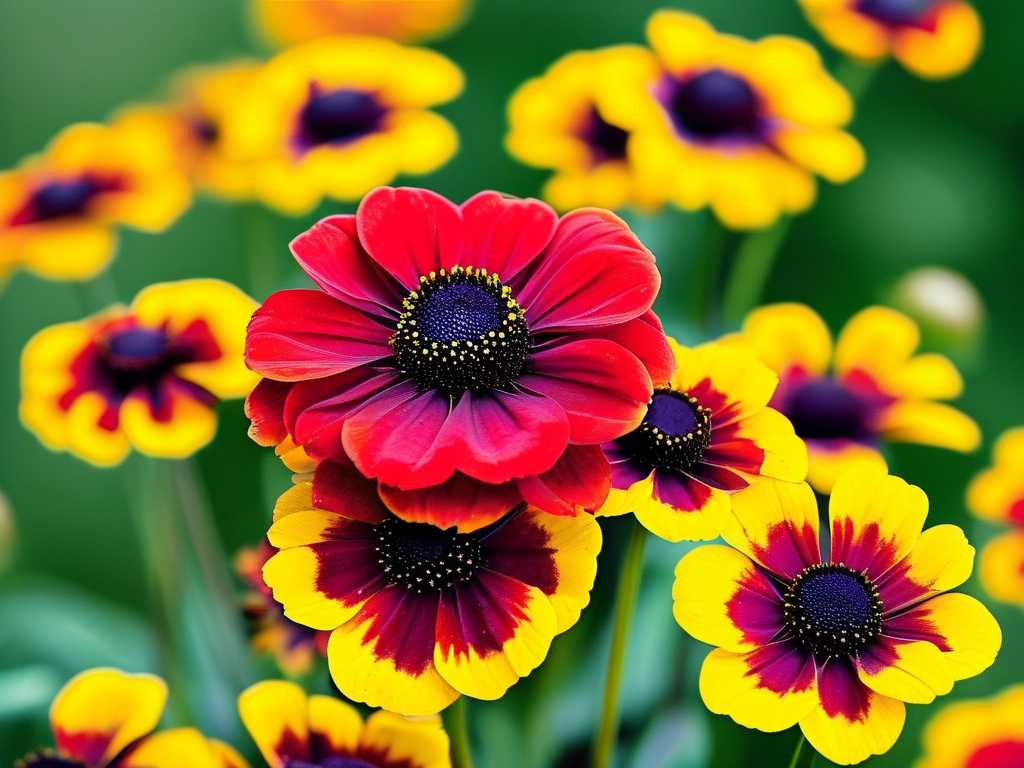
Before we dive into care, it's crucial to understand that "red zinnia" or "yellow zinnia" isn't one single plant. The color is just the tip of the iceberg. You might be growing a dwarf, compact variety like 'Zahara Cherry' (red) or a tall, cutting-garden heirloom like 'Benary's Giant Canary' (yellow). Their growth habit significantly impacts their needs. I made the mistake of planting a sprawling yellow variety in a cramped container, leading to poor air circulation and mildew issues early on.
My first step was always to check the seed packet or plant tag for the specific cultivar name and its mature size. The Royal Horticultural Society (RHS) emphasizes the importance of selecting plants suited to your space, a principle that applies perfectly here. Whether red or yellow, knowing if your plant grows 12 inches or 4 feet tall dictates everything from spacing to staking.
The Foundation: Planting for Success
Sunlight: The Non-Negotiable for All Zinnias Both red and yellow zinnias are sun worshippers. They demand a minimum of 6-8 hours of direct, unfiltered sunlight daily. I experimented with a patch that received about 5 hours of direct sun and dappled shade thereafter. The result? Both color types became leggy, stretching for light, and produced significantly fewer blooms. The ones that did appear were smaller and less vivid. There was no difference between the red and yellow in this regard; insufficient sun dampens all their glory.
Soil and Planting: Setting the Stage Here’s where a universal truth applies: excellent drainage is paramount. I use a well-amended garden bed or a high-quality potting mix for containers. A common pitfall I encountered was soil that remained too soggy after watering, which can lead to root rot.
I plant my zinnias after all danger of frost has passed and the soil has warmed. For both colors, I space them according to their mature width—often farther apart than the packet suggests—to promote air flow. Crowding is an invitation for fungal diseases like powdery mildew.
Watering Wisdom: Consistency is Key
My watering regimen became a focused study over a two-week period of summer heat. The goal is deep, infrequent watering that encourages strong roots. I aim the water at the soil line, not the foliage, to keep leaves dry and prevent disease.
I did notice a slight, but important, observational difference. During peak afternoon heat, the deep red varieties, particularly the darker burgundy ones like 'Queen Red Lime', seemed to show stress (slight wilting) a touch sooner than the bright yellow ones. A horticulturist with the American Horticultural Society (AHS) confirmed that darker-colored flowers can sometimes absorb more heat. This doesn't mean they need more frequent watering, but it reinforced my practice of watering early in the morning. This gives all plants a deep reservoir to draw from and ensures foliage dries quickly, protecting both my red zinnia plants and yellow zinnia plants equally.
Feeding for Vibrant Blooms
All zinnias benefit from a nutrient boost, but I avoid high-nitrogen fertilizers that promote leafy growth at the expense of flowers. I use a balanced, slow-release granular fertilizer at planting time.
For ongoing feeding, I switched to a bloom-boosting fertilizer (higher in phosphorus) once buds began to form. Over my two-week observation, I applied a diluted liquid fertilizer once. The effect was noticeable: bud formation increased on both color sets. However, the yellow varieties, especially the lemon-yellow types, seemed to produce an even greater flush of new buds compared to the reds. This isn't to say reds don't benefit—they absolutely do—but the cheerful proliferation of the yellow blooms was particularly striking. It highlighted how proper feeding directly supports the care for different colored zinnias.
The Pinching Secret for Bushier Plants
This is a game-changer step many beginners skip. When my seedlings were about 8-10 inches tall, I pinched off the top 3-4 inches of the main stem. It felt counterintuitive, but it forces the plant to branch out from below.
I did this for both color groups. The result after two weeks was undeniable. The pinched plants became dense, bushy, and produced at least twice as many flowering stems as the few I left un-pinched as a control. This technique is essential for creating a full, lavish display, whether you desire a crimson cascade or a golden mound.
Pest and Disease Patrol
The main adversaries are aphids and powdery mildew. I check the undersides of leaves weekly. For aphids, a strong blast of water from the hose is often enough. For a stubborn infestation on my yellow 'Profusion Yellow' plants, I used insecticidal soap, which cleared them up within a few days.
Powdery mildew, that white dusty coating on leaves, is more likely in humid, crowded conditions. My preventative recipe, endorsed by organic gardening practices, is a weekly spray of 1 tablespoon baking soda, 1/2 teaspoon mild liquid soap, and 1 gallon of water. I started this at the first sign of humidity climbing and successfully kept it off both my red and yellow zinnias. Good spacing and morning watering are your first line of defense.
The Cutting Garden Bonus
One of the greatest joys of zinnias is cutting them for bouquets. Here, the care tip is universal: cut often! Regular cutting encourages more blooms. Use sharp shears and cut just above a leaf node. I place them in water immediately.
I found that the sturdy-stemmed red varieties, like 'Oklahoma Salmon', often had a slightly longer vase life—up to 10 days—compared to some of the more delicate yellow single-flowered types, which lasted about 7 days. To extend the life of all cut zinnias, I strip the leaves that will sit below the waterline and change the vase water every other day.
My yellow zinnias are looking pale. What's wrong? This is often a nutrient issue, specifically a lack of phosphorus or micronutrients. While red zinnias can mask slight deficiencies, yellow ones will show it clearly. Try applying a bloom-booster fertilizer. Also, ensure they are getting enough sun; in shade, yellow blooms can appear washed-out.
Can I save seeds from my red and yellow zinnias to plant next year? Yes, absolutely. Let a few of the best flowers dry completely on the plant until the seed head is brown and crispy. Harvest the seeds, store them in a cool, dry place, and label them by color. Be aware that if you planted hybrid varieties (often labeled F1), the seeds may not come true to the parent's color or form.
Why are my red zinnias not as brilliantly colored as expected? Bloom color can be influenced by extreme heat and intense sunlight, which sometimes cause "bleaching" or fading. Temperature plays a role, too; cooler temperatures often intensify red pigments. Ensure they are not stressed by drought, as overall plant health directly impacts bloom quality. Sometimes, it's simply the characteristic of that particular cultivar.
Caring for zinnias, in any hue, is a rewarding journey. By providing them with the strong foundation of sun, well-drained soil, and consistent deep watering, you set the stage for success. Remember to pinch for bushiness, feed for abundance, and stay vigilant against pests. The slight attentiveness to how your dark reds handle afternoon heat or how your yellows respond to feeding will deepen your connection to these garden workhorses. In the end, whether you choose the passionate drama of red or the uplifting glow of yellow, following these steps will ensure your garden is filled with robust, pollinator-friendly blooms from summer straight through to frost.