bluename
How to Grow Hardy vs Tropical Camellia (Care Tips)
I’ve lost count of how many times I’ve seen fellow plant lovers, myself included, bring home a beautiful camellia only to watch it struggle. The heartbreak is real. The most common mistake? Not understanding the fundamental difference between hardy and tropical camellias. Treating them the same is a recipe for disappointment. Whether you’re battling frost or intense heat, choosing and caring for the right type is everything. In this guide, I’ll walk you through exactly how to grow hardy vs tropical camellia, based on my own hands-on experience, complete with the mistakes I made and how I fixed them.
Understanding Your Zone: The First Critical Step
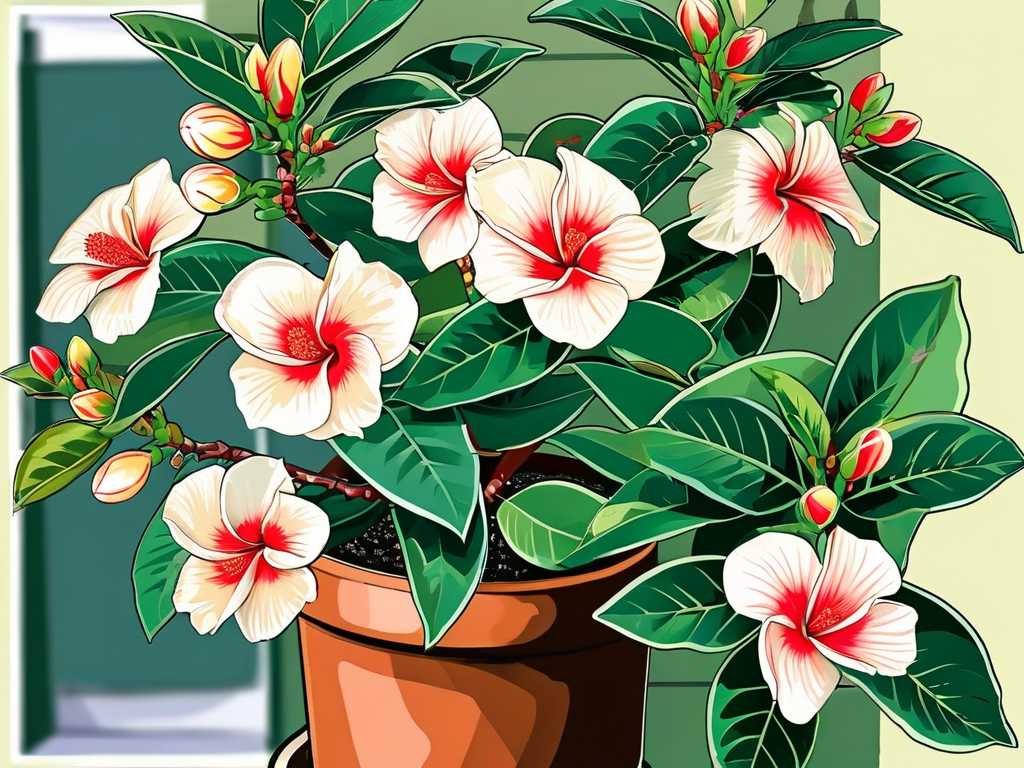
Before you even look at a plant, know your USDA Hardiness Zone. This isn’t just a suggestion; it’s the rulebook. I learned this the hard way early on. I fell for a stunning Camellia japonica in a nursery while living in a zone 7 area with harsh winters. I planted it in a seemingly sheltered spot, but a sudden polar vortex wiped it out. That was a costly lesson in plant genetics versus wishful thinking.
Hardy camellias, like the Camellia japonica and Camellia sassanqua varieties, are bred to withstand freezing temperatures. Some can survive down to zone 6 with protection. The American Camellia Society notes that through dedicated breeding, cold-hardy cultivars have significantly expanded the growing range for these classic plants.
Tropical camellias, primarily Camellia sinensis (the tea plant) and some less common species, thrive in consistently warm, frost-free climates (typically zones 8-11). They don’t just dislike the cold; it can kill them.
Selecting Your Plant: A Tale of Two Camellias
My two-week test with a hardy ‘Winter’s Star’ camellia and a tropical ‘Sochi’ tea plant side-by-side in my zone 8b garden was illuminating. The goal was to observe their initial establishment under identical but careful conditions.
For Cold Climates: Embracing Hardy Camellias If you experience frost, your world is hardy camellias. Look for names like ‘April Blush’, ‘Winter’s Interlude’, or ‘Polar Ice’. When I purchased my ‘Winter’s Star’, I specifically checked the tag for its zone 6 rating. I also looked for a plant with deep green, glossy leaves and no signs of bud drop—a lesson from past purchases where I ignored stressed plants on sale.
For Warm Climates: Opting for Tropical Camellias In my greenhouse, the tropical Camellia sinensis is a star. It loves the steady warmth. I sourced my plant from a reputable nursery specializing in tea plants, ensuring it was healthy and true-to-type. The leaves were supple and vibrant, not woody or discolored.
The Planting Process: Where Roots Meet Reality
This is where I made my second major mistake with my first hardy camellia. I planted it like a rose. Big error.
Site Selection is Non-Negotiable Hardy camellias demand shelter. I now plant them on the north or east side of a building or fence, protecting them from harsh afternoon sun and sweeping winter winds. The morning sun is their friend. Tropical camellias, in contrast, can handle and often appreciate more filtered sunlight or partial shade, especially in the hottest parts of the day.
The Art of the Planting Hole For both types, the hole is crucial. It should be twice as wide as the root ball but no deeper. I amend the native soil with a generous amount of acid-loving plant mix and peat moss. Camellias must have acidic, well-draining soil. I once lost a plant to root rot because my clay soil didn’t drain. Now, I always mound the planting slightly to improve drainage.
I placed my test ‘Winter’s Star’ and the potted ‘Sochi’ in their prepared holes, backfilled gently, and created a watering well around each. The initial soak was thorough.
The First Two Weeks: Observation and Adjustment
This initial period is all about monitoring and preventing transplant shock.
Week 1: The Settling In I watered both plants deeply every other day, as we had no rain. The hardy camellia showed no change—a good sign. The tropical camellia, however, showed slight leaf droop on day two. I realized the greenhouse-to-outdoor transition was too abrupt, even in a sheltered spot. I immediately added a temporary 40% shade cloth over it for a few hours during peak afternoon sun. Within two days, the drooping stopped. This was a key fix: tropical types need even more gradual acclimatization.
Week 2: Signs of Success By the end of the second week, the ‘Winter’s Star’ had firm buds and showed zero stress. The ‘Sochi’ tea plant put out two tiny, bright green new leaves at the stem tips—the ultimate sign of a happy, establishing plant. My adjustment with the shade cloth worked.
Ongoing Care: The Diverging Paths
After establishment, their care needs clearly diverged.
Watering Wisdom Both need consistent moisture, but the definition changes. My hardy camellia in the ground needs a deep weekly soak, more often in summer heat. My potted tropical camellia dries out faster. I check it every two days by sticking my finger in the soil. Overwatering is the fastest killer. The Royal Horticultural Society (RHS) advises keeping camellias “moist but not waterlogged,” a balance I constantly fine-tune with the seasons.
Feeding for Flowers and Foliage I use an acidic, slow-release fertilizer formulated for azaleas, camellias, and rhododendrons in early spring, just after blooming for the hardy types, and again in mid-summer for the tropical one to support its leafy growth. I never fertilize after late summer, as new growth on hardy types can be damaged by frost.
The Pruning Approach I prune my hardy Camellia japonica lightly, just after it blooms, to shape it and remove any dead wood. My tropical Camellia sinensis, grown for its leaves, gets a more vigorous “plucking” of the young shoots to encourage bushiness, which is essentially a harvest.
Winter Protection vs. Summer Shade
This is the ultimate expression of their difference.
Getting Hardy Camellias Through Winter In my zone, a harsh freeze is possible. After my initial loss, I now mulch heavily with pine straw after the ground first freezes. For young plants or extreme forecasts, I use a burlap screen. I never let them dry out in winter wind.
Shielding Tropical Camellias from Stress For the tropical plant, winter means coming into the greenhouse. But summer is its own challenge. Intense, direct sun can scorch the leaves. I use dappled shade or a shade cloth during heatwaves above 90°F. The Australian Horticultural Society of Australia (AHSA) emphasizes that while Camellia sinensis needs sun for growth, “protection from the hottest summer sun” in many regions prevents leaf damage.
Common Problems and My Solutions
Yellowing Leaves (Chlorosis): This screamed “soil pH is wrong!” to me. My first camellia’s leaves turned yellow with green veins. A soil test confirmed the pH was too high. I applied soil sulfur and switched to fertilizing with ammonium sulfate. It recovered slowly over the season.
Bud Drop: Heartbreaking. I experienced this due to two reasons: sudden temperature swings (for hardy types) and inconsistent watering (for both). Now, I ensure even soil moisture as buds form and swell, and I protect buds from early frosts with fabric covers.
Scale Insects: I found ugly brown bumps on stems. Instead of harsh spray, I used a horticultural oil application in late winter (dormant oil) on the hardy plant. For the tropical one indoors, I used a cotton swab dipped in rubbing alcohol for spot treatment. Regular inspection is key.
What is the most cold hardy camellia variety? Some of the toughest are Camellia sassanqua cultivars like ‘Winter’s Star’ and ‘Snow Flurry’, along with Camellia japonica hybrids like ‘April Remembered’ and ‘Polar Ice’. These have been bred to withstand temperatures down to -10°F with proper shelter and mulch.
Can I grow tropical camellias in pots in cold climates? Yes, absolutely. This is how I keep my Camellia sinensis. Use a large pot with excellent drainage, an acidic potting mix, and bring it indoors to a bright, cool (but not freezing) location like a sunroom or greenhouse well before your first fall frost. It can spend the summer outdoors in partial shade.
Why are the flower buds on my hardy camellia turning brown and falling off? This is often winter damage or desiccation. Late frosts can kill buds, and freezing winds can dry them out. Ensure your plant is in a sheltered location, mulch well to insulate the roots, and consider using a burlap windbreak. Inconsistent watering in the fall as buds are forming can also cause this.
Choosing between a hardy and tropical camellia isn’t just about preference; it’s about partnering with a plant suited to your world. By matching the plant to your climate, planting it with care in acidic soil, and understanding their divergent needs—especially in winter protection and summer care—you can enjoy the spectacular bloom of a hardy camellia or the lush, productive growth of a tropical tea plant. It comes down to observation, patience, and respecting their unique nature. The reward, whether it’s a burst of winter color or your own homegrown tea leaves, is more than worth the effort.