bluename
How to Grow Large vs Small Rudbeckia Types (Care Tips)
I've always been fascinated by the cheerful, sun-loving faces of Rudbeckia, but for years, I struggled. My towering 'Herbstsonne' would flop over after a summer storm, while my petite 'Becky' series seemed to vanish in the border. I wanted that perfect mix of dramatic height and reliable, colorful ground cover. The core challenge, I realized, was treating all Rudbeckia the same. Growing the large types versus the small varieties requires distinct strategies. After a season of dedicated trials, careful observation, and learning from my mistakes, I've dialed in a system that works. Let me walk you through the precise care tips for both, so you can enjoy a spectacular display from these native beauties.
Understanding the Two Worlds of Rudbeckia
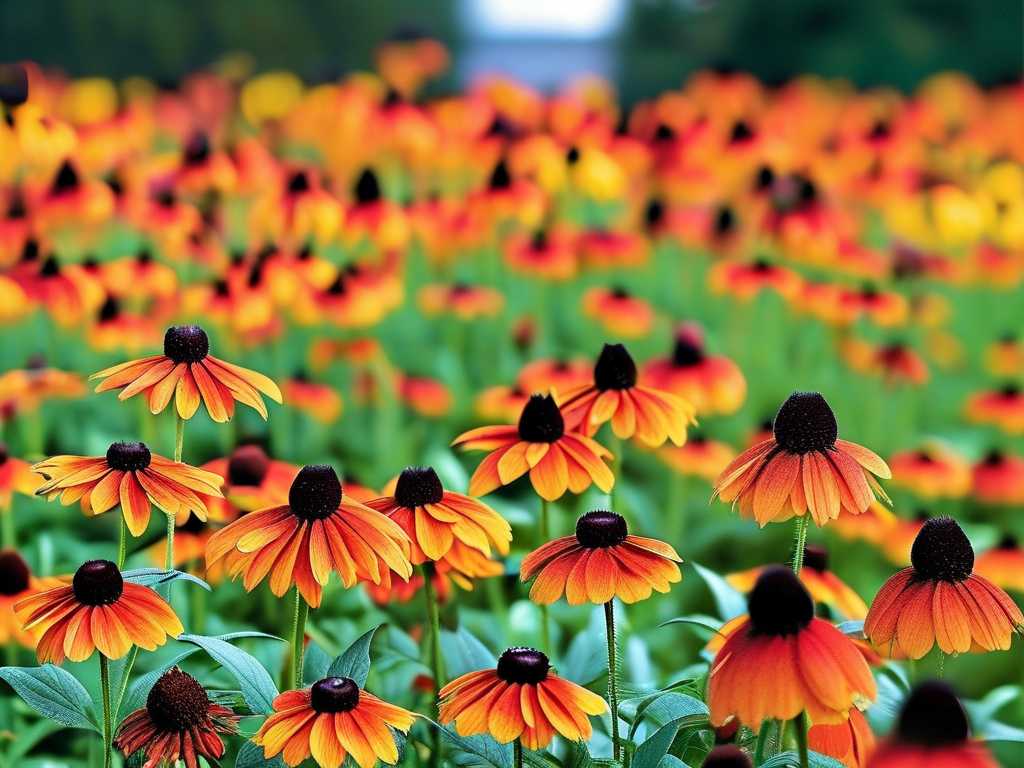
Before we get our hands dirty, it's crucial to know what you're planting. Large Rudbeckia types, like the classic Rudbeckia laciniata (Cutleaf Coneflower) or the statuesque Rudbeckia maxima (Great Coneflower), are giants. They can soar from 4 to 9 feet tall, with substantial foliage. Small types, such as the ever-popular Rudbeckia fulgida (like 'Goldsturm') or the compact Rudbeckia hirta cultivars, typically stay between 1 to 3 feet, forming dense, mounding clumps.
The Royal Horticultural Society (RHS) notes that while all Rudbeckias share a love for sun, their cultural needs diverge significantly based on their ultimate size and growth habit. Treating a giant like a dwarf is a recipe for disappointment, and vice-versa.
Site Selection and Soil: Laying the Foundation
For Large Rudbeckia Types: Think Deep and Sheltered
My first major mistake with my 'Herbstsonne' was planting it in a windy, open corner with average soil. It never stood a chance. Large Rudbeckias need a foundation that matches their ambition.
- Sun: Full sun is non-negotiable—at least 6 to 8 hours. Less leads to weak, leggy growth and poor flowering.
- Soil: They thrive in rich, moisture-retentive soil that is also well-draining. I amended my planting bed with a generous 4-inch layer of well-rotted compost and a bit of garden loam to improve moisture retention. The American Horticultural Society (AHS) emphasizes that deep, fertile soil supports the extensive root system needed to anchor these tall plants.
- Space and Shelter: Give them room! Space large varieties at least 2 to 3 feet apart. I now plant mine near a fence or behind sturdy mid-height perennials like Joe-Pye weed to provide a windbreak. This simple change prevented the heartbreak of seeing them flattened.
For Small Rudbeckia Types: Think Tough and Well-Drained
My 'Goldsturm' initially suffered from crown rot because I treated it too tenderly. Small Rudbeckias are tougher than you think.
- Sun: Again, full sun is best for maximum blooms and compact form.
- Soil: Here's the key difference. They excel in average to poor, well-drained soil. Good drainage is critical to prevent rot in winter. I lost a few plants by putting them in my rich, moist perennial border. Now, I plant them in my sun-baked front bed with native soil that I've only lightly amended with a handful of grit for drainage. They are incredibly drought-tolerant once established.
- Spacing: Plant them 12 to 18 inches apart. They will form a beautiful, weed-suppressing clump over time.
Planting and Initial Care: Getting It Right from the Start
I start most of my Rudbeckias from potted nursery plants in early spring or early fall. For large types, I dig a hole twice as wide and just as deep as the root ball. I mix in compost, place the plant so the crown is level with the soil surface, backfill, and water deeply. For small types, the hole is the same width but I ensure the crown sits slightly higher (about a half-inch) than the surrounding soil to aid drainage. I then mulch lightly with gravel or fine bark, keeping it away from the crown.
The First Two Weeks: Critical Observations
This initial period sets the tone. I watered both types every other day for the first week if there was no rain, ensuring the root zone was moist but not soggy. For the large Rudbeckias, I also installed thin, green bamboo stakes at planting time. This was a lesson learned the hard way; staking after they flop damages roots and looks unnatural. Tying them loosely as they grow provides invisible support.
By the end of the two-week period, my small 'Becky' plants showed no signs of wilt and began putting out new leaves, confirming they liked their well-drained spot. My large 'Maxima' plants stood upright and firm, their leaves a healthy green. The contrast to my previous, failed attempts was stark.
Ongoing Care: Watering, Feeding, and the Big Chop
Watering Wisdom
- Large Types: These are moderate drinkers. I provide about 1 inch of water per week during dry spells. Deep, infrequent watering encourages deep roots, which is essential for stability.
- Small Types: I water them thoroughly at planting and then largely leave them alone. Once established, they are remarkably drought-tolerant. I only water my 'Goldsturm' during periods of extreme drought lasting more than two weeks. Overwatering is the enemy.
The Fertilizer Divide
This is where I made another critical error. I used to feed everything with the same balanced fertilizer.
- Large Types: They benefit from a boost. In early spring, I side-dress the clumps with compost or use a balanced, slow-release organic fertilizer. This fuels their massive growth and flower production.
- Small Types: Do not fertilize them. Seriously. As the RHS advises, feeding small, clump-forming Rudbeckias leads to floppy growth, fewer flowers, and can decrease their hardiness. They are adapted to thrive in lean conditions.
Pruning and Deadheading for Continuous Blooms
For all Rudbeckias, deadheading (removing spent flowers) encourages more blooms. For small types like 'Goldsturm', I use my fingers or snips to cut back to the next set of leaves. It's a quick weekly task in high summer.
For large types, I employ the "Chelsea Chop." Around late May (here in my zone 6b garden), I cut back about one-third of the stems by half. This delays flowering on those stems, staggering the bloom time and creating a bushier, sturdier plant that is less prone to flopping. The unchomped stems flower at the normal time, giving me a much longer display.
Pest and Disease Patrol
The main issue I've encountered is powdery mildew, especially on large types with dense foliage. My solution is three-fold: 1) I ensure proper spacing for air circulation, 2) I water at the base, not the leaves, and 3) as a preventative, I spray with a diluted milk solution (1 part milk to 9 parts water) every 10-14 days during humid weather. It works surprisingly well. Slugs can nibble young seedlings, but a sprinkle of diatomaceous earth around new plants solves that.
Winter Preparation and Division
Large Types: After frost blackens the foliage, I cut stems back to about 6 inches. I leave these stubs and the plant's crown intact over winter. For marginally hardy giants, I mulch heavily with straw or leaves after the ground freezes to prevent heaving. Small Types: I do not cut them back in fall. The University of Maryland Extension recommends leaving the dead foliage and seed heads on small Rudbeckias like 'Goldsturm' over winter. This provides protection for the crown and vital food for birds. I wait until early spring to cut them back to the ground.
Division is key to longevity, especially for small clump-formers. Every 3-4 years in early spring, I dig up the congested clump of 'Goldsturm', use a sharp spade to chop it into several pieces (each with roots and shoots), and replant. This revitalizes them instantly. Large types are slower to establish and may not need division for many years.
Will Rudbeckia grow in partial shade? While they tolerate light shade, bloom count and plant sturdiness will significantly decrease, especially for large types. For the best results, full sun is essential.
Why are my tall Rudbeckias falling over? This is almost always due to one of three reasons: insufficient sun (causing weak growth), overly rich soil/too much fertilizer (causing soft, rapid growth), or lack of support. Ensure full sun, go easy on the feed, and stake early.
Are Rudbeckia and Black-Eyed Susan the same thing? "Black-Eyed Susan" is a common name that can refer to several species. Typically, it's used for the smaller, classic Rudbeckia hirta (often an annual or short-lived perennial) and the perennial Rudbeckia fulgida (like 'Goldsturm'). Larger species like Rudbeckia laciniata are usually called Coneflowers. So, all Black-Eyed Susans are Rudbeckias, but not all Rudbeckias are the classic Black-Eyed Susan.
Growing magnificent Rudbeckias, from sky-scraping giants to resilient ground-huggers, is all about understanding their language. Stop treating them as a single plant. Give the large ones rich soil, ample moisture, and proactive support. Give the small ones lean, well-drained soil and benign neglect. Pay attention to these distinct care tips, and you'll be rewarded with a low-maintenance, high-impact garden full of golden sunshine from midsummer straight into fall. The butterflies and bees will thank you, too.