 bluename
 How to Grow Dwarf vs Standard Sunflower: A Gardener’s Care Guide for Every Space
Ever found yourself scrolling through stunning garden photos, dreaming of those towering, cheerful sunflowers, only to look at your petite balcony or small backyard and sigh? I’ve been there. The desire for that iconic burst of summer gold often clashes with spatial reality. That’s exactly why I decided to run a side-by-side growing experiment with dwarf and standard sunflowers. Over a full season, I documented every step, the triumphs, the mishaps, and the surprising lessons learned. Whether you’re working with acres or a few square feet on a patio, understanding the distinct care for dwarf versus standard sunflowers is the key to success.
My journey wasn't just about planting seeds; it was a two-week intensive observation period post-germination that set the stage for everything. I chose ‘Sunspot’ for the dwarf variety and the classic ‘Mammoth Russian’ for the standard. What followed was a masterclass in tailored plant care.
Understanding Your Sunflower Choices: It’s More Than Just Height
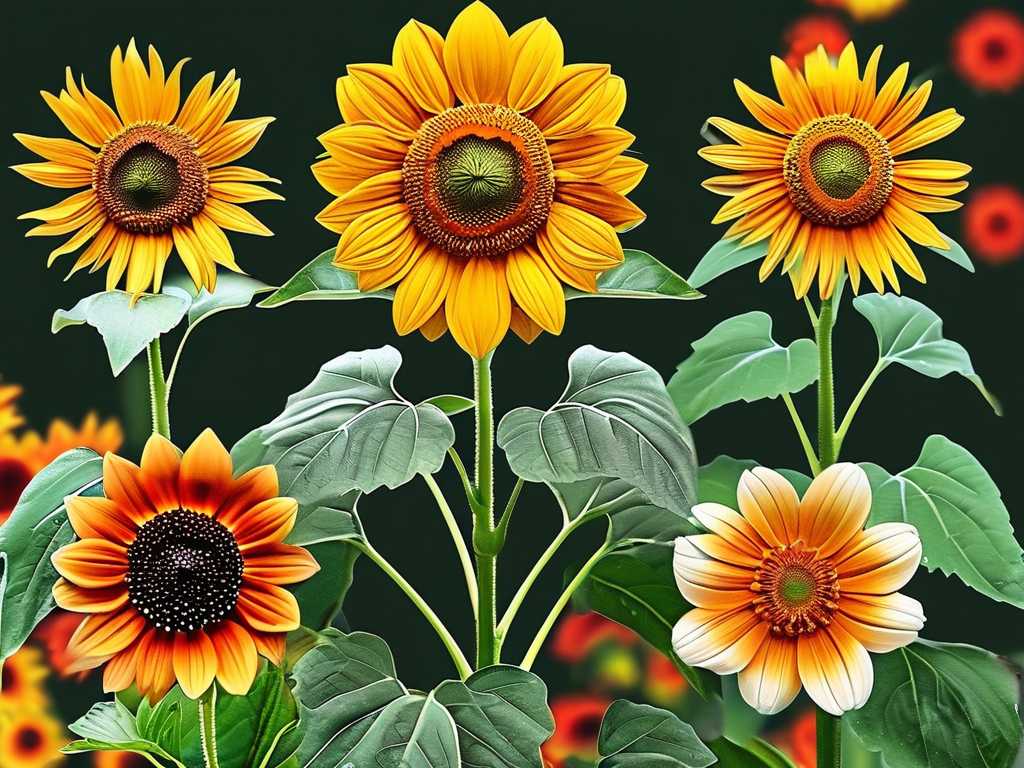
The fundamental difference between dwarf and standard sunflowers isn't just the final height. It's a whole different growth philosophy, root structure, and support requirement. Dwarf varieties, typically maturing between 12 to 36 inches, are bred for compact growth and often produce multiple blooms per plant. Standards, like the ‘Mammoth’, are single-stemmed giants that can soar over 12 feet, focusing their energy on one massive, seed-producing head.
According to the Royal Horticultural Society (RHS), selecting the right cultivar for your space is the first critical step in sustainable gardening. They emphasize that dwarf types are excellent for container culture, while standard types require deep, fertile ground to anchor their impressive height. This isn't just a suggestion—it’s a core principle I learned the hard way.
The Foundation: Planting and Initial Care for Both Types
My process started with quality seeds and the right mindset. I began both types indoors in biodegradable pots about 4 weeks before the last frost date. This head start is crucial, especially for standard sunflowers, to ensure a long enough growing season in cooler climates.
- Seed Starting: I planted seeds 1 inch deep in a high-quality seed-starting mix. Consistent moisture and warmth (around 70°F) are vital. Both types germinated in about 7-10 days. Here’s my first care tip: use a heat mat. It sped up germination by nearly 3 days compared to seeds without one.
- The Critical Two-Week Observation: Once the seedlings sprouted, I began my detailed two-week log. Dwarf sunflower seedlings were sturdier and bushier from the start. The ‘Mammoth’ seedlings, however, grew rapidly in height but were noticeably more slender and leggy, even with a grow light placed inches away. This was my first clue that support would be non-negotiable for the standards.
- The First “Gotcha” – Damping Off: During week one of observation, I noticed a couple of dwarf seedlings wilting at the base. I had made the classic error of overwatering and poor air circulation. The fix was immediate: I reduced watering, added a small fan to gently circulate air, and dusted the soil surface with a thin layer of cinnamon (a natural antifungal). It saved the remaining seedlings. This experience directly ties into the American Horticultural Society’s (AHS) advice on preventing seedling diseases through proper air flow and avoiding waterlogged soil.
Transplanting and Spatial Strategy: Where Care Diverges
This is where the care for dwarf versus standard sunflowers splits dramatically.
Growing Dwarf Sunflowers Successfully
My dwarf ‘Sunspot’ plants were destined for containers. After hardening off, I transplanted them into 5-gallon pots.
- Container and Soil: Deep pots are better than wide ones for sunflowers’ taproots. I used a mix of potting soil, compost, and a handful of perlite for drainage. The RHS confirms that container-grown sunflowers need exceptionally well-draining medium to prevent root rot.
- Sun and Water: Full sun is non-negotiable—at least 6-8 hours. I watered when the top inch of soil felt dry. In pots, they dry out faster, so check daily in summer heat.
- Feeding: I used a balanced, water-soluble fertilizer every two weeks. The result? Bushy, multi-branched plants laden with 4-inch blooms. They were perfectly happy and never needed staking.
Caring for Standard Sunflower Plants
The ‘Mammoth’ seedlings were transplanted into a prepared garden bed with deeply loosened, compost-rich soil.
- Spacing is Everything: I gave them a full 24 inches of space in all directions. My initial mistake was crowding them at 18 inches; competition for light made them stretch even more, weakening the stems. I had to carefully transplant two to a new location—a stressful process that set them back a week.
- The Support Imperative: By the time they were 3 feet tall, I installed 6-foot stakes, tying the stems loosely with soft garden twine. As they grew past that, I upgraded to 8-foot bamboo poles. Without this, even a gentle summer storm would have flattened them. This proactive support is the single most important care tip for giant sunflowers.
- Watering Deeply: Standard sunflowers develop extensive root systems. I practiced deep, infrequent watering, soaking the soil to encourage roots to grow downward in search of moisture, which in turn stabilizes the plant. A soaker hose placed at the base was ideal.
Ongoing Maintenance: Pest Patrol and Bloom Boost
Both types faced similar pests but on different scales.
- Aphids: They loved the tender buds of both varieties. My solution was a strong blast of water from the hose every morning for three days, which effectively knocked the populations back without chemicals.
- Birds and Squirrels: This was a battle for the standard sunflowers. As the seeds developed, I had to protect the flower head. I tried netting, but it snagged. What finally worked was securing a lightweight, breathable mesh bag (like organza) over the head once the petals began to drop. For the dwarf varieties, the smaller seed heads weren’t as big a target, but I still bagged a few for saving seeds.
Harvesting the Rewards: Seeds and Satisfaction
Dwarf sunflowers provided continuous cuts for vases all season. For the standard ‘Mammoth’, the harvest was about the seeds. I let the head dry completely on the stalk, then cut it, rubbed the seeds loose, and dried them further before storage. The yield was astounding—enough seeds to share and replant next year.
Questions I Get Asked All the Time
Can I grow standard sunflowers in a large container? You can try with a truly massive container (like a half whiskey barrel), but it’s a challenge. The plant will likely be stunted and more prone to blowing over. For true giant form, in-ground planting is best. Dwarf varieties are the reliable choice for container gardening with sunflowers.
Do dwarf sunflowers produce edible seeds? Yes, they do! However, the seeds are much smaller than those from giant varieties. They are perfect for snacking or feeding birds, but if you’re looking for large, plump seeds for roasting, standard types are your best bet.
Why are my sunflower seedlings so tall and thin (leggy)? This is almost always due to insufficient light. They are stretching desperately to find more. Whether indoors or out, ensure they receive direct, strong light for the majority of the day. Rotate pots regularly if the light source is directional.
Choosing between dwarf and standard sunflowers isn’t about which is better, but which is better for you and your space. My season-long experiment taught me that dwarf sunflowers offer effortless, space-smart joy with prolific blooms, while standard sunflowers deliver the awe-inspiring, garden-centerpiece experience with a little more groundwork and vigilance. Both respond profoundly to specific care—proper support for the giants, consistent moisture for the container-bound dwarfs. By matching the plant to your conditions and following these tailored steps, you’re guaranteed a summer filled with radiant, sunny faces, no matter the size of your garden.





