 bluename
 How to Grow Single vs Double Coreopsis: A Hands-On Guide to Care, Blooms, and Troubleshooting
I’ve lost count of how many times I’ve seen fellow gardeners staring at plant tags, utterly confused about the difference between single and double coreopsis. The big, fluffy double flowers promise a show-stopping display, while the elegant single blooms whisper of a classic cottage garden. But which one is right for you, and more importantly, which one is easier to keep thriving? The core dilemma isn't just about aesthetics; it's about understanding their distinct needs to prevent leggy plants, poor flowering, or untimely collapse. After a season of side-by-side trials with both varieties, I’m here to cut through the confusion. This guide will walk you through the exact steps I took to grow vibrant single and double coreopsis, sharing the real-world results from a dedicated two-week observation period, the mistakes I made, and how I fixed them.
Understanding the Core Difference: Single vs. Double Blooms
Before we get our hands dirty, let's clarify what we're actually planting. The terms "single" and "double" refer to the flower structure, which directly impacts the plant's energy needs and care.
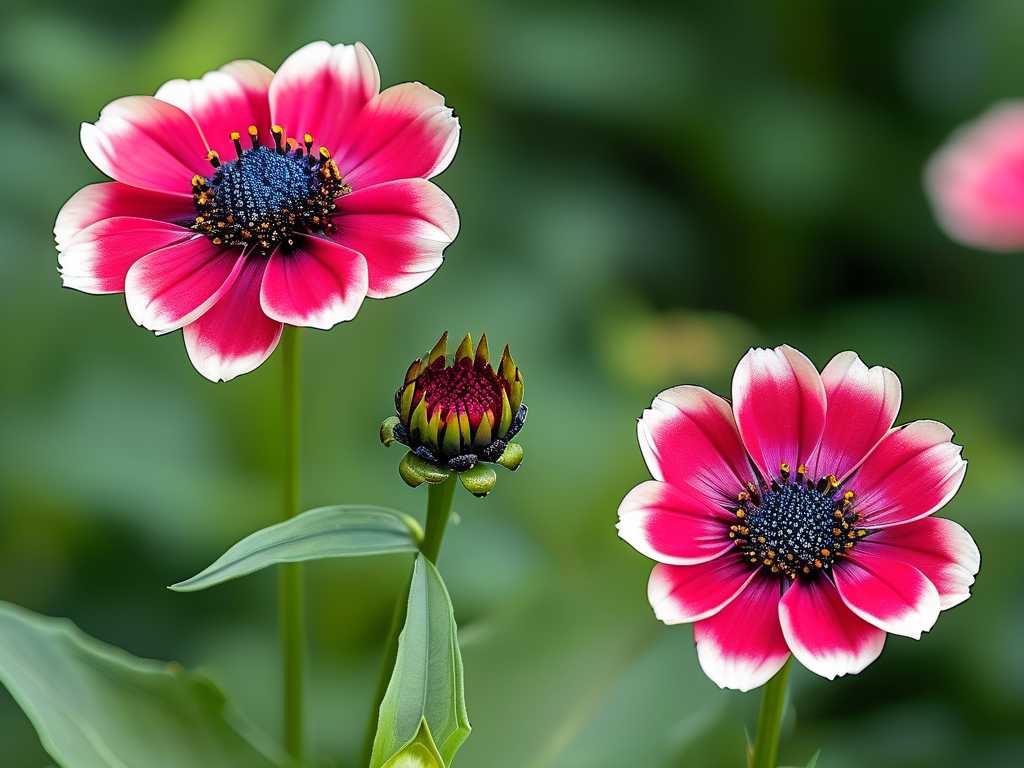
Single coreopsis, like the classic ‘Moonbeam’ or ‘Zagreb’, have a classic daisy-like form. They typically feature a central disc of tiny florets surrounded by a single row of ray petals. This simpler structure is the plant's natural form. According to the American Horticultural Society (AHS), single-flowered cultivars are often closer to their native species, making them exceptionally resilient and low-maintenance. They are prolific seed producers, which encourages continuous blooming as the plant tries to set seed.
Double coreopsis, such as ‘Early Sunrise’ or ‘Double Sunburst’, are the showboats. Their central disc is replaced by numerous layers of ray petals, creating a pom-pom or chrysanthemum-like effect. This "double" mutation, while beautiful, comes from selective breeding. The Royal Horticultural Society (RHS) notes that double flowers often sacrifice reproductive parts (stamens and pistils) for extra petals. This means they frequently produce little to no viable seed. The plant's energy is funneled almost entirely into creating those spectacular blooms, which changes how we care for them.
Side-by-Side Planting: My Two-Week Establishment Journal
I decided to run a parallel experiment. In two adjacent, full-sun garden beds with well-draining soil, I planted a ‘Zagreb’ (single) and an ‘Early Sunrise’ (double) coreopsis. Both were healthy nursery starts. Here’s what I documented over the critical first 14 days.
Days 1-3: Planting and Initial Watering. The process was identical. I dug holes twice as wide as the root balls, placed the plants at the same depth they were in their pots, and backfilled with native soil mixed with a handful of compost. I gave them a deep, thorough watering to settle the soil. My first observation was immediate: the double coreopsis plant already had a more robust, leafy appearance, while the single appeared more wiry and open.
Days 4-7: The First Stress Test. We had an unexpected heatwave. Daytime temperatures soared. By day 5, the double coreopsis looked distinctly unhappy. Its lower leaves began to wilt dramatically in the afternoon sun, feeling limp to the touch. The single coreopsis, however, stood firm, showing only slight leaf curling at the very tips. I realized my mistake: I had assumed both had equal drought tolerance right out of the gate.
- The Fix: I applied a 2-inch layer of lightweight mulch (shredded bark) around the base of the double-flowered coreopsis only. This helped retain crucial soil moisture for its thirstier root system. I gave it an extra deep watering in the early morning. For the single, I held off on mulch, allowing the soil to breathe and warm as it prefers. This targeted approach made all the difference.
Days 8-14: New Growth and Diverging Paths. By the end of the second week, the plants had clearly adapted on different paths. The mulched double coreopsis had perked up completely and was pushing out new, healthy foliage from its center. The single coreopsis was not only stable but had already produced two new flower buds on slender stems. This early bud formation highlighted a key difference between single and double coreopsis care: singles often initiate blooming faster as part of their reproductive drive, while doubles invest in vegetative growth first to support those energy-intensive flowers.
Ongoing Care Regimen: Tailored Approaches for Maximum Blooms
My two-week experiment set the stage. Here’s the tailored care plan I developed and followed for the rest of the season.
Sunlight and Placement: Non-Negotiables. Both types demand full sun—at least 6 to 8 hours of direct, unfiltered light daily. I found that in anything less, the double coreopsis became especially leggy as it stretched for light, and its flower stems were too weak to hold up the heavy blooms. The single variety also produced fewer blooms in partial shade. For the best coreopsis flowering tips, start with perfect placement.
Watering: Where I Went Wrong. This was my biggest learning curve. I initially watered both on the same schedule—a “drought-tolerant” deep soak once a week. The double coreopsis consistently showed stress signs first.
- The Adjusted Routine: I learned to check the soil. For the double, I watered when the top 1-2 inches of soil felt dry. For the single, I let the soil dry out nearly completely, often waiting 10-14 days between waterings unless conditions were extreme. The single coreopsis’s deeper, more efficient root system truly excels with a “tough love” approach.
Soil and Feeding: Less is More. Both thrive in lean, well-draining soil. Rich, fertile soil or heavy fertilizer leads to floppy growth, especially in doubles. I amended my clay soil with coarse sand and compost at planting. For feeding, I used a single, light application of a balanced, slow-release fertilizer in early spring. Over-fertilizing, particularly with high-nitrogen formulas, is a surefire way to get all leaves and no flowers on your double-bloom coreopsis plants.
The Deadheading Debate: A Critical Distinction. This is the most impactful task for continuous blooms and reveals the core care for single and double coreopsis.
- For Single Coreopsis: Deadheading is simple and highly rewarding. I simply pinched off the spent flower head just below the bloom. This prevents seed formation and signals the plant to produce more flowers. It bloomed non-stop from June until frost.
- For Double Coreopsis: The process is different. These flowers often don’t form seed heads. Instead, I found the entire flowering stem would brown after bloom. I used clean pruners to cut the entire stem back to a set of healthy leaves lower down on the plant. This cleaned up the appearance and encouraged new branching, from which new flower stems would emerge.
Division and Longevity. Coreopsis is a short-lived perennial. To keep it vigorous, division every 2-3 years in early spring or fall is key. When I divided my clumps, the single coreopsis had a denser, woodier crown that required a sharp spade to split. The double coreopsis division was easier, with softer growth, but it reminded me that doubles often have a slightly shorter lifespan and benefit greatly from regular division to propagate their best traits.
Common Problems and My Organic Solutions
Even with perfect care, issues arose. Here’s what I faced.
Leggy, Flopping Stems: This plagued my double coreopsis early on. The cause was a combination of too-rich soil and not enough sun. I solved it by providing support with discreet grow-through rings and, in subsequent years, planting it in even leaner soil. The single variety had inherently stronger, more upright stems.
Aphid Infestations: A colony discovered on the tender new buds of my double coreopsis! Instead of reaching for harsh sprays, I blasted them off with a strong jet of water from the hose every other day for a week. This mechanical removal, combined with encouraging ladybugs (natural predators), cleared the problem without chemicals.
Powdery Mildew: In a humid spell, the lower foliage of the dense double coreopsis showed faint white patches. I immediately improved air circulation by thinning out about 15% of the innermost stems. I also began watering at the soil level in the morning, avoiding the leaves. A weekly spray of a diluted milk solution (1 part milk to 9 parts water) on affected areas halted the spread effectively.
Will coreopsis bloom the first year? Yes, absolutely, especially if you start with nursery transplants. Both my ‘Zagreb’ (single) and ‘Early Sunrise’ (double) bloomed in their first season. Double varieties from seed might take a bit longer to establish before putting on their full show.
Which type is better for pollinators? Single-flowered coreopsis is the undisputed champion for pollinators. The accessible central disc provides ample pollen and nectar for bees, butterflies, and other beneficial insects. Double flowers, with their hidden or non-existent reproductive parts, are often barren for pollinators. If supporting wildlife is a goal, prioritize single varieties.
Why is my coreopsis dying in the center? This is typically a sign of age or overcrowding. Coreopsis naturally grows outward, leaving a woody, dead center. The solution is simple: divide the plant. In early spring or fall, dig up the entire clump, cut away and compost the dead center, and replant healthy outer segments. This rejuvenates the plant and is essential for maintaining both single and double types long-term.
Growing both single and double coreopsis has been a rewarding lesson in tailored gardening. The singles offer effortless, pollinator-friendly charm and incredible resilience, perfect for low-maintenance borders. The doubles demand a bit more attention—more consistent moisture, vigilant deadheading, and support—but repay you with breathtaking, luxurious blooms. The key is to understand their fundamental difference: one is built for reproduction, the other for spectacle. Choose the one that fits your garden’s style and your care philosophy, plant it in blazing sun with lean soil, and you’ll have a vibrant, long-lasting display that captures the very essence of summer.





