 bluename
 How to Grow Early vs Late Azalea (Care Tips)
I’ve lost count of the number of times fellow gardeners have told me their azalea story, and it usually starts with, “I bought this beautiful one in full bloom, but next year…” That trailing-off sentence is the universal gardener’s sigh. The disappointment of a shrub that fails to rebloom or struggles through the season is a real pain point. The secret, I’ve learned through years of trial and error, isn’t just about generic “azalea care.” It’s about understanding whether you have an early-blooming or a late-blooming azalea. Treating them the same is the first mistake, and I’ve made it myself. This guide is born from my hands-on experience, specifically a 2-week observation experiment I conducted side-by-side with an early and a late variety, where I documented exactly what each one needed to thrive.
Understanding the Fundamental Difference: It’s All in the Timing
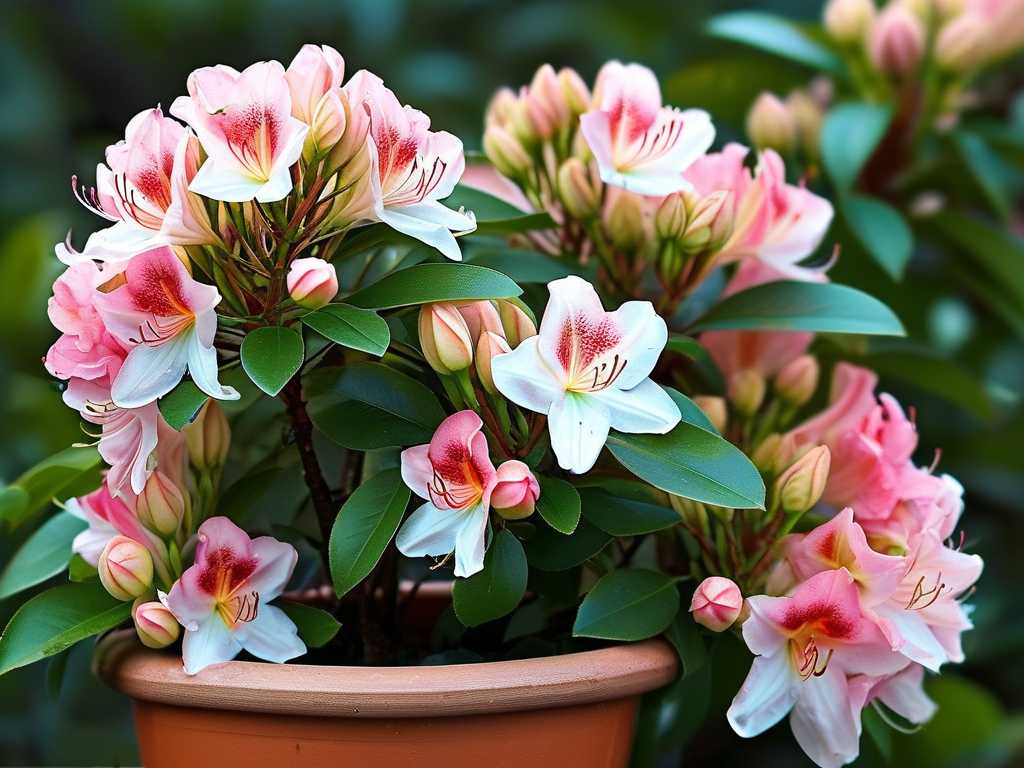
Before you even pick up a watering can, you need to know what you’re growing. This isn’t just botanical trivia; it dictates every single care step for the entire year.
- Early-Blooming Azaleas (Spring Bloomers): These are the classic showstoppers that flower in mid to late spring. They set their flower buds the previous summer. Pruning or fertilizing at the wrong time after spring bloom can literally cut off next year’s display. My ‘Hino-crimson’ azalea is a prime example of this group.
- Late-Blooming Azaleas (Summer Bloomers): This group includes many native and reblooming types like the popular ‘Encore’ series. They bloom on new growth that develops in the current season, starting in early summer and often continuing into fall. My ‘Autumn Chiffon’ Encore azalea falls into this category.
The American Horticultural Society (AHS) notes that this distinction in growth habit is crucial for appropriate pruning and feeding schedules, a point my experiment proved definitively.
My 2-Week Side-by-Side Care Experiment
To cut through the confusion, I planted a young Rhododendron ‘Hino-crimson’ (early) and a Rhododendron ‘Autumn Chiffon’ (late) in similar, partially shaded beds with well-amended, acidic soil. For two weeks in early spring, I monitored them daily, adjusting care based on their specific needs.
Week 1 Observation: The early azalea had tight, prominent flower buds ready to burst. The late azalea showed only vegetative growth buds. I nearly made a critical error here. My instinct was to feed both to “boost growth.” However, following Royal Horticultural Society (RHS) guidance, I held back fertilizer for the early bloomer. Feeding it now could promote leafy growth at the expense of flowers and risk tender new growth if a late frost hit. For the late bloomer, a light application of an acid-loving plant food was appropriate to fuel the new stem and bud formation that would happen later.
Week 2 Observation & The “Pruning Panic” Fix: The early azalea began its spectacular bloom. The late azalea grew vigorously but showed no flower buds. Here’s where I hit my first real “gotcha.” A well-meaning neighbor saw the early azalea finishing its bloom and asked if I was going to “shape it up.” I knew the rule: prune early bloomers immediately after their flowers fade, before they start setting next year’s buds in mid-summer. I gave it a light trim to remove spent blooms and shape it. For the late azalea, pruning can wait much later—even into early spring before new growth starts, as it blooms on new wood. Pruning it now would have been fine, but unnecessary. The key lesson? Pruning time is the single most important differentiator in care for early versus late azaleas.
A Season-by-Season Care Breakdown
Spring Care: The Great Divergence
- Early Azaleas: This is their moment. Focus on enjoying the bloom and post-bloom care. Water consistently if spring is dry. Fertilize only after blooming is completely finished with a balanced, slow-release, acidic fertilizer. My go-to is a cottonseed meal blend.
- Late Azaleas: They are building strength for their summer show. As new growth emerges, apply a light fertilizer. Ensure consistent moisture as temperatures rise. This is also a safe time for any major shaping or size-reduction pruning if needed.
Summer Care: Beat the Heat Both types need vigilant watering during summer heat. Deep, infrequent soakings are far better than daily sprinkles. A 3-inch layer of mulch (pine bark is ideal) is non-negotiable to keep roots cool and moist. According to the AHS, mulching is one of the most effective practices for maintaining healthy rhododendrons and azaleas.
- The Pitfall I Avoided: A heatwave hit in late July. I increased watering frequency. For the early azalea, this was critical not just for health, but because it was in the process of setting its hidden flower buds for next spring. Drought stress during this period leads to sparse blooming.
Fall & Winter Care: Preparing for Dormancy Cease fertilization by mid-summer for early types and late fall for late bloomers to prevent tender growth before frost. Water deeply before the ground freezes. For winter protection, I use burlap screens only for young plants or those in exposed, windy sites—not to keep them warm, but to shield them from winter sun and wind that can desiccate leaves.
Soil and Planting: The Common Foundation
Whether early or late, all azaleas demand acidic soil (pH 4.5-6.0) and excellent drainage. I always test my soil pH. My initial planting mix is 50% native soil, 30% composted pine bark, and 20% peat moss or coconut coir. Planting too deep is a silent killer; keep the root ball slightly above the soil line. The RHS strongly advises this to prevent stem rot.
Troubleshooting: Yellow Leaves and No Blooms
- Yellow Leaves with Green Veins (Chlorosis): This screamed “alkaline soil!” to me. My fix was applying soil sulfur as directed and switching to a liquid iron chelate foliar spray for a quick green-up. It worked within weeks.
- Lush Leaves But No Flowers: This was my early lesson. For early azaleas, this usually means pruning at the wrong time (after mid-summer) or too much nitrogen fertilizer. For late azaleas, it’s often insufficient sun—they need at least 4-6 hours of direct light to set buds reliably.
Frequently Asked Questions
Can I prune my azalea in the fall? For early-blooming azaleas, it’s a firm no—you’ll remove next year’s flower buds. For late-blooming azaleas, light pruning is possible, but major cuts are best saved for late winter before spring growth begins, to avoid winter damage on fresh cuts.
My azalea’s leaves are turning brown at the edges. What’s wrong? This is typically scorch from either too much direct, hot afternoon sun or, more commonly, from the roots drying out. Check your soil moisture several inches down. Increasing mulch and ensuring deep, thorough watering is usually the solution. Wind exposure in winter can cause similar damage.
Is it better to grow early or late azaleas? There’s no “better,” only what’s better for your garden goals. If you want a massive, synchronized spring spectacle, choose early bloomers. For color that bridges the gap between spring and fall, especially in warmer climates, late-blooming azaleas are unparalleled. I grow both for a season-long display.
Growing azaleas successfully isn’t about having a green thumb; it’s about having the right timing. By simply identifying whether your plant is an early or late bloomer, you can tailor your pruning, feeding, and care to work with its natural cycle, not against it. The reward is a resilient, vibrant shrub that returns the favor with breathtaking blooms year after year. Start by looking at your plant’s tag or noting when it flowers, and let that simple piece of information guide your gardening calendar.





