 bluename
 How to Grow Fragrant vs Regular Lavender: A Gardener's Hands-On Guide
I've always loved the calming scent of lavender in my garden, but for years, I struggled. My plants looked healthy enough, but the fragrance was weak, barely noticeable unless I crushed the leaves. I wanted that iconic, powerful aroma that wafts through the air on a warm afternoon. That's when I dove into the world of fragrant lavender versus the more common, less aromatic types. This guide is the result of my two-week experiment and years of subsequent gardening, where I learned that not all lavenders are created equal when it comes to scent. If you're planting lavender purely for its visual appeal, any hardy variety might do. But if you're like me, and the fragrance is the whole point, you need to start with the right plant and the right care.
Understanding the Scent Spectrum: It Starts with the Species
My initial mistake was thinking "lavender" was one single plant. The strength and quality of the fragrance depend heavily on the species and cultivar. Through my research and consultations with resources from the Royal Horticultural Society (RHS), I identified the key players.
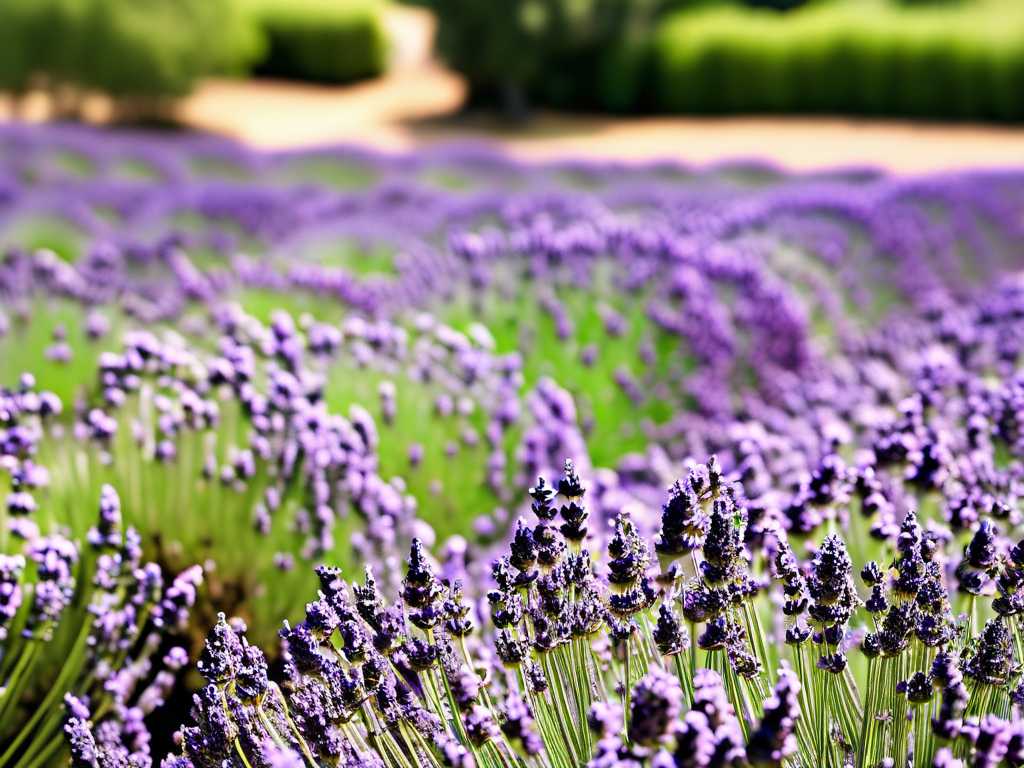
True Fragrant Powerhouses (Lavandula angustifolia): Often called English Lavender, this species is the gold standard for fragrance. The oils in its flowers and foliage are complex and potent, perfect for sachets, cooking, and essential oils. My top performers have been 'Hidcote' with its deep purple spikes and 'Munstead' which is slightly lighter in color but equally aromatic. The RHS notes these varieties are prized for their high-quality essential oil content, which directly correlates to that classic, sweet lavender scent.
The Showy but Milder Cousins (Lavandula x intermedia): These are the lavandins, hybrids typically larger than English types. They produce more oil per plant, but the scent can be sharper, more camphorous, and less sweet. Varieties like 'Grosso' or 'Provence' are workhorses in commercial perfume fields because of their volume, but for a home garden seeking a gentle, traditional perfume, they might not hit the mark.
The Visual Stars with Subtle Scents (Lavandula stoechas): With their adorable "bunny ear" petals, Spanish or French lavender stole my heart. However, after growing several, I found their fragrance to be far more subtle, often with resinous or piney notes. They're stunning in pots but weren't the solution for my fragrant garden border.
My Two-Week Fragrance Boost Experiment: Sun, Soil, and Stress
Armed with this knowledge, I bought two identical-looking 'Munstead' lavender plants from the same nursery. My goal: to see if cultivation techniques could intensify the scent in a short period. I treated them completely differently for two weeks.
Plant A (The "Spoiled" One):
- Location: Partial shade, about 4 hours of morning sun.
- Soil: Rich, moisture-retentive potting mix with added compost.
- Watering: Kept consistently moist, watered every other day.
- Observation (Day 7): Lush, green, rapid new growth. It looked incredibly healthy. But when I rubbed a flower spike? The scent was faint, almost grassy. The essential oils were clearly not concentrating.
Plant B (The "Spartan" One):
- Location: Full, blazing sun all day (at least 8+ hours).
- Soil: I created a very gritty mix: two parts standard potting soil to one part coarse horticultural sand and one part small gravel for extreme drainage.
- Watering: Allowed to dry out completely between deep waterings. I only watered it twice in 14 days.
- Observation (Day 7): Growth was slower, foliage was a silvery-grey green, not as vibrantly green as Plant A. But the moment the afternoon sun hit it, I could catch a whiff of scent from a foot away. Rubbing a bud released a powerful, sweet, and unmistakably lavender aroma.
The Two-Week Verdict and The "Why": By day 14, the difference was undeniable. Plant B, the one grown tough, was exponentially more fragrant. This aligns perfectly with expert wisdom. Lavender plants produce more essential oils as a response to environmental stress—specifically, the stress of bright sun, lean soil, and infrequent water. Those oils are their defense mechanism and the source of their perfume. Pampering lavender with rich soil and constant water encourages leafy growth at the expense of oil production. The American Horticultural Society (AHS) emphasizes Mediterranean natives like lavender thrive on neglectful watering and poor, alkaline soils. My experiment was a live demonstration of that principle.
Step-by-Step: Cultivating Maximum Fragrance in Your Garden
Here’s the actionable plan I now follow, born from my initial test and years of refinement.
1. Selection is 80% of the Battle: Don't just grab any lavender. For fragrance, seek out Lavandula angustifolia cultivars. Visit a nursery in late spring or early summer when they are in bud, and gently rub a flower tip. Your nose won't lie. 'Hidcote,' 'Munstead,' and 'Melissa' (a pink variety) are fantastic, reliably fragrant starters.
2. Plant for Success:
- Sun: Choose the sunniest, hottest spot in your garden. Think baked, not shaded.
- Soil: This is critical. Good drainage is non-negotiable. I dig a hole twice as wide as the root ball and mix the native soil with a large amount of sand, grit, or crushed gravel. If you have heavy clay, consider a raised mound or a dedicated container. A slightly alkaline pH (7.0-8.0) is ideal; I sometimes sprinkle a handful of garden lime into the planting hole.
3. The Art of Neglectful Care:
- Watering: Water deeply at planting to establish roots. After that, mimic drought. Let the soil dry out completely before even thinking about more water. Established lavender often thrives on rainfall alone in many climates. Overwatering is the fastest killer and fragrance-diluter.
- Feeding: Skip the fertilizer. Lavender prefers lean conditions. A single, light top-dressing of compost in early spring is more than enough. Rich feeds promote floppy, fragrant-less growth.
- Pruning for Potency: Pruning is not just for shape; it stimulates new growth where the oils are freshest. I prune lightly right after the first major bloom in summer, cutting back just above the leafy growth, never into old wood. A harder, shaping prune follows in early spring as new growth appears. This keeps the plant compact and bursting with aromatic new stems.
Troubleshooting: The Pitfalls I've Faced (And Fixed)
The Floppy, Non-Fragrant Plant: This was my Plant A. The cause is always the same: too much water, too much shade, or too-rich soil. The fix is preventative—plant correctly from the start. For an existing plant, try to improve drainage around it and resist the watering urge.
The Woody, Sparse Center: Lavender can get leggy. I learned too late that you must prune annually. If it's already woody, you can't force new growth from bare stems. Your best bet is to take semi-ripe cuttings in late summer to propagate a new, young plant and start the pruning regimen correctly.
Winter Die-Off: Not all fragrant English lavenders are equally hardy. My 'Hidcote' survives cold snaps better than some. Ensure excellent drainage before winter, as wet, cold roots are fatal. In very cold zones, a light mulch of gravel (not moisture-trapping bark) after the ground freezes can help.
Your Lavender Questions, Answered
Can I grow intensely fragrant lavender in a pot? Absolutely, and it's a great way to control the soil conditions. Use a terracotta pot (which breathes) with a large drainage hole. Fill it with my gritty sand-and-gravel mix. Place it in your sunniest spot. Potted lavender will need a bit more frequent watering than in-ground plants, but still, let it dry out thoroughly between sessions.
I have lavender but it's not smelling strong. Can I fix it now? You can improve it. First, ensure it's getting maximum sun. Second, amend your watering habits immediately—let it experience dry periods. Finally, after it blooms, give it a good prune. This will encourage a new flush of growth that, under the right sun/water conditions, should be more aromatic. The change won't be overnight, but you should notice a difference in the next growth cycle.
Which fragrant lavender is best for cooking? You must use Lavandula angustifolia varieties, as others can have a bitter, medicinal taste. 'Munstead' and 'Hidcote' are my go-to choices for culinary use. The flavor is sweet, floral, and potent, so use the buds sparingly in baked goods, syrups, or herbes de Provence blends.
Growing lavender for breathtaking fragrance is a rewarding journey that connects you to the essence of the plant. It teaches you to work with nature's logic, not against it. By choosing a true fragrant species like English lavender, giving it the harsh, sunny, and dry conditions it craves, and pruning with confidence, you'll transform your garden into a sensory haven. The scent that rises on a summer breeze will be your reward, a direct result of understanding the beautiful, spartan needs of this beloved herb.





