 bluename
 How to Grow Single vs Double Aster: A Gardener's Care Guide
I've always been mesmerized by the starry blooms of asters, but for the longest time, my efforts to grow them were hit or miss. The real turning point came when I understood that treating a single aster and a double aster as the same plant was my biggest mistake. If you've ever wondered why your asters aren't thriving as promised, or if you're trying to choose between the charming simplicity of a single aster and the opulent, pom-pom-like flowers of a double variety, you're in the right place. This guide is born from my own two-week experiment—and plenty of previous seasons of trial and error—to nail down the specific care tips for each type. We'll dive into everything from planting to troubleshooting, ensuring you get the spectacular fall display you're dreaming of.
Understanding the Core Difference: It's More Than Petals
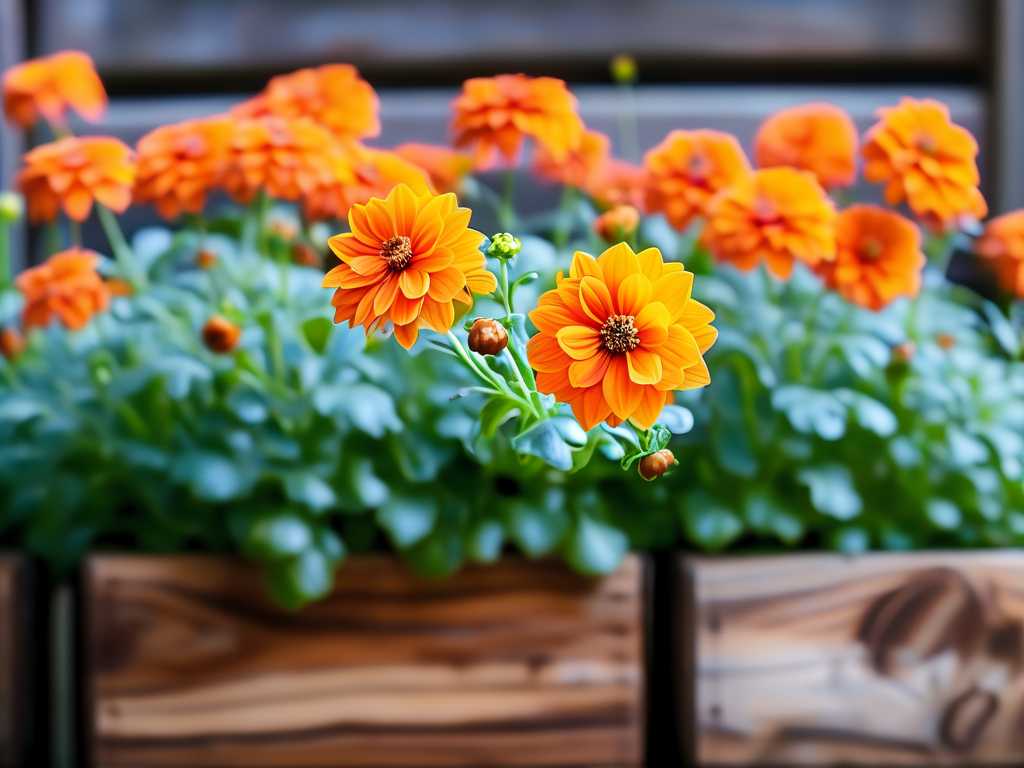
Before we get our hands dirty, let's clarify what we're dealing with. The terms "single" and "double" refer to the flower structure. A single aster has the classic daisy-like form: a central disc of tiny florets surrounded by one row of ray petals (the "petals" we see). A double aster has multiple rows of ray petals, often so densely packed they obscure the central disc, creating a fuller, more ruffled bloom.
This isn't just cosmetic. This fundamental difference in flower architecture impacts how the plant uses energy, its susceptibility to certain issues, and, consequently, how we should care for it. As the Royal Horticultural Society (RHS) notes, double-flowered varieties often require more attentive staking and deadheading to support their heavier blooms and encourage continued flowering.
My Two-Week Growth Observation: A Side-by-Side Journey
I decided to run a parallel care test. I planted a classic single aster (Symphyotrichum novae-angliae 'Purple Dome') and a popular double aster (Symphyotrichum 'Pink Bouquet') in similar, well-draining sunny borders. For two weeks, I monitored their establishment, watering, and initial growth responses daily.
The single aster seedlings showed quicker leaf expansion and a more upright, vigorous stem growth habit from the start. The double aster seedlings were slightly slower to put on vertical growth, focusing energy on developing broader leaf clusters. By the end of the fortnight, the single aster plants were clearly taller, while the double asters appeared bushier at the base. This early observation set the stage for their differing needs.
Planting and Site Selection: Setting the Stage for Success
Both types demand full sun—at least 6 to 8 hours daily. Less leads to leggy plants and feeble flowering. Well-draining soil is non-negotiable to prevent crown rot. Here’s my refined approach after losing a prized double aster to soggy soil:
For both, I dig a hole twice as wide as the root ball. I mix in a generous amount of compost for fertility and grit or perlite to guarantee drainage. The key difference is spacing. Single asters, with their generally taller, more vertical habit, I space about 12-18 inches apart. For the bushier, heavier-flowering double asters, I give them a full 18-24 inches. This improves air circulation, which is crucial for preventing powdery mildew, a common aster ailment.
The Watering Balance: A Critical Divergence
This is where my care routine splits. Both need consistent moisture during their first few weeks and during bud formation. However, my two-week log showed the double asters were noticeably more sensitive to both under- and over-watering.
I water deeply at the base in the morning, avoiding the foliage. For the single asters, I let the top inch of soil dry out between waterings. For the double asters, I check more frequently; I aim to keep the soil consistently moist but never soggy. Their dense flower heads place a higher water demand on the plant, especially during summer heat. A layer of organic mulch around both types helps retain this crucial moisture and keeps roots cool.
Feeding for Optimal Blooms: Fueling the Flower Show
All asters benefit from nutrition, but your feeding strategy can optimize each type's display. At planting, I use a balanced, slow-release granular fertilizer worked into the soil.
As they begin to form buds, I switch to a liquid feed. For my single asters, I use a balanced fertilizer (like a 10-10-10) to support overall growth and flowering. For the double asters, I lean toward a formula slightly higher in potassium (the third number), such as a 5-10-10. Potassium strengthens stems and supports the development of those complex, heavy flower heads. I apply this every two weeks until the flowers begin to open, then stop.
Staking and Structural Support: Preventing Flop
Here's a lesson learned the hard way. One season, a late-summer storm turned my gorgeous double asters into a muddy, flattened mess. Single asters, especially the New England types, are quite sturdy, but taller varieties may need support.
For single asters, I often use discreet brushwood twigs pushed into the ground around the plant early in the season. The stems grow through and are supported naturally. For double asters, this is rarely enough. I now install grow-through grid stakes or individual ring stakes early, when plants are about 12 inches tall. As the American Horticultural Society (AHS) advises, staking early allows the plant to grow into the support, making it look natural and preventing damage later.
The Art of Pinching and Deadheading: Shaping Your Display
Pinching (removing the top growth) encourages bushiness. I pinch back both types in late spring to early summer, cutting back by about one-third. This delays bloom but creates a much stockier plant with more flowers.
Deadheading is vital. For single asters, I simply snip off the spent flower head. For double asters, the process is trickier. The dense flower can hide the precise point to cut. I wait until the entire pom-pom begins to brown, then trace the stem down to the first set of healthy leaves or a side bud and make my cut there. Consistent deadheading throughout late summer and fall signals the plant to keep producing more blooms instead of going to seed.
Pest and Disease Watch: My Proactive Strategy
Asters can face challenges like powdery mildew, aphids, and slugs. My preventative routine is the same for both, but vigilance is higher for doubles.
That wider spacing is my first defense against fungal disease. I water at the base, never overhead. At the first sign of powdery mildew (white patches on leaves), I spray with a milk solution (1 part milk to 9 parts water)—a surprisingly effective organic remedy I discovered during my trial. Aphids love tender new growth, especially on the lush double asters. A strong blast of water from the hose or an application of insecticidal soap takes care of them. Slugs are deterred by my mulch of crushed eggshells.
Overwintering and Division: Ensuring Long-Term Health
After the first hard frost, I cut both types back to about 2 inches above the ground. I add a fresh layer of mulch after the ground freezes to prevent heaving from freeze-thaw cycles.
Both single and double asters benefit from division every 2-3 years in early spring. This revitalizes the clump, improves flowering, and gives me new plants to share. The process is identical: dig up the clump, use a sharp spade to divide it into sections with healthy roots and shoots, and replant immediately.
Are single or double asters better for attracting pollinators? Single asters are superior for pollinators. Their open, central disc florets are easily accessible to bees, butterflies, and other beneficial insects seeking nectar and pollen. The dense petals of double asters often block access to these resources, making them more ornamental than functional in a pollinator garden.
Why are the lower leaves on my aster turning yellow and brown? This is most likely powdery mildew or a sign of stress from uneven watering. Ensure your plants have excellent air circulation, water consistently at the soil level (not on leaves), and apply an organic fungicide like the milk spray at the earliest signs. For double asters, this is a particularly common issue due to their dense foliage.
Can I grow single and double asters in containers? Absolutely, and it's a great way to control soil conditions. Choose a deep, large pot with drainage holes. Use a high-quality potting mix and be even more diligent with watering, as containers dry out faster. Dwarf or compact varieties, like single 'Purple Dome' or double 'Audrey', are excellent choices for pots. Remember to feed regularly, as nutrients leach out with frequent watering.
Growing stunning asters is deeply rewarding, and the key lies in recognizing that single and double varieties, while siblings, have their own personalities. By tailoring your care—giving doubles more room, more consistent moisture, and stronger support—you cater to their specific needs. My two-week deep dive confirmed that these nuanced adjustments make all the difference between a good season and a great one. Start with the right site, stay attentive to their subtle cues, and you'll be rewarded with a vibrant, long-lasting spectacle of stars from late summer right through to frost.





