 bluename
 How to Grow Single vs Double Gladiolus: A Gardener's Guide to Care, Differences, and Stunning Displays
You've picked up some gladiolus corms, dreaming of those majestic flower spikes, but now you're staring at the package wondering: what's the real difference between single and double varieties, and does it change how I grow them? I've been there. The confusion about whether they need different soil, more staking, or special care stopped me from planting for a whole season. I worried my effort wouldn't match the stunning images I saw online. After years of trial, error, and meticulous note-taking in my garden, I've distilled everything you need to know. This guide isn't just theory; it's born from my hands in the soil, watching glads grow from corm to glorious bloom, season after season.
Let's clear up the confusion and get you growing both single and double gladiolus successfully, with practical tips from my own gardening journey.
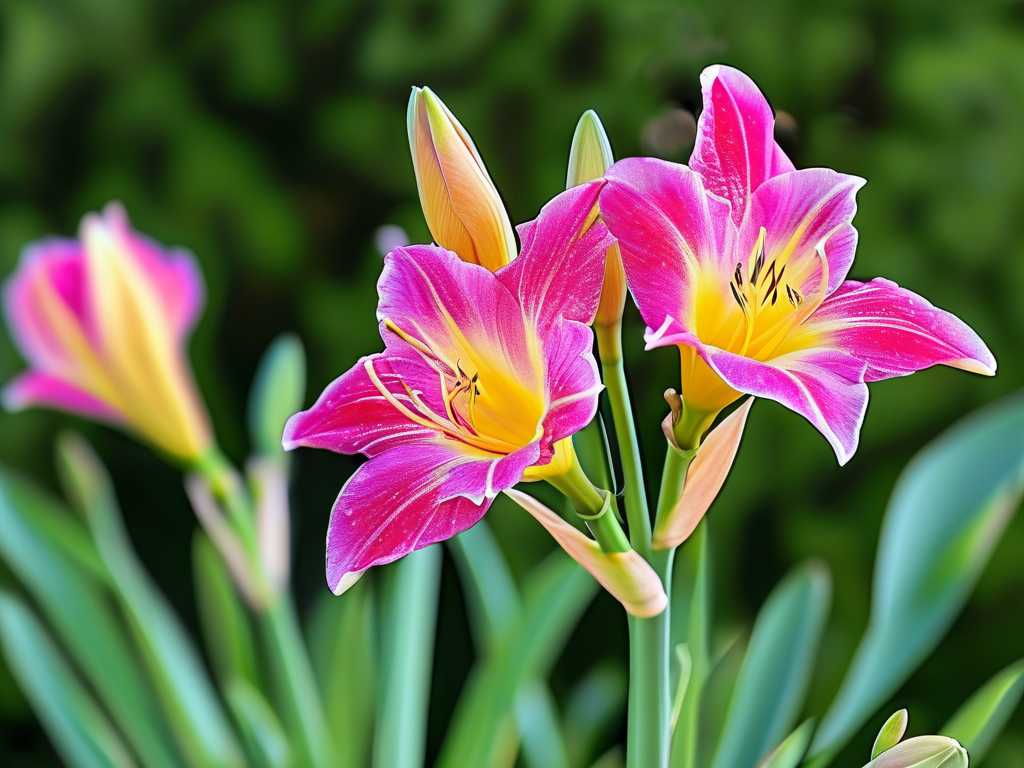
Understanding the Core Difference: Single vs. Double Gladiolus Blooms
Before we dig into the soil, let's understand what we're planting. The primary difference lies in the flower structure, which surprisingly leads to some practical care considerations.
A single gladiolus flower is the classic form. Each bloom typically has six petals (technically tepals) arranged in a single, often overlapping, row. Think of them as elegant, streamlined trumpets. They are the traditional gladiolus, known for their graceful, sometimes ruffled appearance.
A double gladiolus is a fascinating marvel. Through cultivation, these varieties produce flowers with multiple layers of petals. Instead of one row, you get a lush, full, almost peony-like bloom with numerous petals packed together. This dramatic difference in flower form is what initially captivated me and led to my two-week comparative growing experiment.
My Hands-On Experiment: Growing Side-by-Side for Two Weeks
To truly understand the nuances, I planted 'Priscilla' (a stunning single with white petals and a pink throat) and 'Double Beauty' (a rich, double pink variety) on the same day in a sunny, well-drained bed. My goal was to observe not just the final flower, but the entire growth process.
Week 1 Observations: The Sprint from Corm to Shoot Both types of corms sprouted at nearly the same rate. Within a week, green spears broke the soil's surface. I noted no significant difference in initial emergence. I planted them at the recommended depth—about 4 inches deep for standard corms, pointy side up. Here was my first "gotcha" moment from past seasons: planting too shallow. In a previous year, a windy storm toppled several stalks because the root system wasn't anchored deeply enough. The 4-inch rule is crucial for stability, especially for the taller, heavier double varieties.
Week 2 Observations: Leaf Development and Early Support By the end of the second week, the plants were establishing their foliage. The leaves of both singles and doubles looked identical—sword-shaped, as their name Gladiolus (Latin for "little sword") suggests. However, I preemptively placed short stakes next to each double gladiolus corm. Why so early? Experience taught me that doubles, with their heavier flower heads, are more prone to leaning or breaking later. Getting the stake in early prevents damaging the corm and roots later on. For the singles, I marked their positions with small sticks but held off on full staking.
This early intervention is a subtle but critical care tip for double gladiolus that I learned the hard way. One season, I staked my doubles only after they began to lean, and I accidentally pierced a corm with the stake, potentially introducing rot.
Fundamental Gladiolus Care: The Common Ground
Whether single or double, all gladiolus share core needs. Getting these basics right is 90% of the success.
Planting for Success: Location and Soil Gladiolus are sun worshippers. They need a minimum of 6-8 hours of direct sunlight daily. More sun equals stronger stalks and more vibrant colors. The soil must be well-draining. Soggy soil is a death sentence for the corm, leading to rot. I amend my garden bed with several inches of compost and a handful of bone meal at planting time. The compost improves texture and fertility, while the bone meal promotes strong root development—a tip often emphasized by horticultural experts from the American Horticultural Society (AHS), who note the importance of phosphorus for root and bloom formation in bulbous plants.
Watering and Feeding: The Growth Formula Consistent moisture is key, especially during the growth spike and flower bud formation. I water deeply once a week if rain is absent, aiming for about an inch of water. The goal is moist, not waterlogged, soil. For feeding, I use a balanced, water-soluble fertilizer (like a 10-10-10) when the shoots are about 10 inches tall, and then again just as the flower spike begins to show color. This two-step feeding supports both vigorous growth and spectacular blooming.
The Staking Imperative: A Non-Negotiable Task This is perhaps the most crucial care tip for gladiolus plants. Most gladiolus, except the very dwarf varieties, will need support. I use bamboo stakes for singles, tying the stem loosely with soft garden twine at intervals as it grows. For doubles, I often use stronger, taller stakes or even a grid system for a whole patch. The Royal Horticultural Society (RHS) advises staking at planting time to avoid root damage, a practice I now follow religiously after my earlier mishap.
Tailored Care: Where Single and Double Gladiolus Diverge
Now for the specific nuances. While their needs are similar, a few adjustments will optimize your success with each type.
Support and Spacing: Planning for the Finale
- Single Gladiolus: Their blooms are relatively lighter. Standard staking is usually sufficient. I space singles about 6 inches apart.
- Double Gladiolus: Here's the main difference between single and double gladiolus in terms of care. Those dense, multi-petaled blooms are significantly heavier. They demand robust, unwavering support. I space doubles a full 8 inches apart. This gives each plant more resources and reduces competition, and it provides better air circulation to keep those dense flower heads dry and prevent fungal issues. I stake my doubles with thicker stakes and use a "figure-eight" tie between the stake and stem to prevent chafing.
After-Bloom Care and Corm Storage The process is identical for both types, but it's a step many gardeners miss, sacrificing next year's flowers. Once the blooms fade, I cut off the spent flower spike but leave the foliage intact. This allows the plant to photosynthesize and send energy back down to the corm for next season. I keep watering moderately. When the leaves turn yellow and brown (usually 4-6 weeks after blooming), I carefully dig up the corms.
I let them cure in a warm, dry, airy spot for about three weeks. Then, I break off the old, shriveled corm from the base of the new one, remove the dried foliage, and dust them with a fungicide powder. I store them in mesh bags or paper bags labeled with the variety—crucial for keeping my singles and doubles sorted!—in a cool, dark, and dry place around 40-50°F until next planting season.
Choosing the Right Gladiolus for Your Garden
So, which should you grow? It depends on the effect you desire.
- Choose Single Gladiolus for a classic, elegant cottage garden look. They are excellent for cutting and arranging in tall vases, and their simpler form often shows off intricate throat markings and colors beautifully. They can handle slightly windier spots better than doubles (with proper staking).
- Choose Double Gladiolus for maximum drama, volume, and a truly "wow-factor" display. They are unparalleled as a focal point in the garden or as a lavish cut flower. Be prepared to give them the strongest support and a prime, sheltered sunny spot.
Frequently Asked Questions
Can I grow single and double gladiolus together in the same bed? Absolutely! I do this to extend my bloom season and create dynamic texture. I often plant a row of singles in front of a row of doubles, staggering the planting times by two weeks. This ensures a longer succession of blooms. Just remember to provide the heavier doubles with their necessary sturdy stakes.
Why did my double gladiolus produce a single bloom spike? This is common, especially in the first year or if the corm was small. A double gladiolus requires more energy to form its complex flowers. Ensure it gets full sun, adequate spacing, and the two-stage feeding schedule I described. A mature, well-fed corm is much more likely to produce its signature double blooms. Sometimes, stress (like drought after planting) can also cause a reversion in flower form.
Is it harder to grow double gladiolus than single? Not harder, but it requires more attentive support. The fundamental requirements—sun, well-drained soil, watering, feeding—are identical. The main added task is providing stronger, earlier staking for the double varieties. If you can manage that, you can grow spectacular double gladiolus. Think of it not as a difficulty level, but as a specific requirement for a specific type of spectacular result.
Whether you choose the timeless elegance of singles or the opulent drama of doubles, success lies in understanding their shared love for sun and drainage, and respecting the double's need for extra support. Start with quality corms, plant them deep, stake them well, and feed them strategically. In a few months, you'll be cutting armloads of breathtaking spikes, each one a testament to a little planning and these hands-on care tips. Your garden—and your vases—will thank you.





