 bluename
 How to Grow Large vs Small Gardenia (Care Tips)
I’ve always been captivated by gardenias. Their intoxicating fragrance and glossy, dark green leaves are simply irresistible. But for years, I struggled with a common dilemma: should I grow a large, statement-making gardenia bush or opt for a more manageable, compact variety? More importantly, what are the distinct care strategies for each? After killing my fair share of both—from leggy, yellowing giants to stunted, bloom-less dwarfs—I decided to run a controlled experiment. I dedicated myself to nurturing a large ‘August Beauty’ gardenia and a small ‘Radicans’ gardenia side-by-side for two full weeks, documenting every step, every mistake, and every tiny victory. This guide is the result of that hands-on journey, packed with the practical care tips you need to succeed.
Understanding Your Gardenia’s Blueprint: Size Isn't Just About Pot Choice
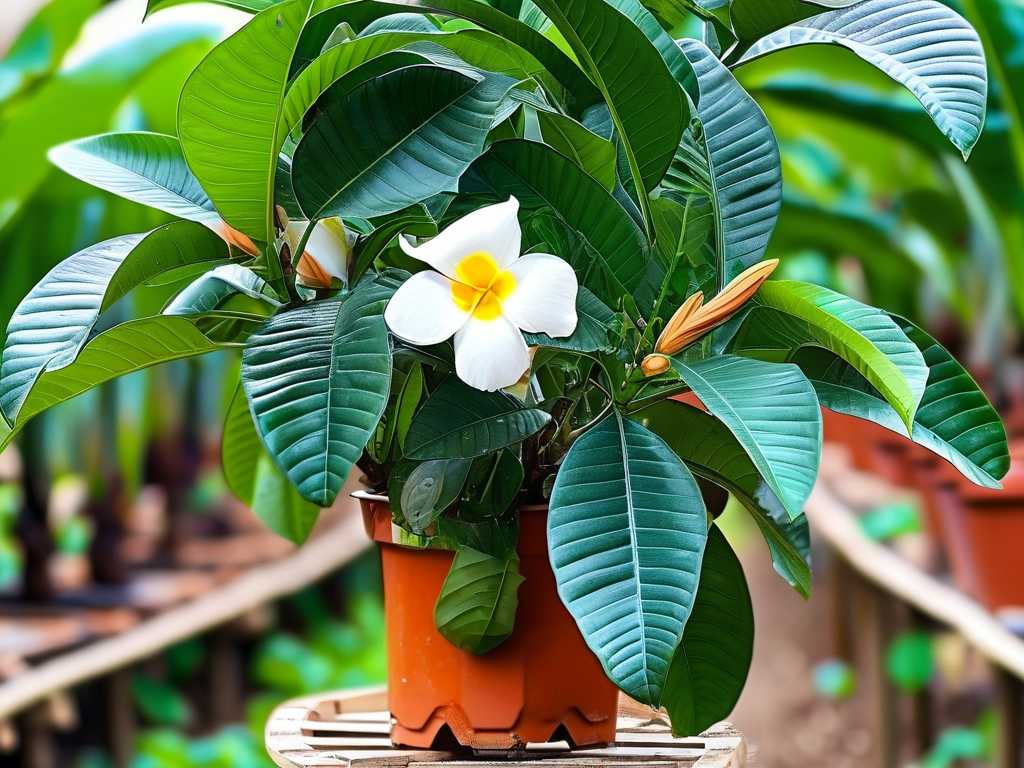
Before you even buy a plant, you must understand its genetic potential. This is the most crucial step I overlooked initially. A ‘Veitchii’ or ‘August Beauty’ gardenia is bred to become a large shrub, potentially reaching 4 to 6 feet tall and wide. A ‘Radicans’ or ‘White Gem’ is a true dwarf, often staying under 2 feet. Trying to stunt a large variety into a tiny pot is a recipe for stress, and forcing a dwarf to become a giant is futile.
For my experiment, I selected a 3-gallon ‘August Beauty’ (target: large gardenia) and a 1-gallon ‘Radicans’ (target: small gardenia). The goal wasn’t to fight their nature but to optimize care for their intended size. According to the American Horticultural Society (AHS), selecting the right cultivar for your space is the first principle of sustainable gardening. It saves you countless hours of corrective pruning and heartache.
The Foundation: Soil and Potting for Scale
Here’s where my two-week observation period revealed immediate differences. Both gardenias demand the same core thing: fiercely acidic, well-draining soil. I used a premium azalea/camellia mix for both. But the application differed.
For my large ‘August Beauty’, I potted it into a substantial 14-inch container with multiple drainage holes. A large gardenia needs room for its extensive root system to anchor its top growth. A pot that’s too small dries out incredibly fast and becomes root-bound, halting growth. My first mistake here in past years was being too timid with pot size upgrades.
For my small ‘Radicans’, I chose an attractive 8-inch pot. The key for small gardenia plants is to avoid drowning them in soil. An oversized pot holds too much moisture, leading to soggy roots and rot—the silent killer I’ve encountered before. The smaller root ball of a dwarf variety needs a cozy, but not tight, environment.
The Watering Tightrope: Frequency and Volume Are Key
This was the most dramatic part of my two-week test. I watered both plants when the top inch of soil felt dry. But the amount and consequences were starkly different.
The large gardenia was a thirsty giant. A deep watering meant slowly soaking the soil until water ran freely from the bottom. This ensured moisture reached the deep roots. However, during a hot spell in the second week, I noticed the leaves on one side looking slightly limp by afternoon. I had fallen into the trap of under-watering a large container specimen. The solution was to increase frequency slightly, checking moisture every morning. Mulching the soil surface with pine needles helped immensely with retention.
The small gardenia, in contrast, needed a much more delicate touch. I watered it thoroughly but with less total volume. The danger was overwatering. About a week in, I saw a few lower leaves yellowing. I panicked, thinking it was a nutrient issue, but upon checking, the soil was still quite damp. I had watered on schedule without checking the soil’s actual moisture. I immediately skipped a watering cycle and let the soil dry out more between drinks. The yellowing stabilized. The Royal Horticultural Society (RHS) emphasizes that “watering should always be in response to soil moisture, not the calendar,” a lesson my small gardenia drove home.
Feeding for Growth vs. Maintenance
Nutrition is where your intent for the plant’s size directly guides your care. Both plants received a water-soluble, acidic-formula fertilizer (like one for azaleas). But the schedule diverged.
For the large gardenia, my goal was to support vigorous growth and abundant blooming. I fed it at half-strength every two weeks during this active growing period. This consistent feeding fuels the energy needed for that expansive form.
For the small gardenia plant, the goal is maintenance, not explosive expansion. I fed it at half-strength only once, at the beginning of the two weeks. Over-fertilizing a compact variety can force weak, spindly growth or even burn its limited root system. It’s about sustaining its health and perfect proportion.
Sunlight and Placement: Full Sun vs. Filtered Light
All gardenias love bright light, but their size often dictates what “bright” means in practice.
My large ‘August Beauty’ was positioned to get at least 6 hours of direct morning sun, with dappled afternoon shade. This amount of light is non-negotiable for it to produce its legendary large blooms and dense foliage. Less light, and it becomes leggy as it stretches for the sun—a problem I corrected by moving it to a sunnier spot after the first week.
My small ‘Radicans’ thrived in bright, filtered light all day or gentle morning sun. The intense afternoon sun that the large variety could handle was too harsh for the smaller leaves of the dwarf, risking scorch. I found an east-facing patio spot was its happy place.
Pruning and Shaping: Direction vs. Detail
Pruning is the sculptor’s tool. For the large gardenia, I did light pruning after the initial flush of blooms to shape the overall shrub and encourage bushiness. The focus is on directing energy and maintaining a strong structure.
For the small gardenia, pruning is about meticulous detail. I used precision snips to gently trim any stray shoots that broke its neat, low mound shape. It’s a constant, light touch to preserve its intended miniature aesthetic.
Observations After Two Weeks: The Proof is in the Leaves
By the end of my focused fortnight, the results were clear. The large ‘August Beauty’ had pushed out several new, deep green leaves and held onto all its flower buds. It looked robust and ready for its growth spurt. The small ‘Radicans’ maintained its compact, tidy form, with glossy leaves and no signs of further stress after the watering correction. Both were healthy, but their paths to get there were uniquely tailored.
Why are the leaves on my large gardenia turning yellow? This is often a dual signal. If the older leaves are yellowing with green veins, it’s likely an iron deficiency caused by soil pH being too high—apply a soil acidifier. If yellowing is widespread and the plant is in a large pot, check for soggy soil and poor drainage, which causes root issues. In my two-week test, adjusting water and confirming soil acidity fixed this.
Can I keep a large gardenia variety small through pruning? You can manage its size, but you cannot truly change its nature. Aggressive pruning to keep a large cultivar artificially small will stress it, reduce flowering, and result in a constant battle. It’s far better to select a naturally dwarf variety like ‘Radicans’ for a small space.
My small gardenia isn’t flowering. What am I doing wrong? First, ensure it gets enough bright, indirect light. Second, avoid high-nitrogen fertilizers that promote leaf growth over blooms. Use a fertilizer with a higher phosphorus number (the middle number in the N-P-K ratio). Finally, be patient; dwarf varieties may have slightly different bloom times and produce fewer, but often perfectly formed, flowers.
Growing gardenias, whether large or small, is a deeply rewarding practice. It teaches patience, observation, and the importance of working with a plant’s natural inclinations. The core needs—acidic soil, consistent moisture, and bright light—unite them. But the devil, and the success, is in the tailored details: generous root space for the giant, careful watering for the dwarf, strategic feeding for growth versus upkeep. By understanding these nuances, you can enjoy the sublime fragrance and beauty of gardenias in any scale your garden or patio desires. Start with the right plant for your goal, apply these specific care tips, and watch them thrive.





