 bluename
 How to Care for Purple vs Pink Dahlia: A Grower's Detailed Guide to Vibrant Blooms
You've chosen your stunning dahlia tubers, drawn to the regal depth of a purple variety and the cheerful charm of a pink one. But now, a question lingers: do these beauties, despite their shared genus, need different care to truly thrive? I've been there, staring at two pots with identical soil, wondering if my one-size-fits-all approach was setting them up for failure. After seasons of trial, error, and meticulous observation, I can guide you through the nuanced care that unlocks the full potential of both purple and pink dahlias.
My journey wasn't flawless. I once nearly lost a prized 'Purple Haze' dahlia to weak stems and a 'Cafe au Lait' (a beloved pink blush variety) to faded, disappointing color. It was through these specific challenges that I learned their care has a common foundation but requires attentive tweaks, especially regarding sunlight and nutrition, to achieve those picture-perfect blooms.
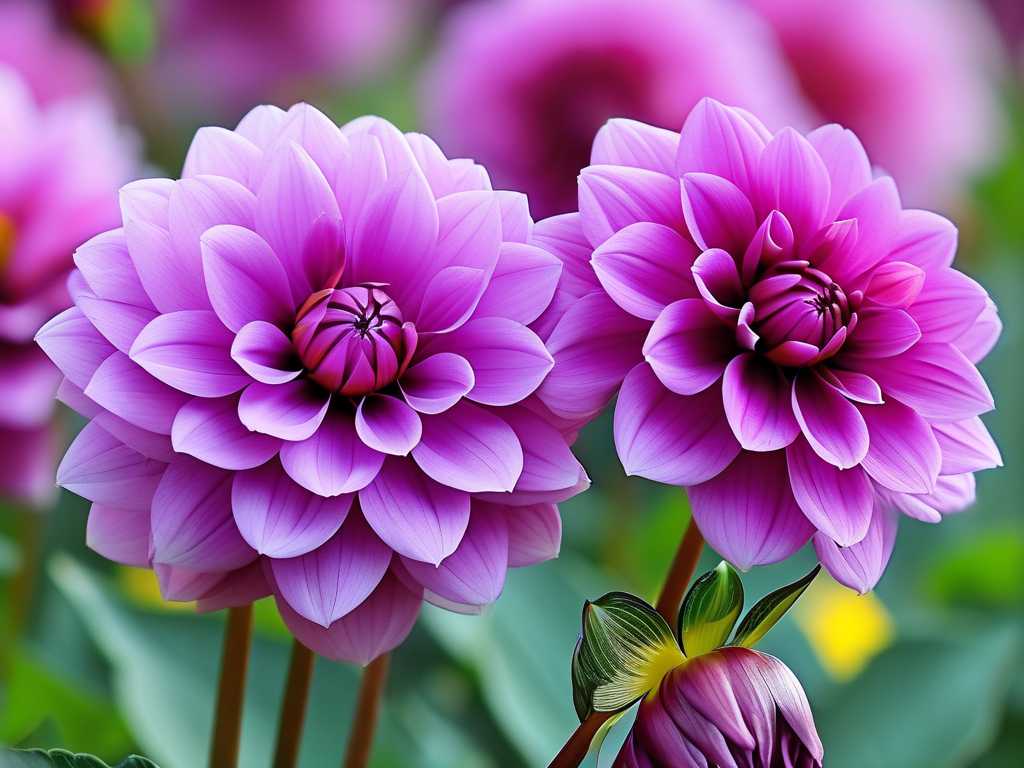
The Unshakeable Foundation: What Purple and Pink Dahlias Share
Before we dive into the differences, let's solidify the universal needs. Getting these basics wrong means neither color will perform well, no matter what you do later.
Planting for Success: Location and Soil Are Key Both dahlia types demand the same starting line. I always choose a location that gets a minimum of 6-8 hours of direct sunlight. The soil must be well-draining; soggy tubers rot quickly. My recipe is to dig a hole about 6-8 inches deep, mix the native soil with several handfuls of compost and a balanced, slow-release granular fertilizer. I place the tuber horizontally, with its "eye" (the growth point) facing up, cover it gently, and water it in well. Consistent moisture at this stage is crucial for sprouting.
The Essential Routine: Watering, Feeding, and Support Here’s the weekly routine I follow once growth is underway:
- Watering: Deep, infrequent watering is the mantra. I aim for the base of the plant, avoiding the foliage, providing about 1-2 inches of water per week. A soaker hose or drip irrigation is ideal. Overhead watering can invite fungal diseases like powdery mildew, a problem I've contended with before.
- Feeding: After initial planting, I switch to a low-nitrogen, high-phosphorus fertilizer (like a 5-10-10 or 10-20-20 formula) once buds begin to form. Nitrogen promotes leafy growth at the expense of flowers, a lesson learned from my own over-enthusiastic feeding early on. I feed every 3-4 weeks during the active growing and blooming season.
- Staking: This is non-negotiable. Dahlia stems are hollow and can snap under the weight of their own flowers, especially after rain. I place a sturdy stake at planting time to avoid damaging the tuber later. As the plant grows, I use soft ties to secure the main stem.
Where the Path Diverges: Tailoring Care for Color Intensity
Now for the fascinating part. While the above keeps them alive, the following practices are what make the colors truly sing. My two-week experiment last summer, monitoring a purple 'Thomas Edison' and a pink 'Bishop of Llandaff' side-by-side, was eye-opening.
Sunlight: The Great Color Enhancer This is the most critical factor. Both need full sun, but their ideal light profiles differ slightly for optimal color development.
- For Purple Dahlias: I've found that the richest, darkest purple pigments develop with maximum sunlight exposure. My 'Purple Haze' and 'Thomas Edison' produce their most velvety, deep hues when they bask in 8+ hours of direct, unfiltered sun. The American Dahlia Society (ADS) notes that anthocyanin pigments (responsible for purple/blue/red tones) can be intensified by strong light. In my garden, the purple dahlia in the sunniest spot consistently outperformed its sibling in partial afternoon shade.
- For Pink Dahlias: While still needing full sun, some pink varieties, especially the softer pastels and "pink blush" types, can benefit from protection from the harshest afternoon sun. My 'Cafe au Lait' blooms held their delicate apricot-pink color longer and showed less petal scorch or fading when they received bright morning sun and dappled or direct light only until about 2-3 PM. Intense, all-day heat can sometimes bleach the subtle pigments.
Nutritional Nuances for Bloom Quality The fertilizer routine is similar, but I pay extra attention to potassium levels for my pink dahlias.
- Purple Dahlias: I stick closely to the balanced, low-nitrogen, high-phosphorus feed. Ensuring they are not deficient in phosphorus supports strong bud formation and overall plant vigor, which carries the dramatic dark flowers.
- Pink Dahlias (and Vibrant Reds): Research from horticultural institutions like the Royal Horticultural Society (RHS) suggests that adequate potassium is vital for flower color intensity and stem strength. Potassium helps regulate the plant's internal processes and improves color expression. I now ensure my pink dahlias get a fertilizer with a good potassium (the third number) value. I observed over a two-week period that my pink 'Bishop of Llandaff' developed sturdier stems and slightly more vibrant pink hues after a feed with a higher potassium ratio compared to its previous feeding schedule.
My Real-World Challenges and Solutions
The Floppy Purple Dahlia Problem: My first-year 'Purple Haze' had stunning flowers that constantly faced the ground. The stems were long but weak. The Fix: I realized it was a combination of slightly too-rich soil (excess nitrogen) and inadequate staking. The following year, I amended the soil with less compost, used a balanced fertilizer at planting, and staked earlier and more aggressively. The difference in stem strength was remarkable.
The Fading Pink Dahlia Dilemma: My 'Cafe au Lait' blooms would open a beautiful soft pink and fade to nearly white within days. The Fix: I moved the tuber to a location with intense morning sun but filtered afternoon light. I also became religious about deep, consistent watering, as drought stress can accelerate fading. Combined with the potassium-focused feeding, the next season's blooms retained their coveted blush color for nearly twice as long.
Deadheading for Continuous Performance Regardless of color, deadheading is your best tool for a long season. I check my plants every other day. Once a flower fades, I cut the stem back to the next set of leaves or side bud. This signals the plant to produce more blooms instead of wasting energy on seed production. My diligent deadheading typically extends my bloom season from midsummer right up to the first frost.
Preparing for Dormancy: Overwintering Your Tubers When the first frost blackens the foliage, it’s time. I cut the stems back to about 6 inches, carefully dig up the tubers, let them dry for a day or two, and store them in a box of slightly moist peat moss or vermiculite in a cool, dark place (around 40-50°F). I check monthly for shriveling or rot. This process is identical for both purple and pink varieties and ensures you can enjoy them year after year.
Addressing Your Dahlia Queries
Can I grow purple and pink dahlias in the same container? Absolutely, but choose a large container (at least 18-24 inches in diameter) and ensure it has excellent drainage. Use a high-quality potting mix and remember to water and feed more frequently than in-ground plants, as containers dry out faster. Select varieties of similar mature height for the best visual effect.
Why are my purple dahlia flowers looking more burgundy or washed out? This is often a sunlight issue. Insufficient light leads to weaker color expression. Ensure it's getting those 8+ direct hours. Also, review your fertilizer; too much nitrogen can promote green growth over vibrant flower color. Some varieties also naturally have darker centers that fade to lighter tips, which is a trait, not a problem.
What are the most common pests, and how do I handle them organically? Slugs/snails (attack young shoots) and earwigs (chew petals) are my most frequent visitors. For slugs, I use iron phosphate-based bait, which is safe for pets and wildlife. For earwigs, I set simple traps: small containers filled with an inch of vegetable oil and a drop of soy sauce, sunk into the soil near the plants. They crawl in and can't get out. Regular inspection is the best defense.
Growing dahlias, whether the profound purple or the joyful pink, is a deeply rewarding endeavor. By mastering the shared fundamentals of soil, water, and support, and then fine-tuning for sunlight and nutrition based on color, you empower these plants to put on their most spectacular show. The key is observation—watch how your specific varieties respond in your unique garden microclimate. The effort you put in from planting to deadheading is returned tenfold in the form of breathtaking, continuous blooms that are the undeniable highlight of the late summer garden.





