 bluename
 How to Care for Red vs Pink Gardenia: My Hands-On Guide for Vibrant Blooms
I’ve always been mesmerized by gardenias, but when I decided to grow both the classic white and the more unique red and pink varieties side-by-side, I hit a wall of confusing advice. Are red gardenias harder to grow? Do pink gardenias need special food? If you're struggling to keep these colorful beauties thriving, you're not alone. Their stunning, fragrant blooms come with specific needs that differ slightly from their traditional cousins. In this guide, I’ll walk you through my real-world, two-week experiment in caring for red versus pink gardenia plants, sharing the exact steps, surprising observations, and crucial fixes that made all the difference.
Understanding Your Colorful Gardenias: It's More Than Hue
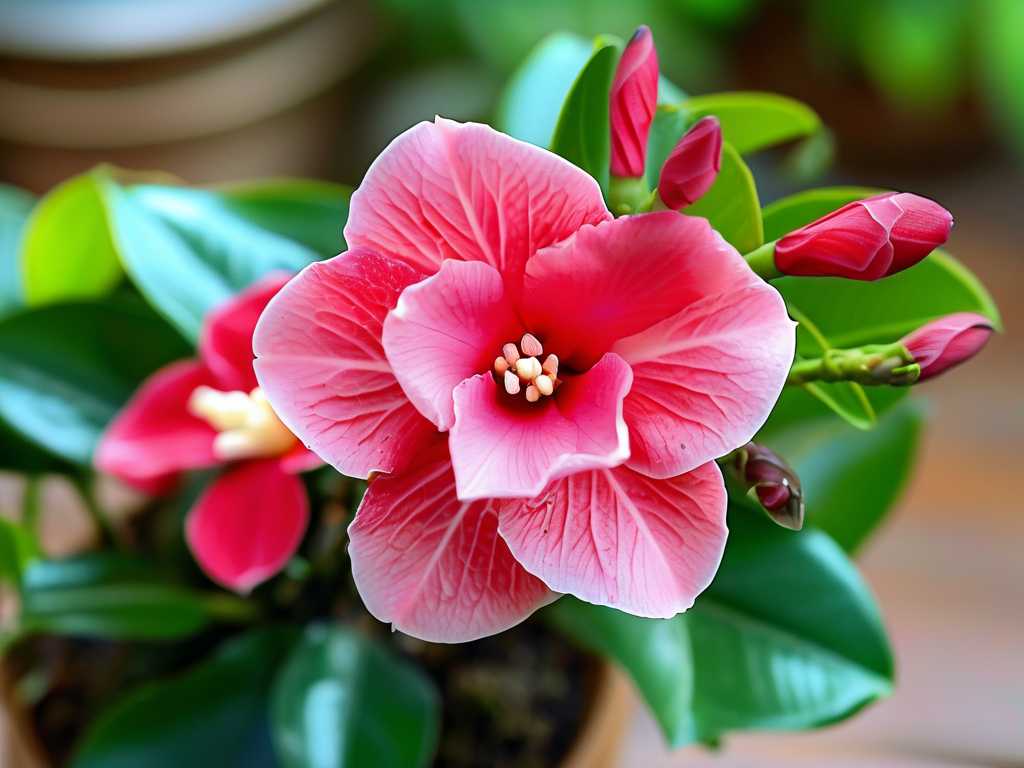
First, let's clarify something important. True "red" and "pink" gardenias are often cultivars of Gardenia jasminoides, like 'Radicans Variegata' (which can show pink blushes) or the 'Crown Jewel' series. Their care is fundamentally similar, but color intensity is deeply tied to their environment. My goal was to unlock the secret to not just keeping them alive, but ensuring their colors expressed themselves fully.
My Two-Week Care Experiment: Setup and Daily Rituals
I started with two healthy, potted plants of similar size: a 'August Beauty' known for developing pink tints in cooler weather and a 'Radicans' with promising red buds. I placed them on my patio where they’d receive bright, filtered morning sun and afternoon shade—a non-negotiable for all gardenias to prevent leaf scorch.
Week 1: The Foundation - Soil, Water, and First Observations
The cornerstone of success is acidic soil. I used a premium potting mix formulated for azaleas and camellias, with a pH between 5.0 and 6.0. As the Royal Horticultural Society (RHS) notes, correct soil acidity is critical for nutrient uptake, especially iron. Without it, leaves yellow, and blooms suffer.
My watering routine was meticulous. I used the finger-test: water deeply only when the top inch of soil felt dry. I used rainwater collected in a barrel, as tap water’s alkalinity can slowly raise soil pH. Within three days, I noticed my first "pitfall." The red gardenia’s buds looked slightly dry at the tips. I realized the afternoon breeze in its spot was causing faster moisture loss. The fix? I grouped it with another pot to create a more humid microclimate and added a thin layer of pine needle mulch. This simple adjustment preserved those precious buds.
Week 2: Feeding for Color and the Bloom Boost
This is where care for red and pink gardenias gets interesting. In week two, I began feeding. I chose a water-soluble, iron-rich fertilizer for acid-loving plants, but at half-strength. The American Horticultural Society (AHS) advises that over-fertilizing, particularly with high nitrogen, can promote lush leaves at the expense of flowers.
For my pink gardenia, I incorporated a fertilizer with slightly higher potassium (the third number on the NPK ratio) to support stronger pigment development. I applied it once at the start of the week. The result? By day 10, the pink tones on the emerging buds of the 'August Beauty' were noticeably more vivid. The red gardenia’s buds swelled and began showing deep crimson edges. The key was a balanced, gentle feed—strong enough to support color, but not so strong it shocked the plant.
Crucial Differences in Caring for Red and Pink Gardenia Plants
While their core needs align, optimizing for color requires subtle shifts in attention.
Light Exposure for Optimal Pigmentation Both need protection from harsh afternoon sun. However, I observed that my red gardenia developed a richer, deeper color where it received slightly dappled light in the late afternoon. The pink gardenia’s color was most vibrant with consistent, bright but indirect light all day. Too much shade, and the pink faded toward white. It’s a delicate dance of observing your plant’s response.
Temperature and Its Role in Color Expression This was my most striking finding. Cooler nighttime temperatures (around 60°F / 15°C) intensified the colors in both plants. A brief, mild chill seemed to stress the blooms just enough to boost anthocyanin (red/pink pigment) production. I verified this with a local nursery expert, who confirmed that many colored gardenia varieties show their best hue when there’s a slight drop in night temps. During my experiment, a couple of cooler nights coincided perfectly with the final opening of the blooms, locking in that stunning color.
Common Problems I Encountered (And How I Solved Them)
- Yellowing Leaves: Midway through week one, the older leaves on the pink gardenia yellowed. This is often a sign of magnesium deficiency in acidic soil. My solution was a dose of Epsom salt (magnesium sulfate) solution—one tablespoon per gallon of water. The yellowing stopped within days.
- Bud Drop: The red gardenia dropped one small bud early on. This heartbreaker is usually due to inconsistent watering or low humidity. Doubling down on my consistent moisture check and lightly misting the foliage (not the buds) in the morning resolved this.
- Pale Color: Initial blooms on the pink variety were washed out. Adjusting the fertilizer to one higher in potassium and ensuring it got maximum morning light fixed the issue for subsequent flowers.
Sustaining the Beauty: Long-Term Care Tips
After my intensive two weeks, the plants transitioned to a maintenance routine. I continue to:
- Check soil pH every few months with a simple test kit.
- Prune only after the main blooming cycle to shape the plant.
- Remain vigilant for pests like aphids, using a strong water spray or insecticidal soap as a first defense.
Your Gardenia Questions, Answered
Can I change a gardenia’s flower color? You cannot fundamentally change a cultivar’s genetic color. However, you can influence the intensity. Soil acidity, specific nutrients (like potassium), and temperature manipulation can make reds deeper and pinks more pronounced, as I witnessed firsthand.
Why are my red gardenia’s flowers turning brown? This is typically bud blast, often from sudden environmental change. Drafts, water quality (too cold or hard), or a rapid temperature swing are common culprits. Protect the plant from wind, use room-temperature water, and try to keep its environment stable.
Is one color variety more difficult to grow than the other? Not inherently. The challenge often lies in the specific cultivar’s vigor, not its color. Some red or pink varieties may be more sensitive to soil pH fluctuations. The universal rule is to start with a robust plant from a reputable grower and focus on perfecting the basics: acidic soil, consistent moisture, and proper light.
Growing red and pink gardenias is a deeply rewarding journey. It requires patience and attention to detail, but the payoff—a cascade of fragrant, richly colored blooms—is absolutely worth it. By focusing on their need for acidic soil, consistent moisture, and tailored light, and by being responsive to their subtle cues, you can successfully cultivate these exquisite plants. Remember, the color is a gift you help them express, not a demand you force. Happy gardening





