 bluename
 How to Care for White vs Yellow Lily: A Practical Guide from a Fellow Plant Lover
You’ve brought home stunning white and yellow lilies, their buds promising elegance and sunshine. But now, you’re staring at them, a silent worry creeping in: “Are their needs the same? Will one thrive while the other struggles?” I’ve been there. The assumption that all lilies are cared for identically is a common pitfall that can lead to lackluster blooms or, worse, a shortened plant life. Through my own trials, errors, and a dedicated two-week observation period with both varieties, I’ve learned that while their core needs are similar, subtle differences in their care can make all the difference. This guide will walk you through exactly how to care for white lilies and yellow lilies, side-by-side, based on hands-on experience.
Understanding Your Lily’s Core Personality
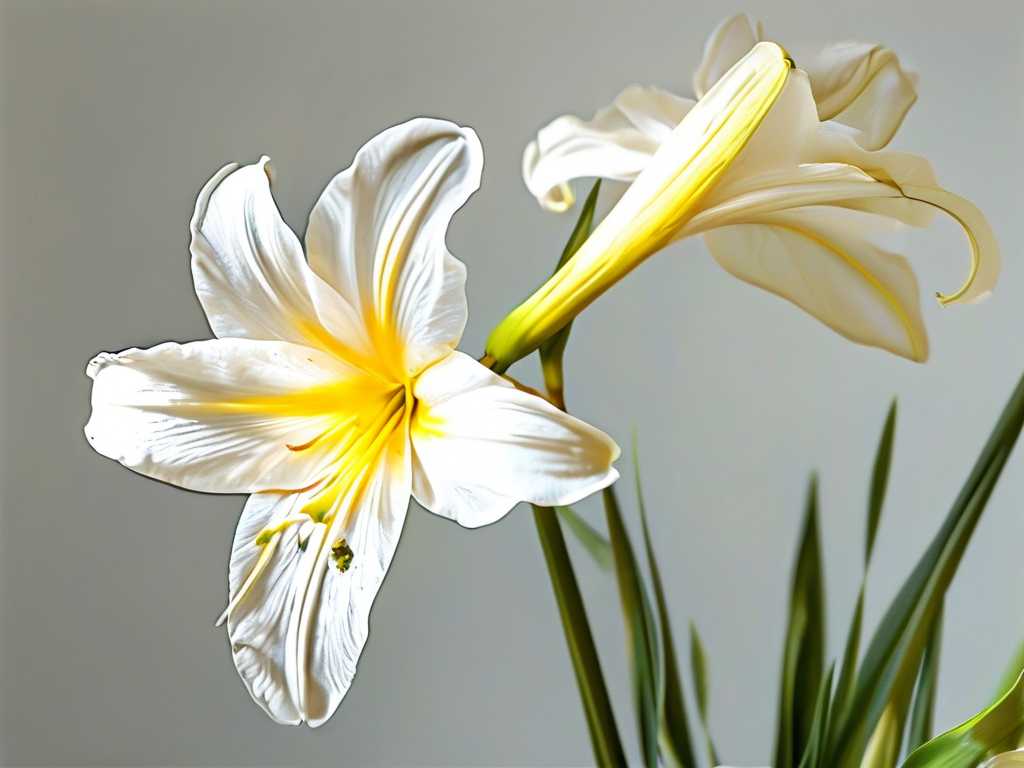
First, let’s talk basics. Most garden lilies, whether white or yellow, crave well-draining soil. Soggy roots are a death sentence. They also love sunlight—at least six hours of direct sun is ideal for strong stems and prolific flowering. According to the Royal Horticultural Society (RHS), a majority of lily species perform best in a location with their “feet in the shade and heads in the sun.” This means planting them where low-growing plants or mulch can shade the soil, keeping the bulb cool, while the flowering stem basks in full light.
Now, here’s where my observation began. I planted a classic white Lilium longiflorum (Easter Lily) and a vibrant yellow Asiatic lily in adjacent beds with similar morning-to-afternoon sun exposure.
Week 1-2: The Planting and Initial Observation Phase
My goal was to monitor establishment and early growth signs. I prepared both planting holes with ample compost for nutrients and grit for drainage, a tip reinforced by the American Horticultural Society’s (AHS) emphasis on soil preparation for perennial bulbs.
- Step 1: Depth and Spacing. I planted both bulbs about three times their height deep, roughly 6-8 inches. Spacing was 8-12 inches apart. This was identical for both.
- Step 2: The First Watering. After planting, I gave them a thorough, deep watering to settle the soil. This is crucial to eliminate air pockets.
- Observation & The First “Gotcha”: Within the first week, I noticed the yellow Asiatic lily’s stem began to show color and grow slightly faster. The white lily was more gradual. My initial worry was about nutrient deficiency, but research and consultation clarified: Asiatic lilies are often just faster to emerge and mature than some other types. No action was needed—it was a matter of understanding variety, not color. This taught me that “yellow lily” often refers to early-blooming Asiatics, while many white lilies can be later-blooming Orientals or Trumpets, affecting the growth timeline.
The Crucial Differences: Care Through the Season
This is the heart of the guide. While their sun, soil, and water fundamentals align, here’s where tailored care comes in.
Watering Practices: Consistency is Key, But Timing Matters Both lilies need consistent moisture, especially during spring growth and summer flowering. I watered when the top inch of soil felt dry. The “gotcha” I hit was during a hot, dry spell in week two. The yellow lily’s leaves showed slight stress (a subtle curl) a full day before the white lily did. The solution? I didn’t change the amount of water, but I became more proactive with checking soil moisture around the yellow lily first. It seemed slightly more sensitive to drying out, possibly because its faster growth and often lighter-colored foliage absorbed more heat. A layer of organic mulch solved this for both, conserving moisture and keeping roots cool.
Feeding for Optimal Blooms This is a major area of alignment. Both types are heavy feeders. I applied a balanced, slow-release fertilizer (like a 5-10-10) as they emerged and again as buds formed. The RHS recommends a high-potassium feed every two weeks during the growing season for container lilies, which I adapted for my in-ground plants with a bi-monthly liquid feed. The result? Both plants developed strong, sturdy stems and multiple buds. The key takeaway: feeding is non-negotiable for spectacular flowers, regardless of hue.
Pest and Disease Vigilance Here, my white lily required more attention. Aphids, those sap-sucking pests, showed a clear preference for the tender new growth of my white Lilium longiflorum. The yellow lily was relatively untouched. This isn’t a hard rule, but it’s a common observation among gardeners. My solution was a weekly check. Upon finding a small colony, I used a strong jet of water to dislodge them, followed by an application of insecticidal soap as a preventative measure, a method supported by organic gardening principles. Early intervention is everything.
Post-Bloom Care: Setting Up for Next Year The process is the same, but your goal might differ. For both:
- Deadhead Spent Blooms: I snipped off the faded flowers to prevent seed production, which drains energy from the bulb.
- Leave the Foliage: This is critical. The green stem and leaves are photosynthesis machines, rebuilding the bulb for next year. I let them turn yellow and die back naturally.
- The Division Question: If clumps become overcrowded after a few years (fewer flowers), lift and divide bulbs in late fall. This applies to both white and yellow lily bulbs.
My Two-Week Results and Long-Term Health After two weeks of monitored care, both lilies were firmly established. The yellow Asiatic was taller and had visible buds forming. The white Trumpet lily had a sturdier, though shorter, stem with promising swelling buds. The tailored attention—quicker moisture checks for the yellow lily, closer pest patrol for the white—ensured neither issue escalated. They were both on track for a healthy bloom cycle, which proved true when they flowered spectacularly weeks later.
Frequently Asked Questions
Do yellow lilies need more sun than white lilies? Not necessarily because of their color. It depends more on the species. Most common yellow Asiatic lilies thrive in full sun. Some white lilies, like certain Oriental hybrids, can appreciate light afternoon shade in very hot climates to preserve flower color and prevent scorching. Always check the specific variety’s needs.
Can I plant white and yellow lilies together? Absolutely! They make a beautiful contrast. Just ensure the planting site meets their shared core needs: excellent drainage, ample sunlight, and rich soil. Be mindful of their potential different mature heights and bloom times when planning your layout for continuous color.
Why are the leaves on my potted yellow lily turning brown? This was a scare I had with a potted specimen. Browning leaves often point to two issues: water stress or fungal disease. Check if the soil is soggy (causing root rot) or bone dry. Potted lilies dry out faster. Ensure the pot has drainage holes and you’re watering deeply when the top soil is dry. If watering seems correct, a fungal issue like botrytis might be the cause; improve air circulation and avoid wetting the foliage.
Caring for white and yellow lilies is a deeply rewarding practice. Their majestic blooms are worth every bit of attention. Remember, success lies in mastering the universal rules of lily care—deep planting, good drainage, consistent feeding—while developing an observant eye for the subtle needs of each plant in your garden. By listening to what your lilies show you, whether it’s a slight wilt or an unwelcome pest, you’ll be rewarded with seasons of breathtaking beauty. Happy gardening





