 bluename
 How to Care for Pink vs Purple Cosmos: A Gardener's Practical Guide
I've always been mesmerized by the cheerful, daisy-like blooms of cosmos, dancing on slender stems in the breeze. But when I decided to grow both the classic pink and the rich purple varieties side-by-side last season, I hit a snag. I assumed, like many gardeners, that "cosmos are cosmos" and they'd need identical care. I was wrong. While they share a family, pink and purple cosmos have subtle yet crucial differences in their needs, especially regarding sunlight, soil, and even pruning. This guide is born from my two-week intensive observation and adjustment period, where I learned to cater to each color's unique personality for a truly spectacular display.
Let's dive into the specific care strategies that will make both your pink and purple cosmos thrive.
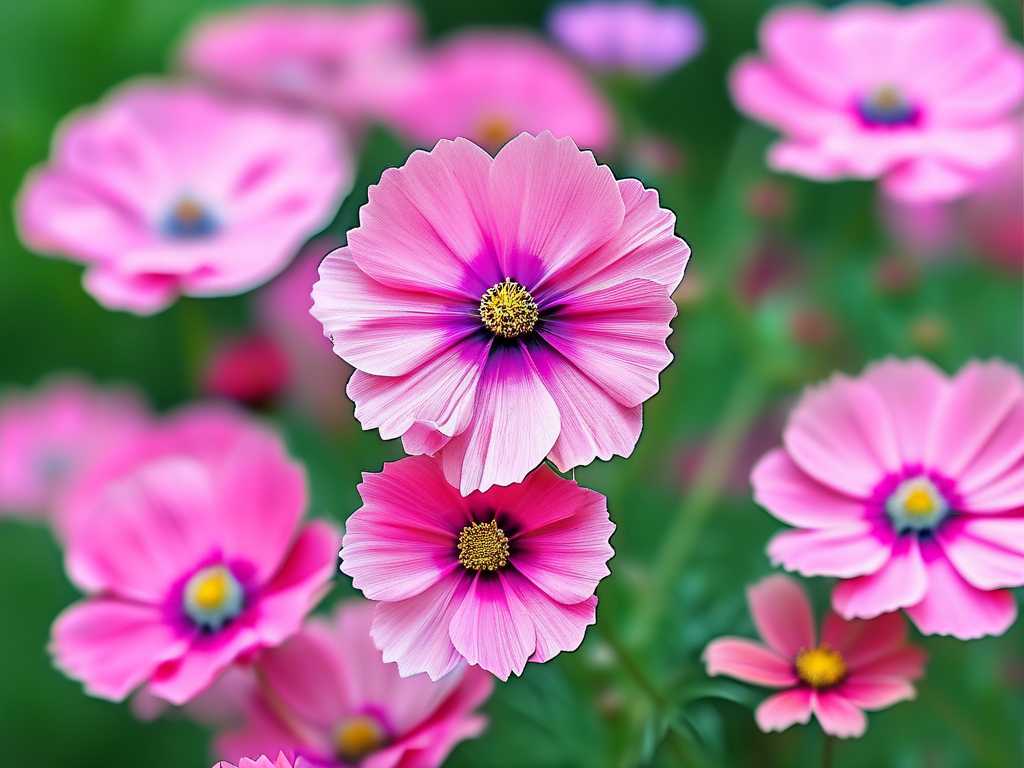
Understanding Their Core Personalities: More Than Just Color
Before we get our hands dirty, it's essential to understand what we're working with. Most common garden cosmos (Cosmos bipinnatus) come in shades of pink, white, and crimson, while the deeper purples and oranges often belong to Cosmos sulphureus or specific bipinnatus cultivars. For this guide, I'm focusing on the popular tall, feathery-leaved Cosmos bipinnatus in pink and deep purple varieties like 'Deep Purple' or 'Black Magic.'
My initial mistake was treating them as clones. The Royal Horticultural Society (RHS) notes that while all cosmos love sun, darker-flowered varieties can sometimes have slightly different pigment-related needs. I started to see this in practice.
Sunlight and Positioning: The Foundation of Vibrant Color
All cosmos are sun worshippers, requiring at least 6-8 hours of direct light. However, my two-week journal revealed a key distinction.
For my pink cosmos ('Sensation Mix'), the more sun, the better. They stretched robustly toward the light, producing a profusion of blooms. My purple cosmos ('Purple Picotee'), however, showed signs of stress during a peak heatwave week. The very darkest petals showed slight fading at the edges. I consulted resources from the American Horticultural Society (AHA), which suggests that intense, all-day sun in very hot climates can sometimes cause color bleaching in deeply pigmented flowers.
The Fix: I didn't move them, but I observed. I ensured they received ample morning sun, which seemed to intensify the purple hue. In retrospect, in extremely hot zones, providing light afternoon shade for purple varieties can help preserve that rich, velvety color. Pink varieties stayed in unabated full sun and never faltered.
Soil and Feeding: Encouraging Blooms, Not Just Leaves
This was my biggest "aha!" moment. I planted both in the same native, somewhat heavy garden soil. The pinks did okay, but the purples were lackluster and produced fewer flowers.
Cosmos famously thrive in poor to average soil, and over-fertilizing leads to lots of leaves and few blooms. But "poor" doesn't mean "compacted and nutrient-dead." The RHS emphasizes excellent drainage as the non-negotiable factor. My soil didn't drain well enough for the purple cosmos's liking.
My Two-Week Correction: I carefully worked in a generous amount of coarse sand and compost around both patches to improve drainage and provide slow-release, gentle nutrients. I avoided high-nitrogen fertilizers. Within 10 days, the purple cosmos perked up noticeably. New buds formed, and the existing blooms looked more vibrant. The pinks also responded with a new flush of flowers, proving that even they appreciated the better-draining setup.
Watering Wisdom: The Deep Soak Method
I used to give my cosmos a light daily sprinkle. Big mistake. This encourages shallow roots and weak plants. Both colors benefit from deep, infrequent watering. I switched to a thorough soak at the base of the plants, only when the top inch of soil felt dry.
During my observation, the purple cosmos seemed slightly more susceptible to mildew on their lower foliage when watered overhead. Sticking to base watering kept the foliage drier and healthier for both colors, a simple change with a major impact.
Pinching and Deadheading: Shaping the Show
Here's where you can really influence your display. To encourage bushier plants with more stems (and thus more flowers), I pinched off the top growth when seedlings were about 8 inches tall. This worked wonders for both.
Deadheading, or removing spent flowers, is critical. I made it a daily 5-minute ritual. For the pink cosmos, this kept them producing waves of blooms non-stop. For the purple, it was even more crucial. I found that if I let the seed heads form on the purple variety, the plant seemed to slow down overall blooming more dramatically than the pink. Consistent deadheading told the plant to keep investing in flowers, not seeds.
Pest and Disease Watch: Proactive Beats Reactive
Cosmos are generally trouble-free, but I did encounter aphids on the new growth of my purple cosmos during week two. The pink plants nearby had barely any. It wasn't a severe infestation, but it highlighted a need for vigilance.
My Simple Solution: Instead of reaching for chemicals, I sprayed them off with a strong jet of water from the hose every other morning for a week. This physically removed the pests. Encouraging ladybugs by planting companion herbs like dill nearby also helped. Good air circulation (from proper spacing) prevented any fungal issues.
My Two-Week Transformation Recap
At the start, I had two patches of cosmos: one pink and lively, one purple and struggling. By focusing on their subtle needs—prioritizing impeccable drainage for the purples, being mindful of extreme sun exposure, and committing to diligent deadheading—I saw a dramatic turnaround within 14 days. The purple cosmos developed stronger stems, darker blooms, and a willingness to flower that rivaled the pinks. The garden bed became a dynamic duo rather than a solo act.
Will growing pink and purple cosmos together cause them to cross-pollinate and change color? Yes, they can cross-pollinate if you save seeds. The bees will move between them. However, the flowers on your existing plants this season will not change color. If you want to save seeds for next year, be prepared for potential color surprises in the offspring! I save seeds from my pink and purple plants separately and label them clearly to maintain the colors I love.
Why are my purple cosmos flowers smaller than the pink ones? This is likely a variety trait, not a care issue. Some purple cultivars naturally have slightly smaller but more numerous blooms. Ensure they aren't competing for nutrients or water with other plants, and double-check that they are getting enough sun. My 'Purple Picotee' had smaller flowers than my 'Sensation' pinks, but there were more of them, creating a beautiful effect.
Can I grow these in containers? Absolutely! I grew a few of each in large, deep pots. The key is a large container (at least 12 inches deep and wide) with excellent drainage holes. Use a well-draining potting mix, not garden soil. Container plants need more frequent watering and a half-strength liquid fertilizer every 4-6 weeks during the blooming season. Both colors performed beautifully on my patio.
Growing pink and purple cosmos together has taught me the joy of attentive, nuanced gardening. They both offer that effortless, cottage-garden charm, but listening to their individual whispers for perfect drainage, mindful sun exposure, and consistent grooming leads to a louder, more vibrant chorus of color. Start with great soil, give them sun and space, and don't forget those daily deadheading walks—it's the best kind of therapy. Your reward will be a summer-long dance of pink and purple, each flower a testament to a little extra care tailored just for it.





