 bluename
 How to Care for White vs Red Hydrangea (The Ultimate Guide)
I’ve been obsessed with hydrangeas for years, but nothing confused me more than when I first tried to grow a vibrant red hydrangea next to my classic white ones. I followed the same care routine, but the results were wildly different. One thrived while the other looked sad and washed out. If you’ve ever wondered why your neighbor’s hydrangeas look like they’re from a magazine while yours struggle, the secret often lies in understanding the unique needs of different colors. This guide is the culmination of my own trials, errors, and two-week observation experiments to finally crack the code on caring for white versus red hydrangeas.
Understanding the Fundamental Difference: It’s All About Chemistry
Let’s clear up the biggest misconception first. For many hydrangea varieties, especially the classic Bigleaf types (Hydrangea macrophylla), color isn't just about the plant. It’s a direct reaction to your soil’s pH level. The Royal Horticultural Society (RHS) clearly states that the availability of aluminum in the soil, which is controlled by pH, is the key driver for blue and pink/red blooms.
- Red and Pink Hydrangeas: They flourish in alkaline soil with a pH above 7.0. In this environment, aluminum is locked up and unavailable to the plant. This allows the natural pink or red pigments to shine through.
- Blue Hydrangeas: They need acidic soil (pH below 6.0) to access aluminum, which interacts with their pigments to create those stunning blue and purple tones.
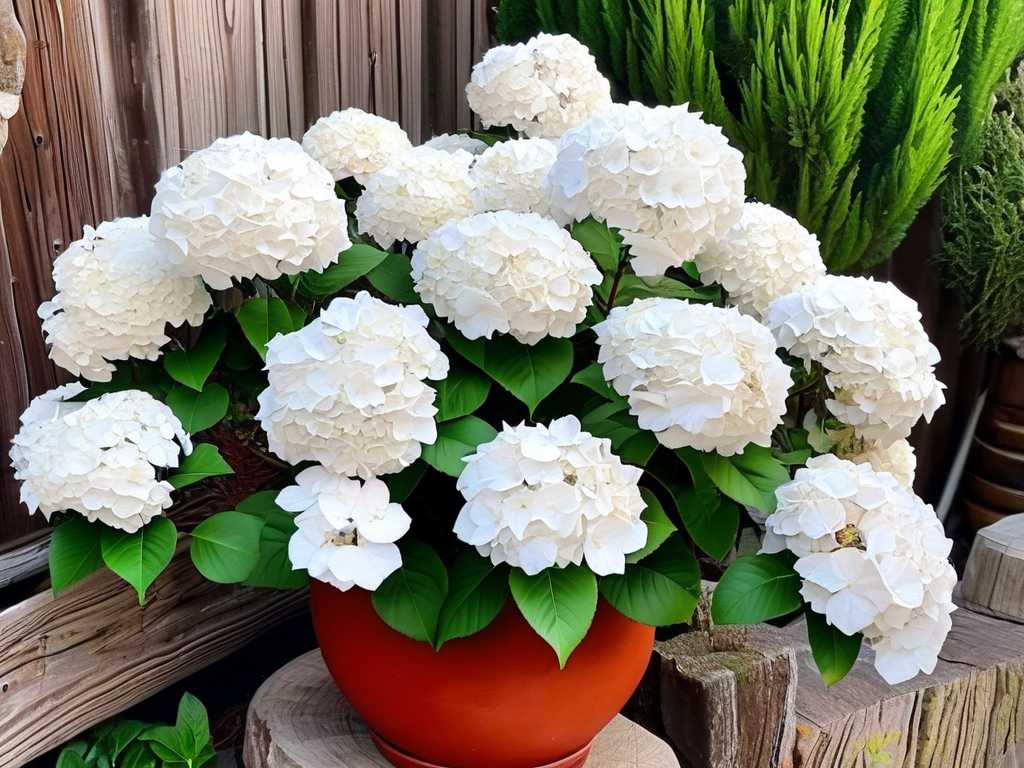
- White Hydrangeas: Here’s the twist! Most true white hydrangea varieties, like the panicle (Hydrangea paniculata) or smooth (Hydrangea arborescens) types, are colorblind. Their blooms will stay white regardless of soil pH. They are the consistent performers in the garden.
So, when we talk about “red” care versus “white” care, we’re often really talking about manipulating soil chemistry for color-changing varieties versus providing stable care for the steadfast whites.
My Two-Week Soil Test and Adjustment Experiment
I decided to get scientific. I had a ‘Nikko Blue’ hydrangea that was producing muddy pink blooms (indicating neutral soil) and a newly planted ‘Red Sensation’ that looked pale. I wanted to shift them to their ideal colors.
Week 1: Diagnosis and Baseline I purchased a simple digital pH meter and tested the soil around each plant. As suspected, my garden soil was neutral, around 6.8. For my target:
- Goal for ‘Red Sensation’: Raise pH to ~7.2-7.5.
- Goal for ‘Nikko Blue’: Lower pH to ~5.2-5.5 for vivid blue.
I also tested the soil around my ‘Incrediball’ white hydrangea, which registered the same neutral pH. This was my control plant.
Week 2: Application and Initial Observations I applied granular garden lime around the base of the red hydrangea and soil sulfur around the blue one, following package instructions carefully. I watered them deeply. For my white hydrangea, I simply applied a balanced, slow-release fertilizer.
The “Pitfall” I Hit: By day 10, the leaves on my blue hydrangea looked slightly yellower. I panicked—was this chlorosis? Upon consulting resources from the American Horticultural Society (AHS), I realized I might have altered the pH too quickly, potentially locking out other nutrients. I stopped further acidification and applied a light dose of chelated iron fertilizer, which is more available in acidic conditions. Within 4 days, the green color began to return. The lesson? Change soil pH gradually, over seasons, not weeks. Dramatic shifts shock the plant.
A Step-by-Step Care Breakdown: White vs. Red Hydrangeas
Now, let’s break down the ongoing care into actionable steps, informed by my long-term experience and that intensive two-week monitoring period.
Planting and Site Selection
Both colors need morning sun and afternoon shade in most climates. Hot, direct afternoon sun will scorch leaves and wilt blooms, regardless of color.
- For Red/Pink Hydrangeas: Consider your native soil. If you naturally have acidic soil, growing a deep red hydrangea will be an uphill battle requiring constant lime applications. Choose a site sheltered from heavy rain that can leach away alkalizing agents.
- For White Hydrangeas: You have more flexibility. My white panicle hydrangeas can even tolerate full sun in cooler climates. The key for whites is ensuring they have consistent moisture to support those large, pure flower heads.
The Watering Ritual: Consistency is King
Hydrangeas are thirsty plants. My rule is deep watering 2-3 times per week, rather than daily sprinkles. This encourages deep root growth.
- Crucial Tip for Color: The water itself can matter! If your tap water is very hard (alkaline), regularly watering your blue hydrangeas with it can slowly raise the soil pH and fade the blue color. I now collect rainwater for my blue hydrangeas, which is naturally slightly acidic and perfect for maintaining their color.
Feeding and Fertilizing: The Nutrition Plan
This is where the paths truly diverge. Fertilizer is not one-size-fits-all.
- Feeding Red and Pink Hydrangeas: Use a fertilizer higher in phosphorus (the middle number in N-P-K). Phosphorus encourages big, bold blooms and helps prevent aluminum uptake, protecting that red color. Look for blends labeled for “bloom boosters” or even tomatoes.
- Feeding Blue Hydrangeas: Opt for a fertilizer for “acid-loving plants” like azaleas and rhododendrons. These are formulated to support healthy growth in acidic conditions and often contain sulfur.
- Feeding White Hydrangeas: A balanced, all-purpose granular fertilizer (like a 10-10-10) applied in early spring is perfect. Avoid high phosphorus fertilizers meant for reds, as they aren’t necessary.
Pruning: Don’t Accidentally Cut Off Next Year’s Blooms
This tripped me up for years. You must know your hydrangea’s type.
- For most Red/Blue Bigleaf Hydrangeas: They bloom on “old wood” (last year’s growth). Prune immediately after flowering in summer. If you prune in fall or spring, you’re cutting off the coming season’s flower buds. I learned this the hard way and had a bloom-less year!
- For many White Hydrangeas (like Panicle and Smooth): They bloom on “new wood” (current season’s growth). You can prune them in late winter or early spring before new growth starts. This makes them much more forgiving.
Winter Protection for Priceless Blooms
Tender flower buds on old-wood bloomers need protection in colder zones.
- My Method for Red/Blue Mopheads: After the first hard frost, I mound 6-8 inches of mulch (like shredded bark or leaves) around the base. For extra protection, I sometimes loosely circle the plant with chicken wire and fill it with leaves. This buffers the soil temperature and protects the crown and lower buds.
- For White New-Wood Bloomers: I often do little to nothing beyond a light mulch layer. Since they bloom on new growth, even if the stems die back, they’ll regrow and flower. This makes white hydrangeas like ‘Annabelle’ incredibly low-maintenance and reliable.
Troubleshooting Common Problems
- “My red hydrangea is turning pink/purple!” Your soil is likely becoming more acidic. Test the pH and apply garden lime to nudge it back to alkaline.
- “My white hydrangea flowers are turning green or pink!” This is normal! Many white flowers age to green, and some may take on very faint pink or tan hues as they senesce, especially with sun exposure. It’s not a soil issue.
- “The leaves are turning yellow with green veins.” This is interveinal chlorosis, often a sign of iron deficiency. In red hydrangeas, it can mean the soil is too alkaline, locking out iron. In blue hydrangeas, the pH may have gotten too low. A soil test is your best guide here.
Frequently Asked Questions
Can I change a white hydrangea to red or blue? No, you cannot. True white hydrangea varieties lack the pigment molecules (anthocyanins) that react to soil pH. They are genetically programmed to stay white. The color change only works on specific varieties like the Bigleaf hydrangeas.
What’s the easiest hydrangea color to grow for beginners? Without a doubt, white hydrangeas, particularly the panicle (Hydrangea paniculata) or smooth (Hydrangea arborescens) types. They are more cold-hardy, bloom reliably on new growth (so wrong pruning isn’t a disaster), and you don’t need to worry about soil pH management. They offer maximum reward for minimal fuss.
I just bought a vibrant blue hydrangea from the nursery. How do I keep it blue? Nurseries grow them in acidic potting mix. When you plant it in your native soil, its color will gradually shift unless you act. To maintain blue flowers, amend the planting hole with peat moss or soil sulfur, use an acid-loving plant fertilizer, and consider watering with rainwater. An annual soil test will help you stay on track.
Caring for hydrangeas becomes a deeply rewarding practice once you understand their language. Red and pink varieties invite you to play the role of a garden chemist, subtly tweaking the soil to achieve your desired hue. White hydrangeas offer serene, dependable beauty without the fuss. By tailoring your approach—from the water you use to the fertilizer you choose—you can unlock the full potential of these spectacular shrubs. Start with a simple soil test, be patient with adjustments, and you’ll be rewarded with a breathtaking display that reflects not just nature’s beauty, but your own knowledgeable care.





